Architectural
Styles
Explore architectural style directions across international movements, regional contemporary identities, interior design categories, and material moodboards.
Global style guides curated as visual references for designers and AI rendering workflows. This first review batch focuses on a tightly related classical lineage before the wider catalog is published.
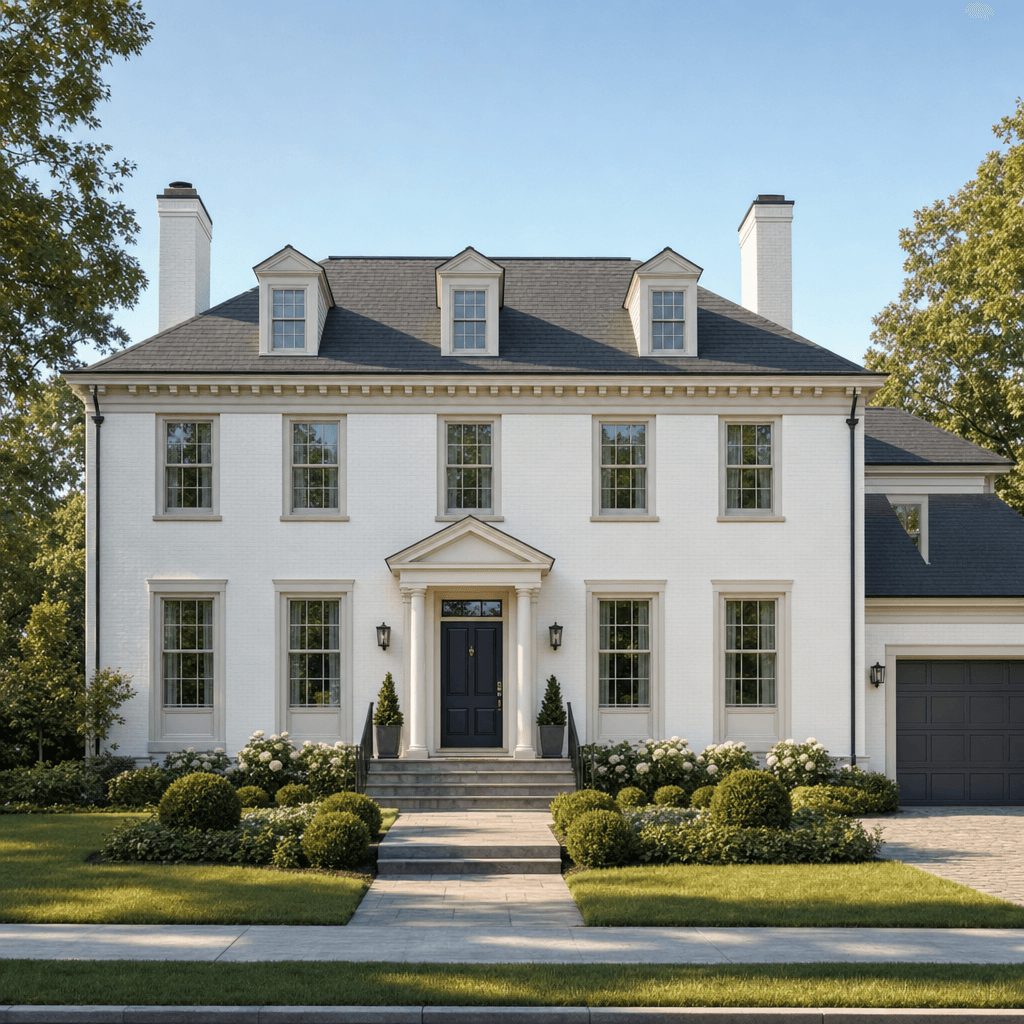
Simplified Classical
Western architectural tradition - primarily Anglo-American contexts. / Classical lineage
A calm residential classicism built from symmetry, moderate pitched roofs, evenly spaced openings, and a dignified central entrance. The style keeps the order of classical domestic architecture while stripping away heavy ornament and literal historical reproduction.
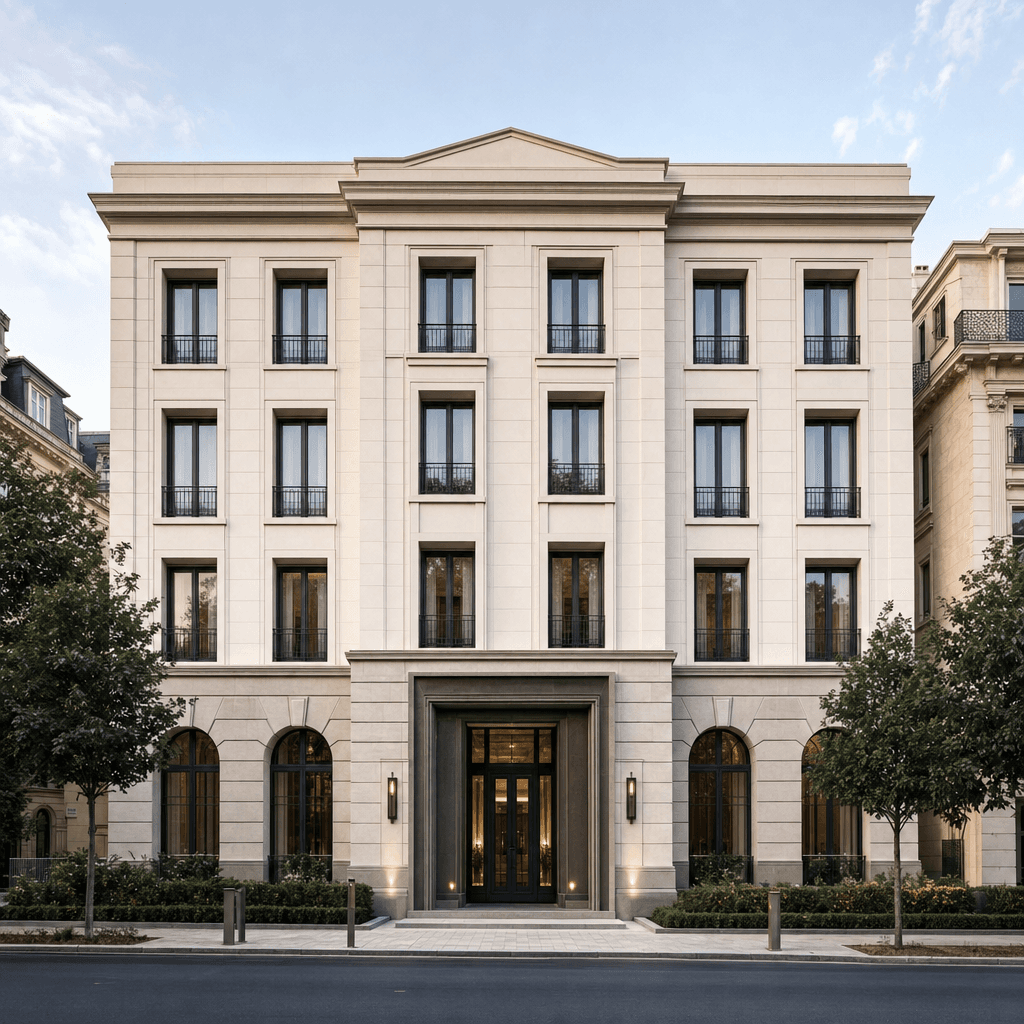
Neoclassical Contemporary
Western architectural tradition - Europe and the Americas, particularly in urban and... / Classical lineage
A cleaner civic-minded classicism that preserves base-middle-crown order, formal symmetry, and measured bays while stripping away decorative excess. The result is pale, composed, and authoritative without reading as a period replica.
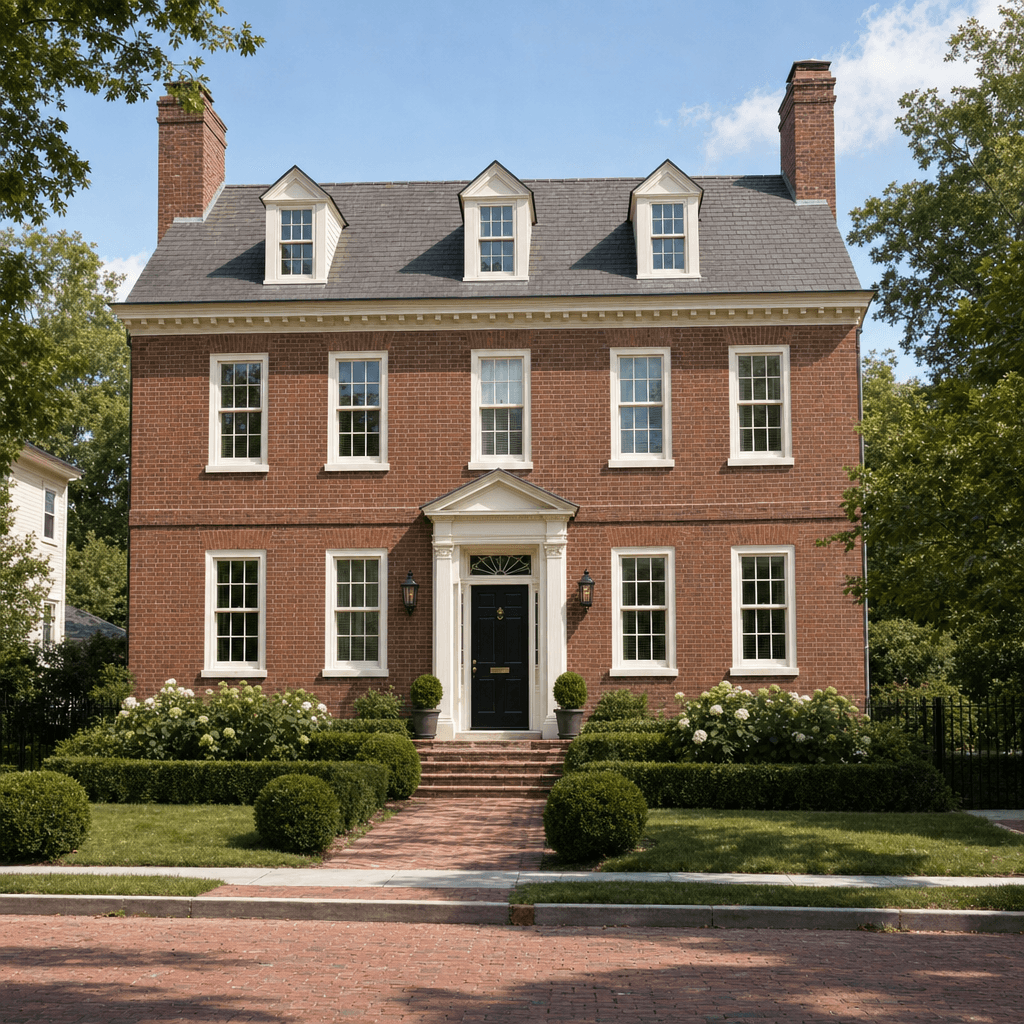
Georgian Colonial Revival
Anglo-American architectural tradition - originating in 18th-century Britain and its... / Classical lineage
A disciplined domestic classicism defined by centered entrances, repeated window bays, moderate pitched roofs, and chimney-balanced silhouettes. It translates Georgian order into a warm revival language that feels stable, familiar, and highly livable.
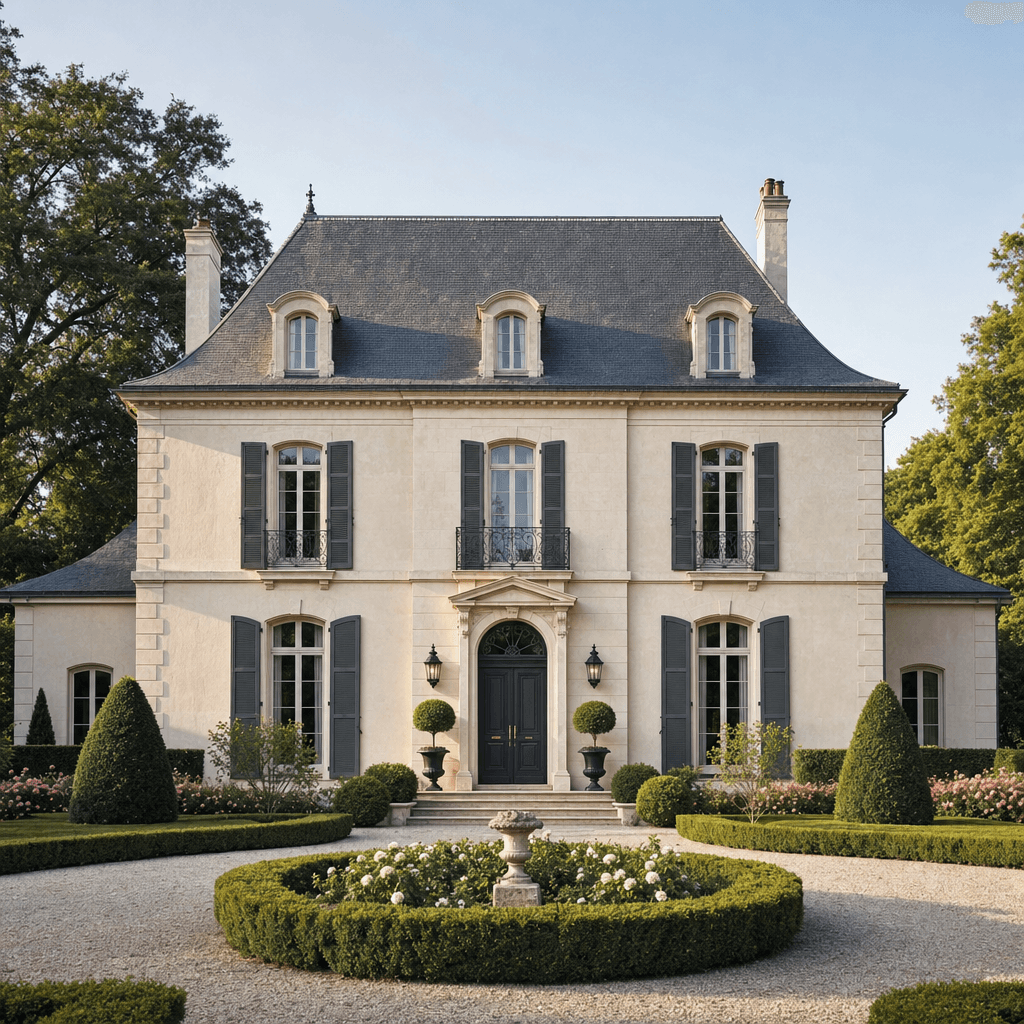
French Provincial Revival
French countryside tradition - adapted globally in suburban and estate settings where... / Classical lineage
Limestone, pale stucco, steep hipped roofs, dormers, shutters, and elegant garden-facing domestic composition. Elegant, composed, and formally beautiful.
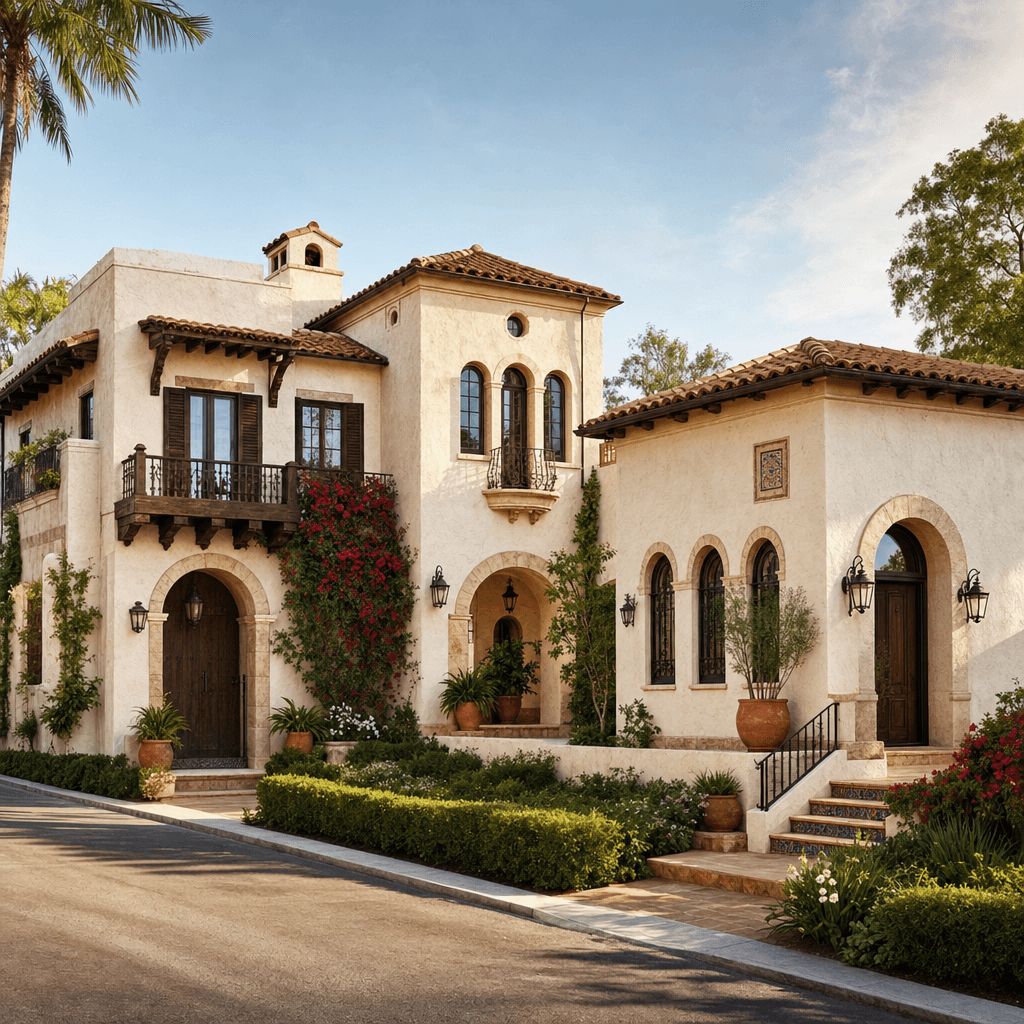
Mediterranean Revival
Mediterranean-influenced regions - coastal California, Florida, Texas, and similar... / Classical lineage
Lime stucco, terracotta tile roofs, stone bases, shutters, and sun-aged Mediterranean character. Warm, romantic, and sun-kissed.
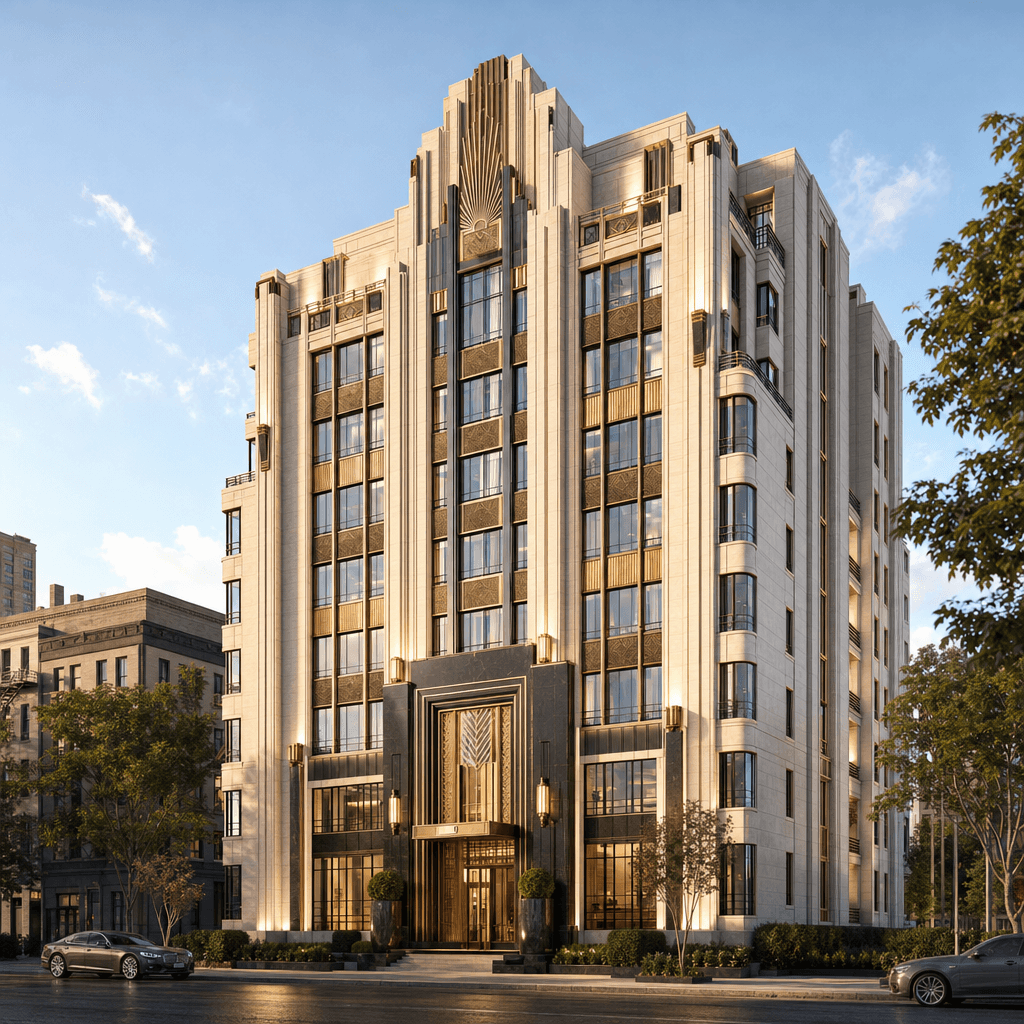
Art Deco Revival
Global urban centers - particularly resonant in cities with Art Deco heritage (Miami,... / Classical lineage
Stepped parapets, grouped vertical bays, pale stone, metallic trim, and luxurious urban Deco clarity. Glamorous, confident, and metropolitan.
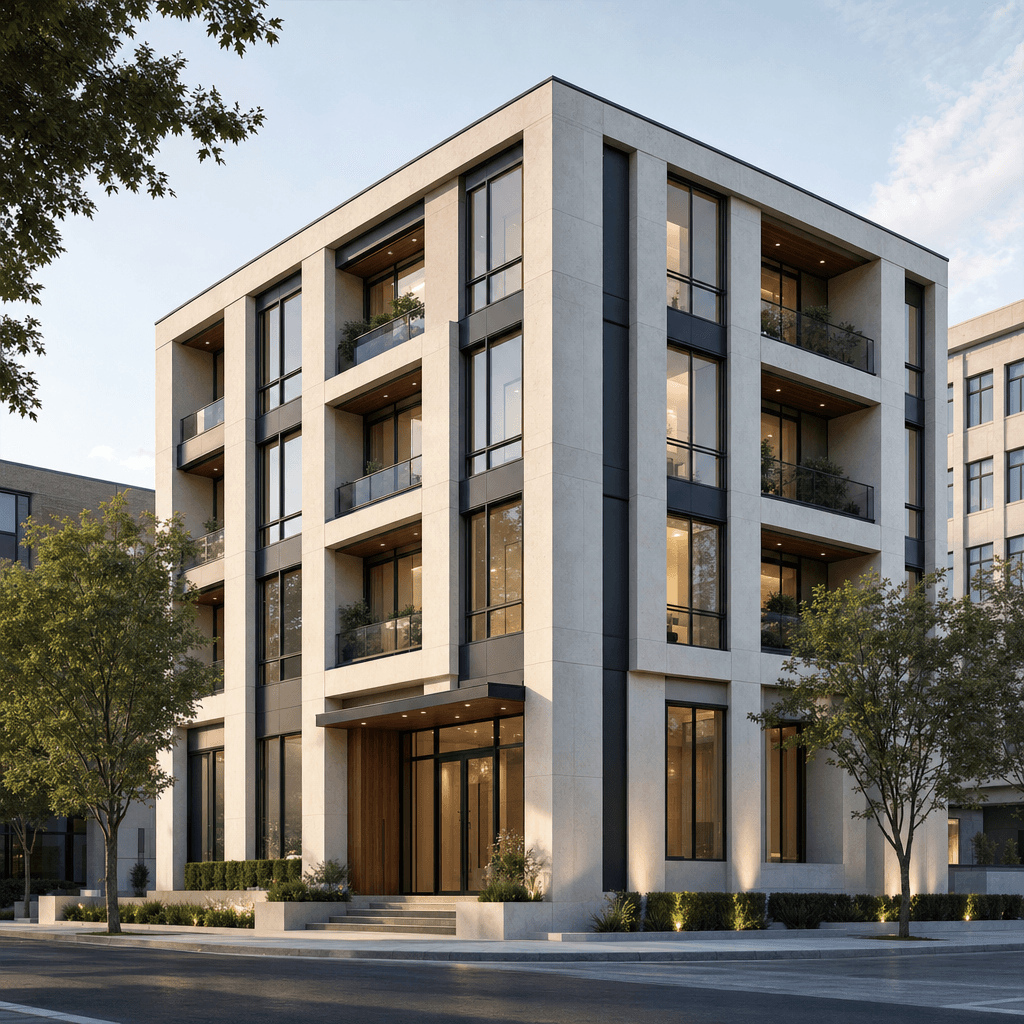
Contemporary Modern
Global / International - adaptable to any climate zone and urban context, with particular... / Contemporary modern
Clean rectilinear volumes, restrained stone-plaster-concrete palette, thin dark frames, and crisp minimal rooflines. Calm, composed, and intellectually rigorous.
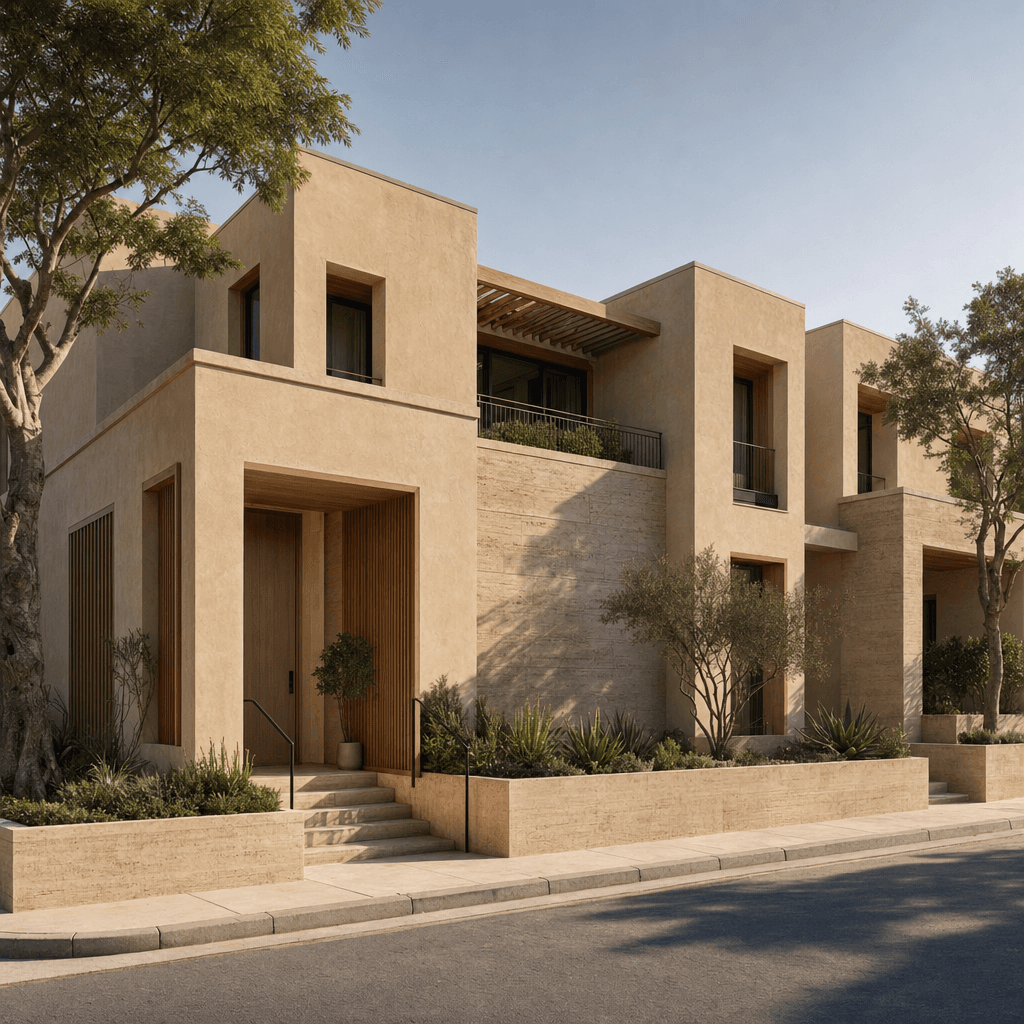
Warm Minimalist
Global - particularly resonant in temperate, Mediterranean, and desert-edge climates... / Contemporary modern
Calm solid volumes, tactile plaster and travertine, pale oak accents, and quiet deep-set openings. Quiet, grounded, and materially rich without being decorative.
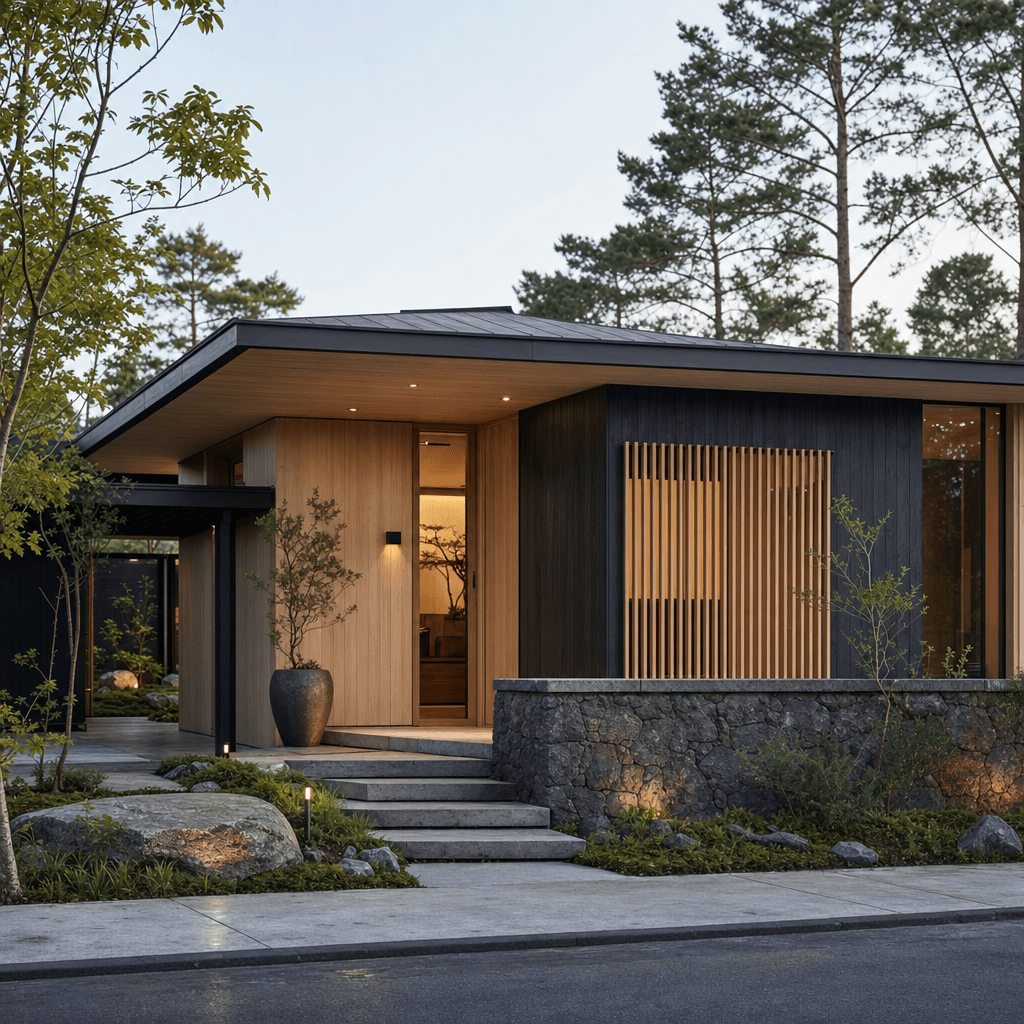
Japandi
Hybrid - fusing Japanese aesthetic philosophy with Scandinavian functional tradition. / Contemporary modern
Light oak, charred cedar, stone, and matte black metal with low roofs and serene minimal composition. Quiet, contemplative, and materially warm.
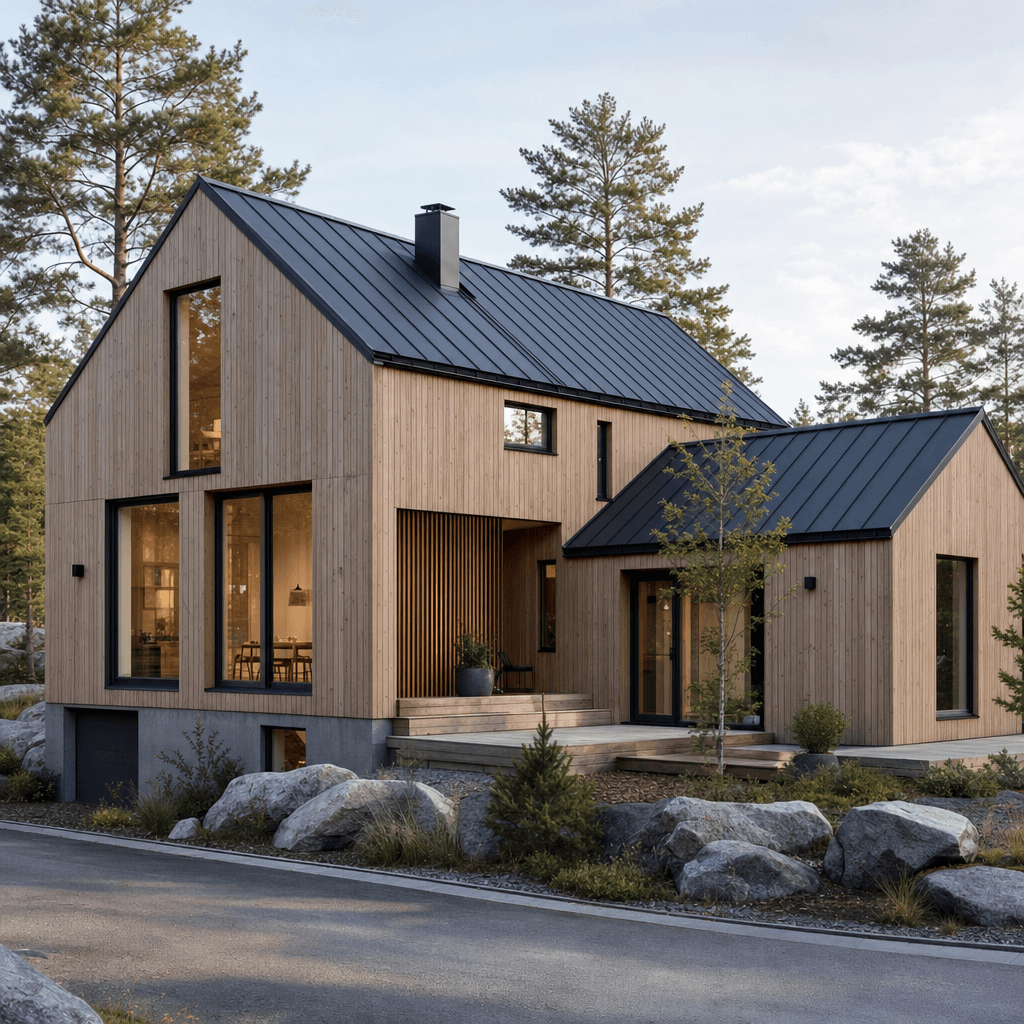
Scandinavian Contemporary
Nordic region - Sweden, Norway, Denmark, Finland, and Iceland. / Contemporary modern
Simple Nordic gabled volumes, pale timber, dark metal roofs, and practical climate-ready detailing. Straightforward, democratic, and quietly elegant.
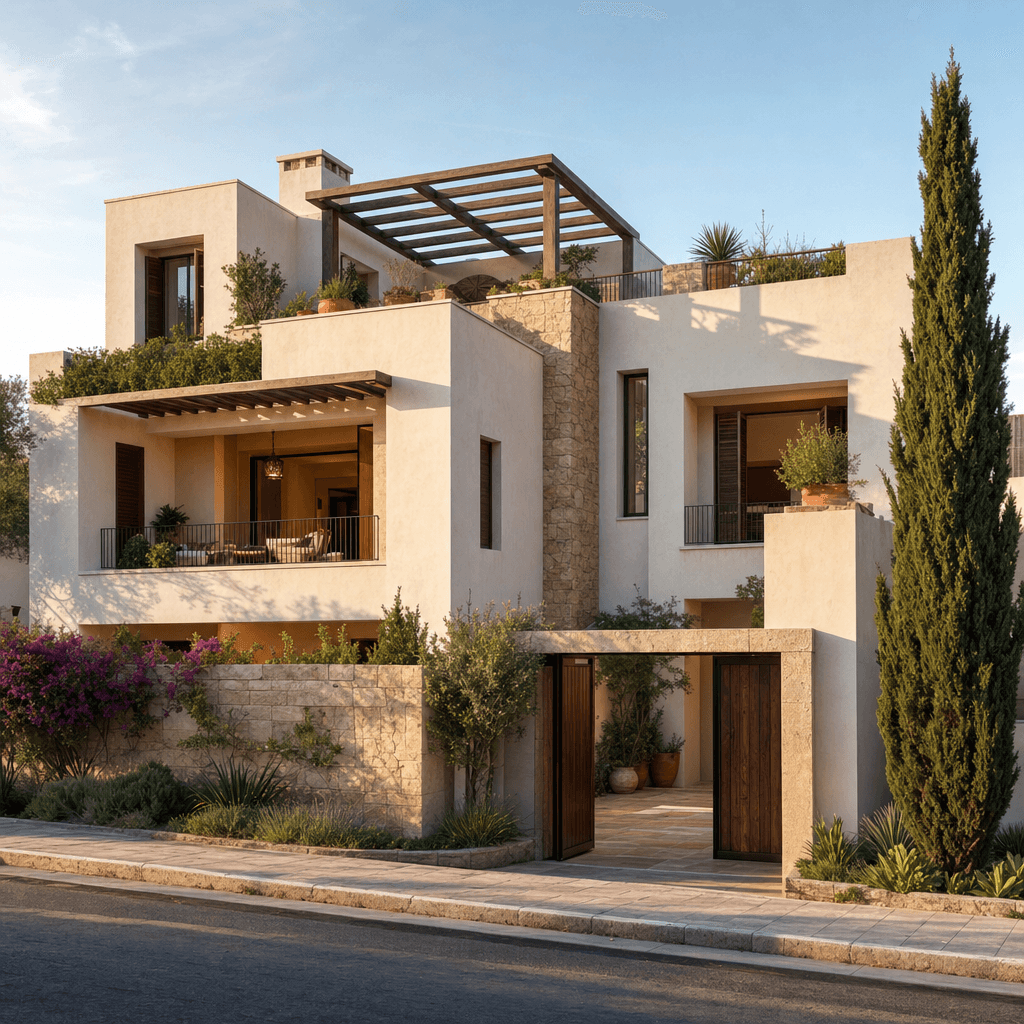
Mediterranean Contemporary
Mediterranean basin and similar hot-dry summer climates - southern Europe, North Africa,... / Contemporary modern
Thick sun-shaped volumes, hot-dry palette, courtyards, terraces, and tactile Mediterranean surfaces. Grounded, sun-wise, and materially rich.
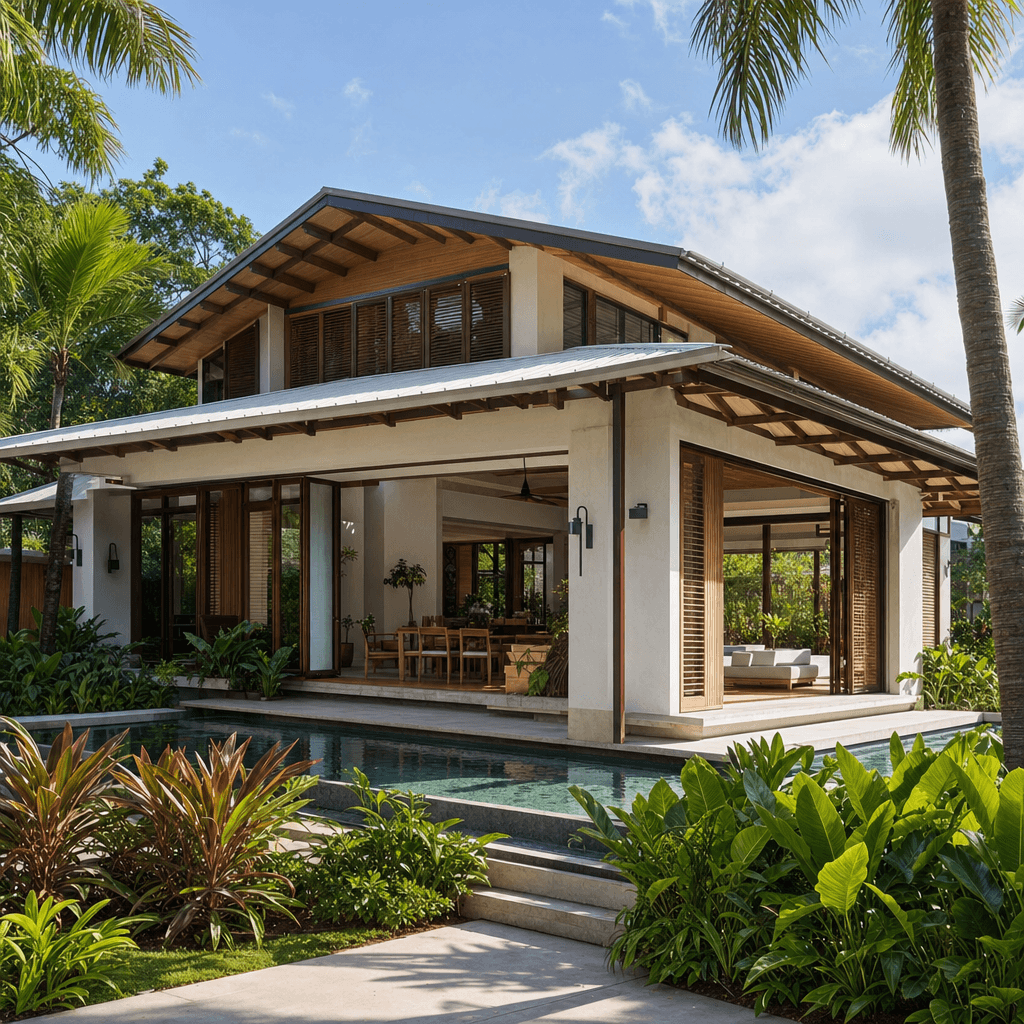
Tropical Modern
Tropical and subtropical climate zones - Southeast Asia, northern Australia, Pacific... / Contemporary modern
Open layered tropical volumes, shaded glazing, humid-climate materials, deep overhangs, and breezy indoor-outdoor edges. Generous, airy, and climate-responsive.
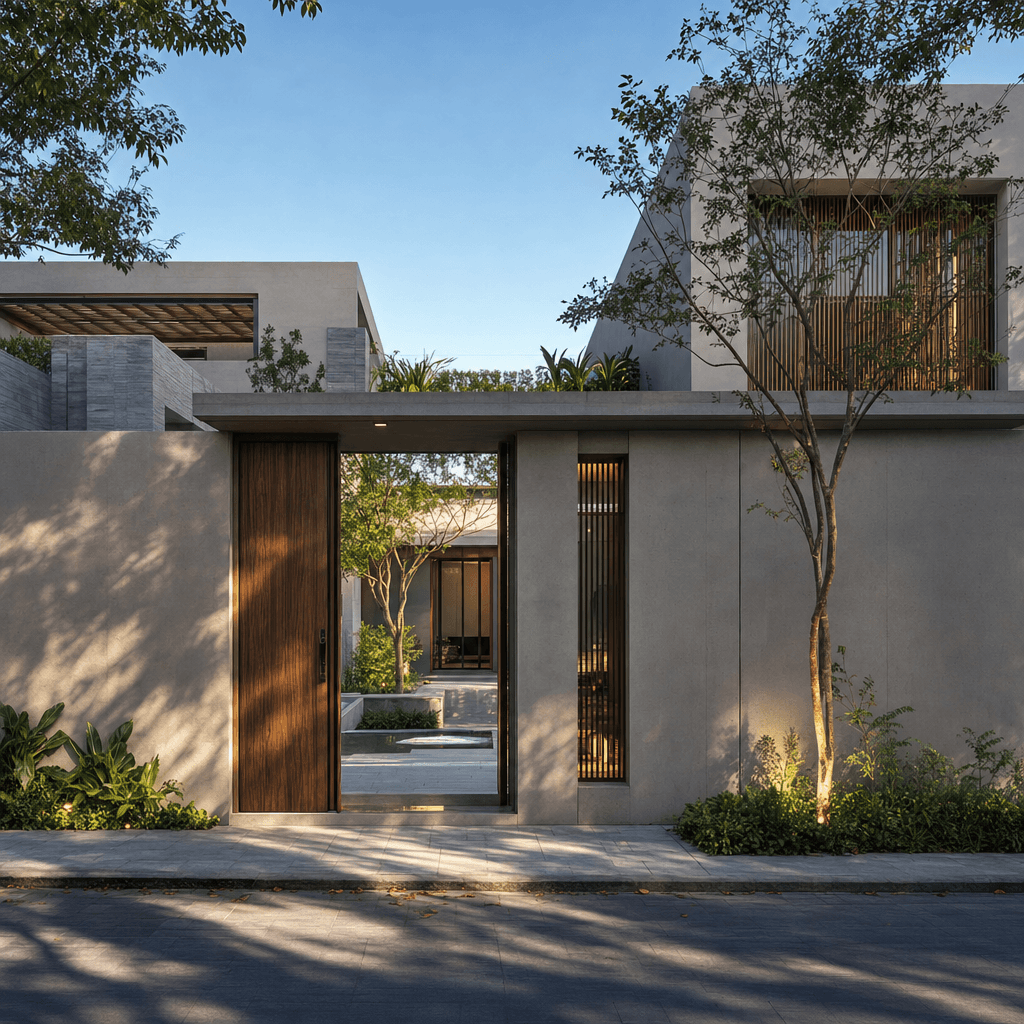
Courtyard House Contemporary
Universal courtyard tradition - found across Chinese siheyuan, Roman domus, Islamic... / Asian contemporary
Courtyards become the main organizer, with private outer walls and open courtyard-facing living edges. Inward-looking, serene, and spatially rich.
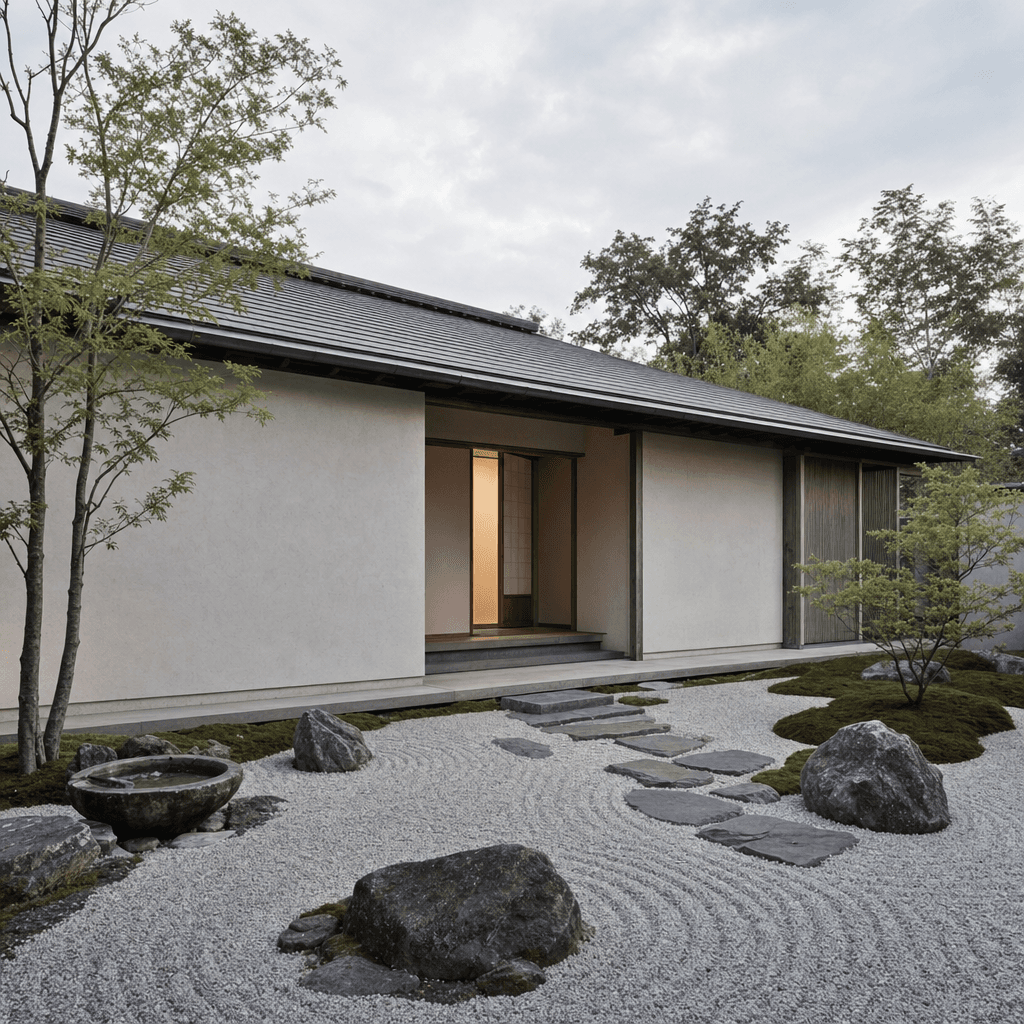
Zen Architecture
Rooted in Japanese Zen Buddhist tradition - adapted globally as an architectural philosop... / Asian contemporary
Lime plaster, weathered timber, stone, gravel courts, and the calmest possible roof expression. Still, austere, and deeply peaceful.
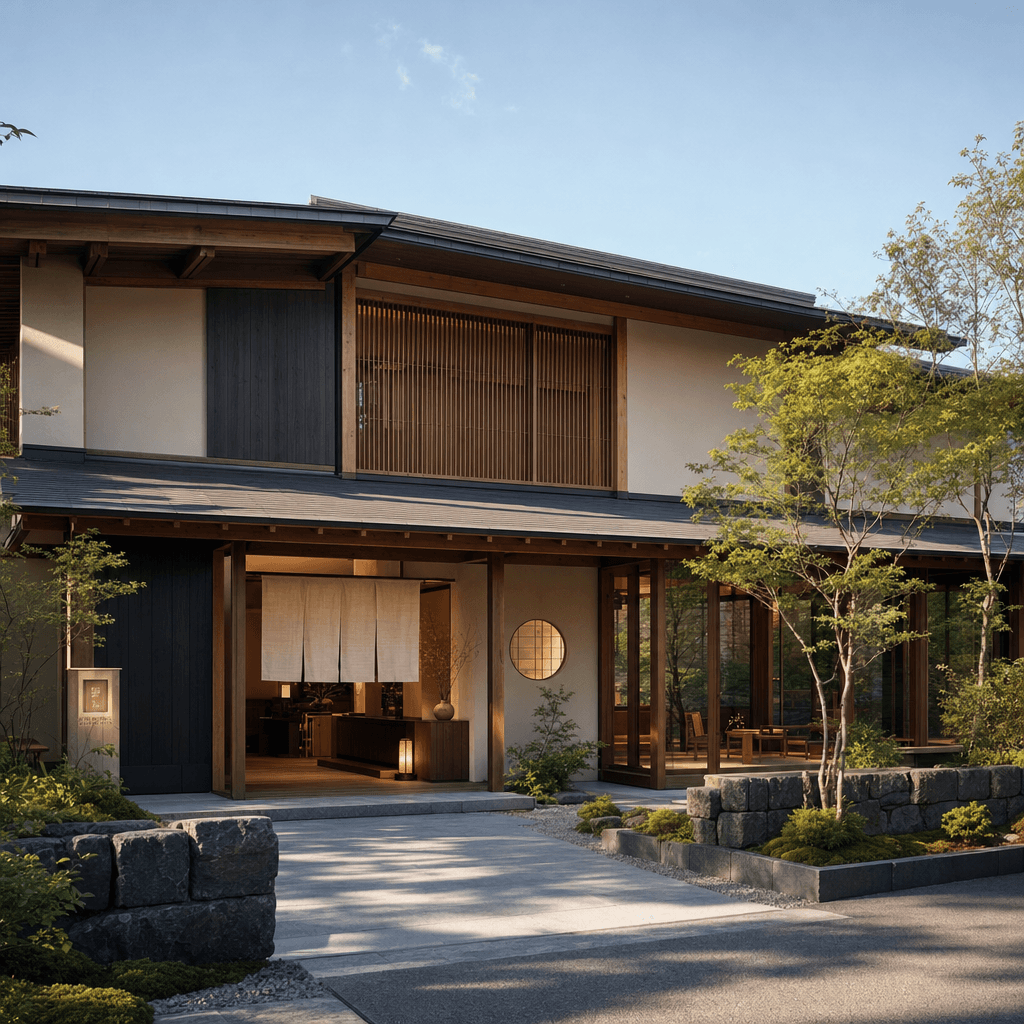
Japanese Contemporary
Japan and globally adapted - particularly resonant in contexts valuing minimalism,... / Asian contemporary
Cedar, cypress, concrete, stone, and charcoal frames with low roofs and quiet tactile minimalism. Quiet, precise, and spiritually resonant.
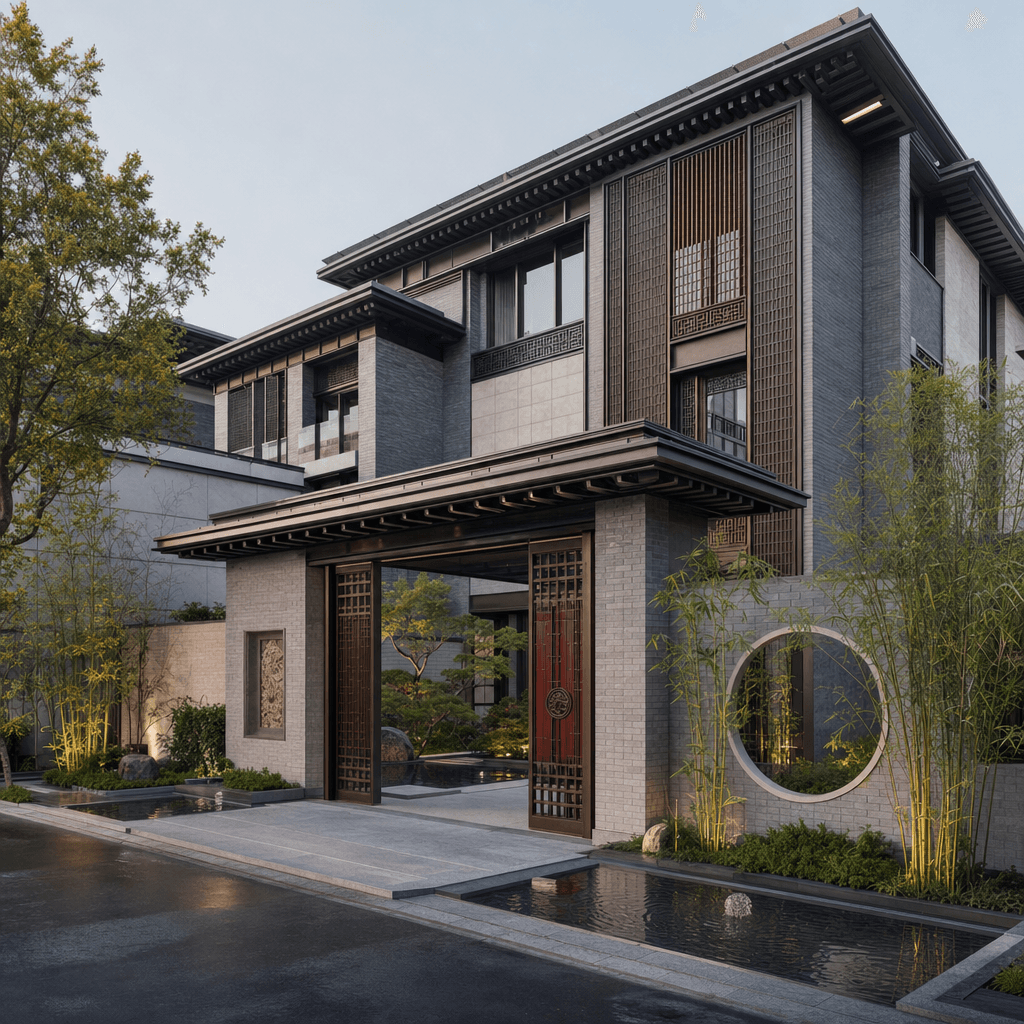
Chinese Contemporary
China and culturally Chinese contexts globally - adapted for urban, suburban, and... / Asian contemporary
Grey brick, stone, timber screens, courts, layered walls, and abstracted contemporary cultural references. Culturally resonant, spatially sophisticated, and materially honest.
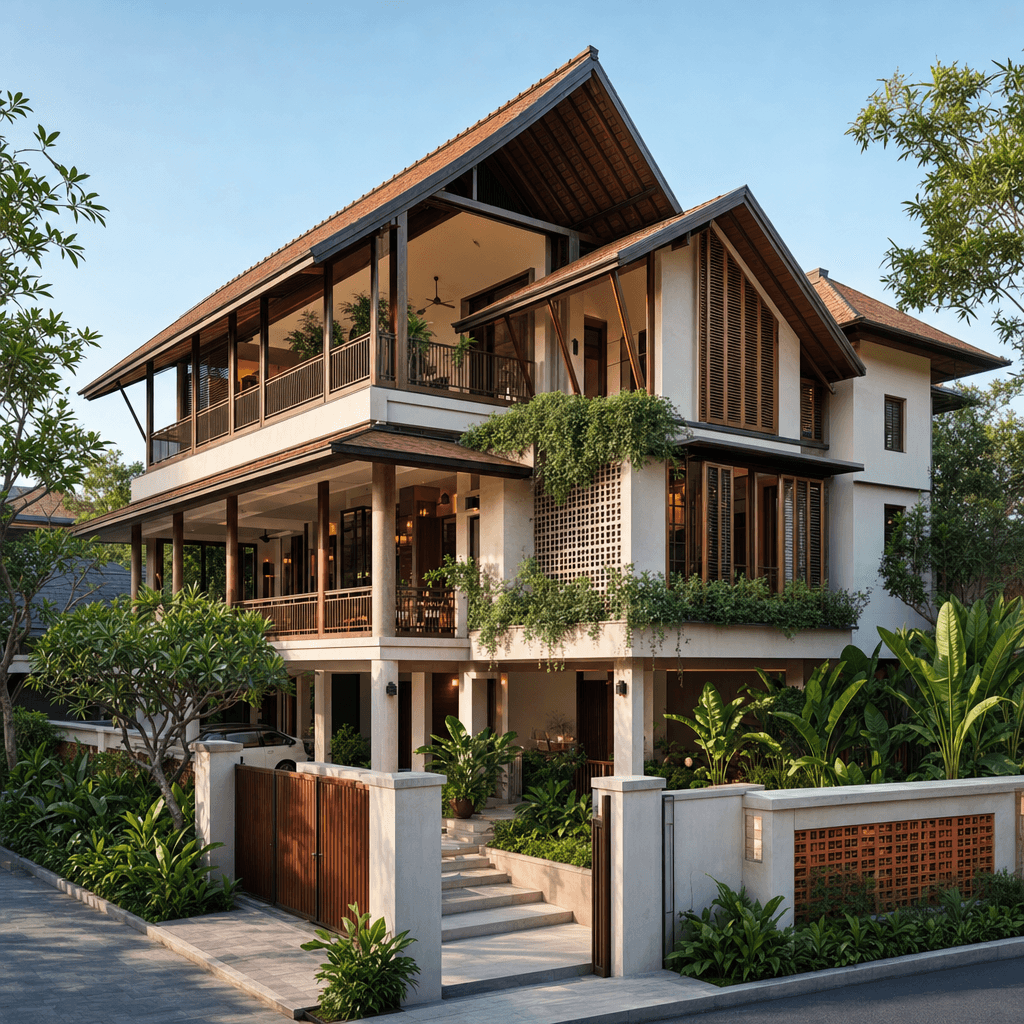
Southeast Asian Contemporary
Southeast Asia - Thailand, Vietnam, Malaysia, Singapore, Philippines, Cambodia, Laos,... / Asian contemporary
Textured plaster, hardwood, stone, verandas, monsoon-ready roofs, and shaded planted edges. Climate-responsive, materially warm, and spatially generous.
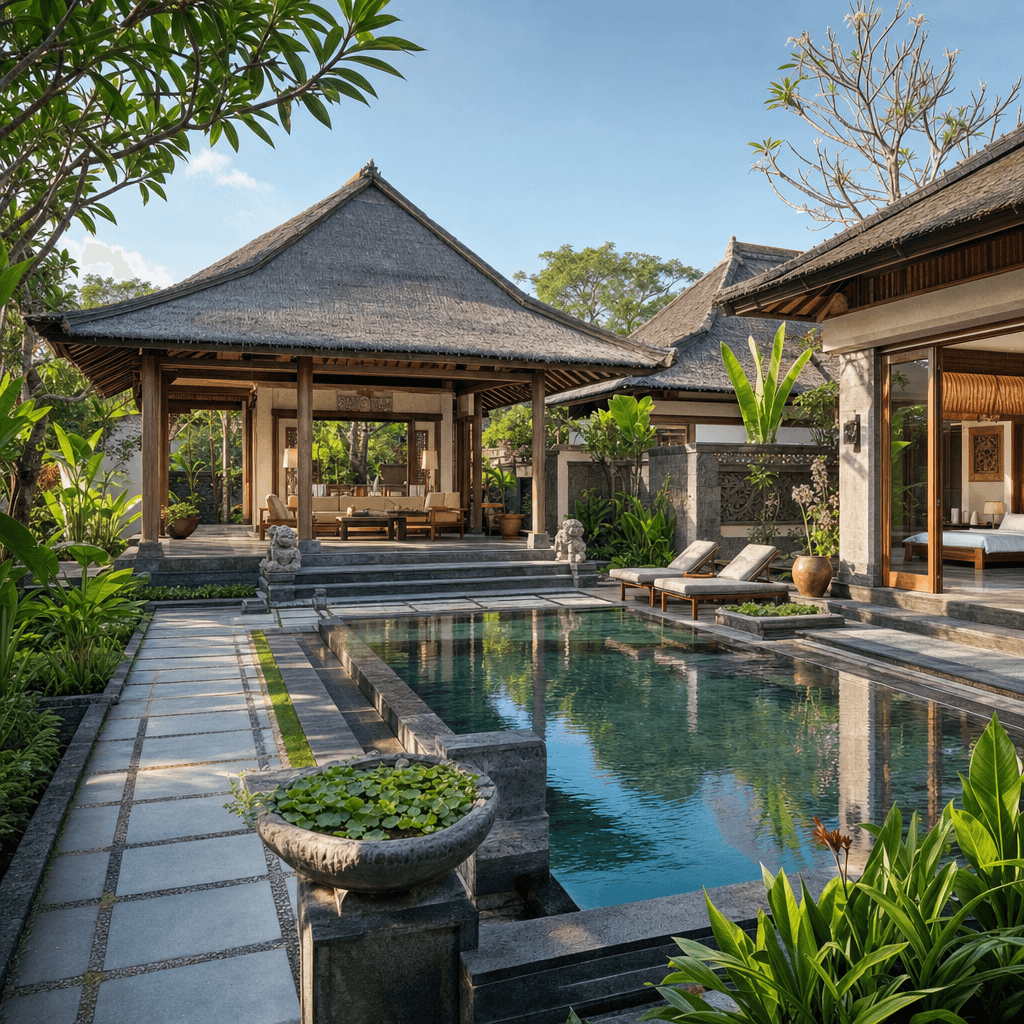
Balinese Tropical
Bali, Indonesia - and globally adapted in tropical resort, residential, and hospitality... / Asian contemporary
Volcanic stone, teak, tropical roofs, pavilion compounds, deep eaves, and humid-climate craft. Serene, crafted, and deeply connected to landscape.
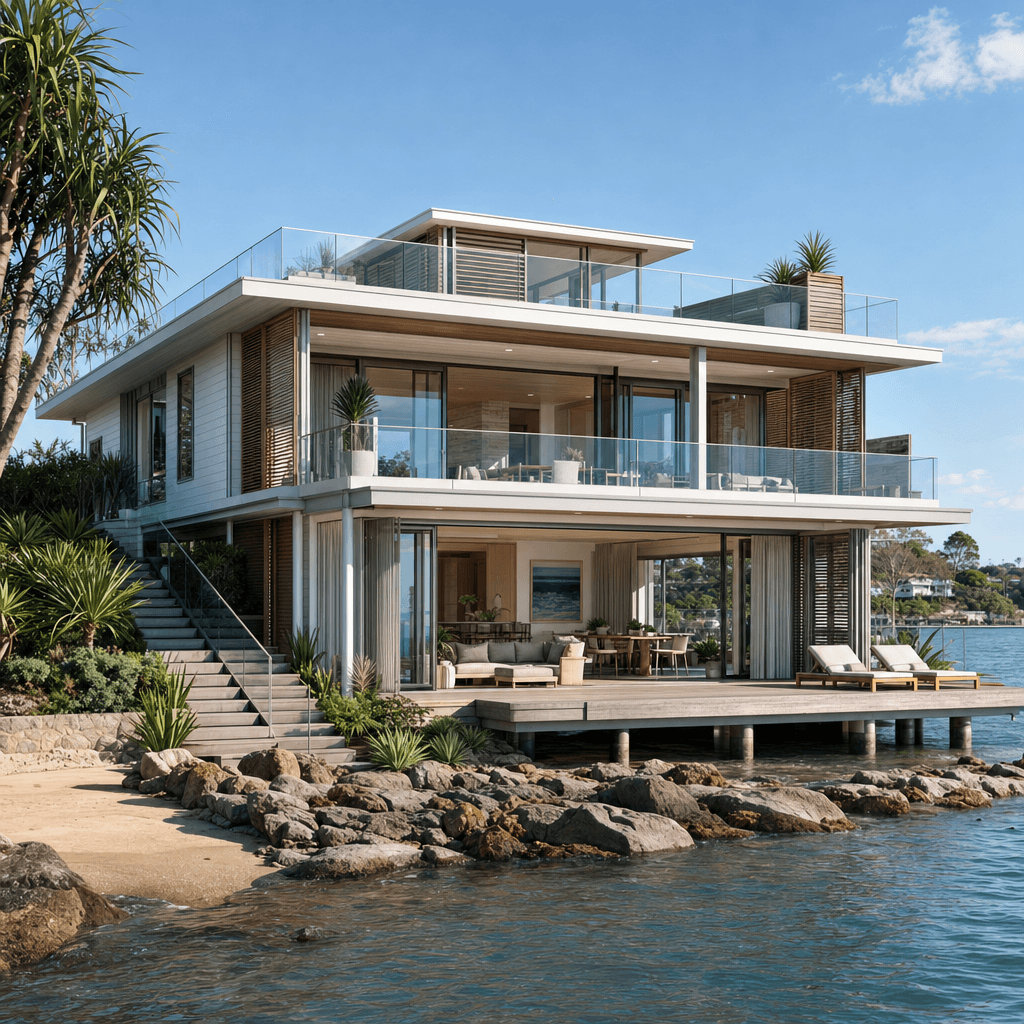
Coastal Contemporary
Coastal and waterfront settings globally - oceanfront, bay, harbor, and lakeside location... / Regional contemporary
Horizontal breezy forms, marine-durable materials, open views, and relaxed coastal precision. Relaxed yet refined - the architecture captures the ease of coastal living without sacrificing architectural rigor.
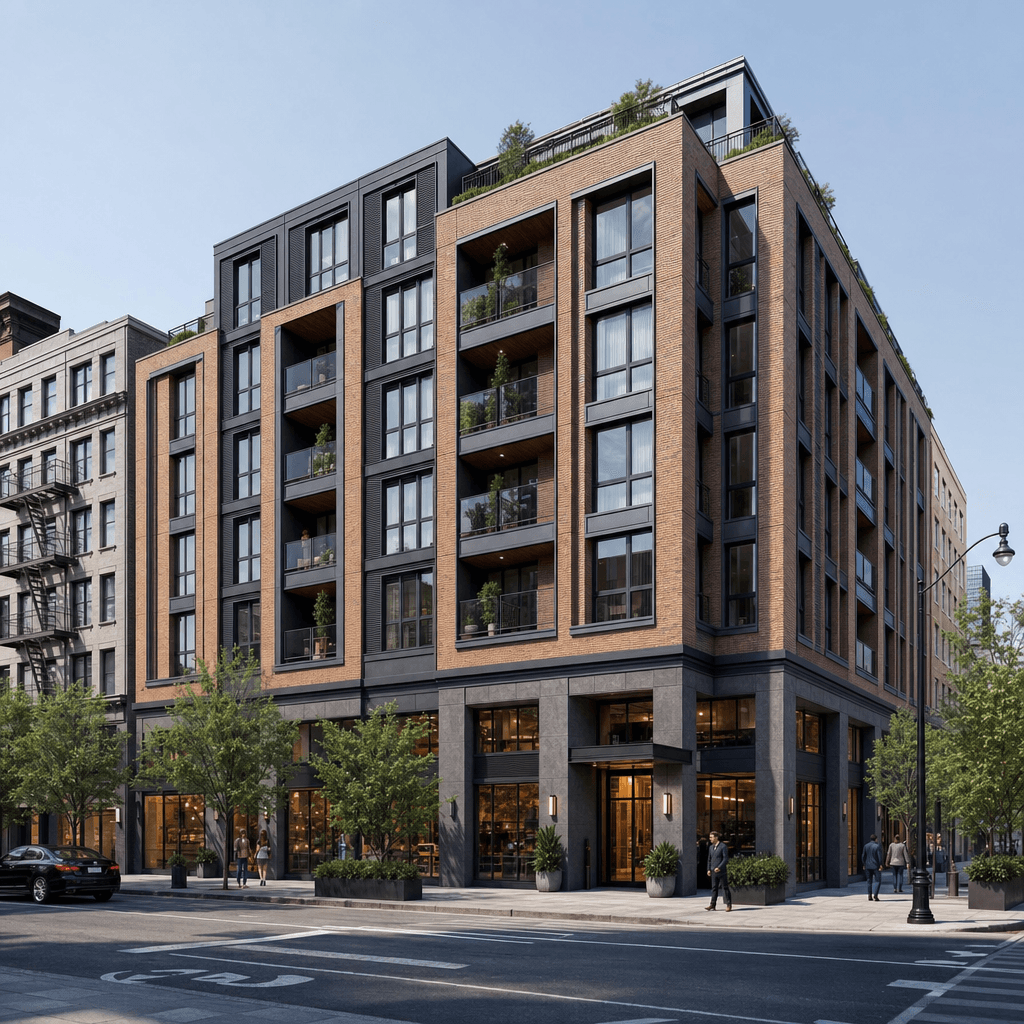
Urban Contemporary
Dense urban contexts globally - city centers, transit corridors, mixed-use districts,... / Regional contemporary
Compact stacked urban volumes, durable metropolitan materials, and efficient city-facing facade logic. Confident, metropolitan, and street-smart.
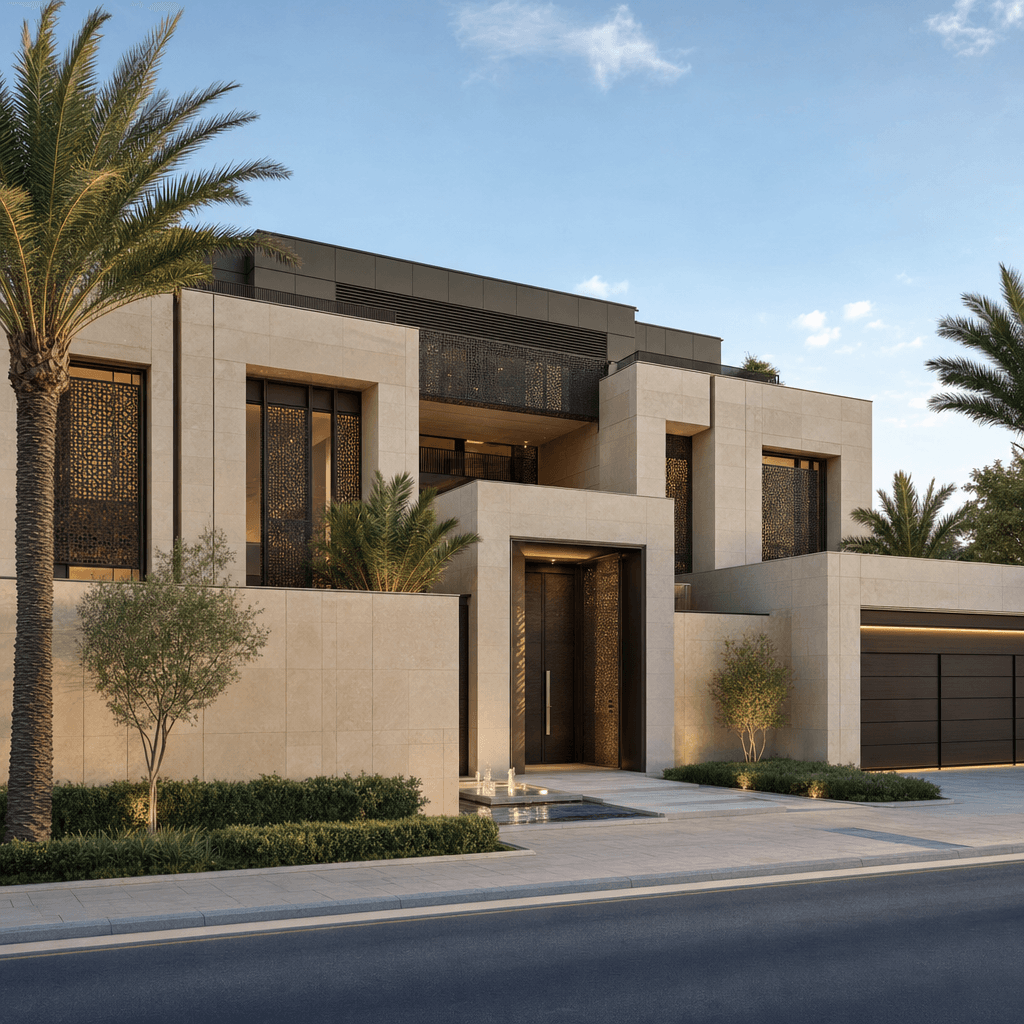
Gulf Contemporary
Arabian Gulf region - UAE, Qatar, Kuwait, Bahrain, Oman, and eastern Saudi Arabia. / Regional contemporary
Premium hot-climate palette, inward-facing luxury, strong privacy boundaries, and composed modern massing. Composed, private, and materially luxurious without ostentation.
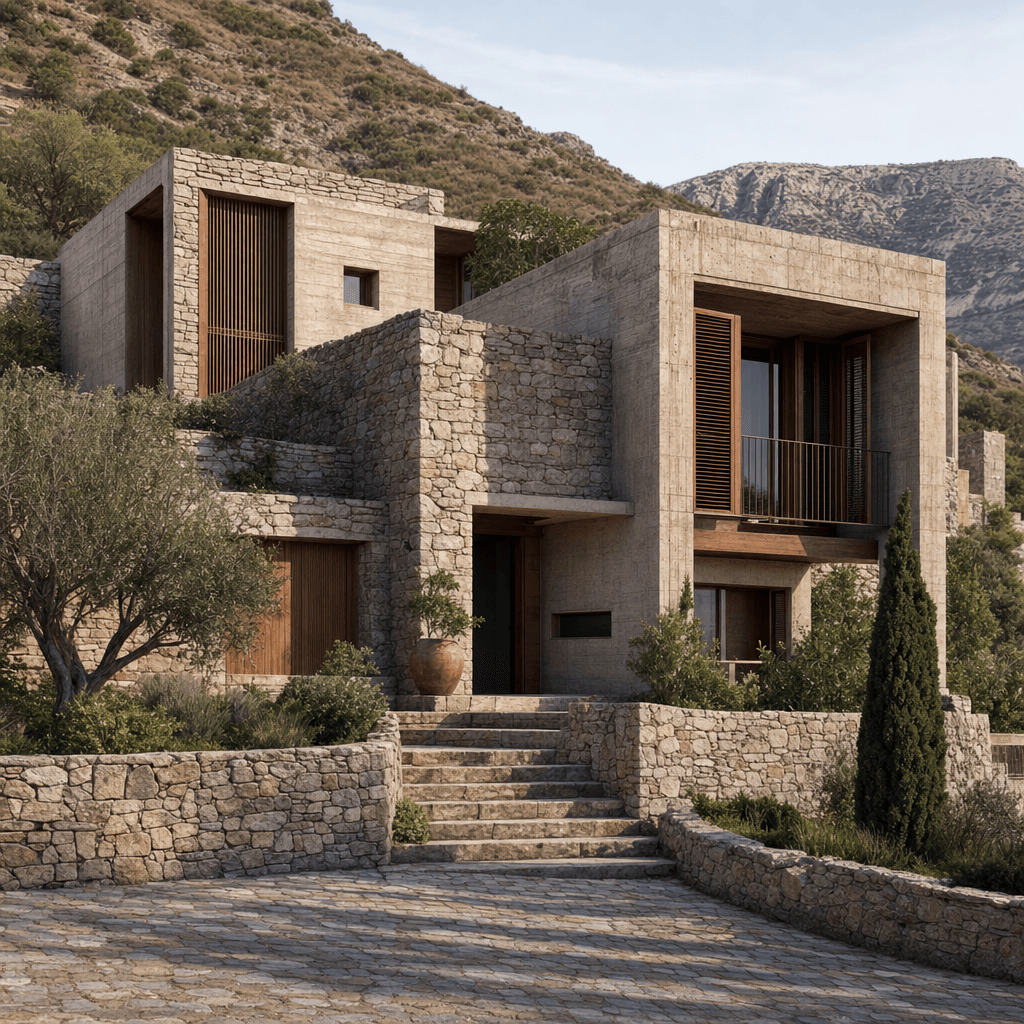
Critical Regionalism
Place-specific - each project responds uniquely to its local topography, climate,... / Regional contemporary
Place-specific materials, tectonic clarity, topography-driven form, and strong climate response. Grounded, tectonic, and contextually resonant.
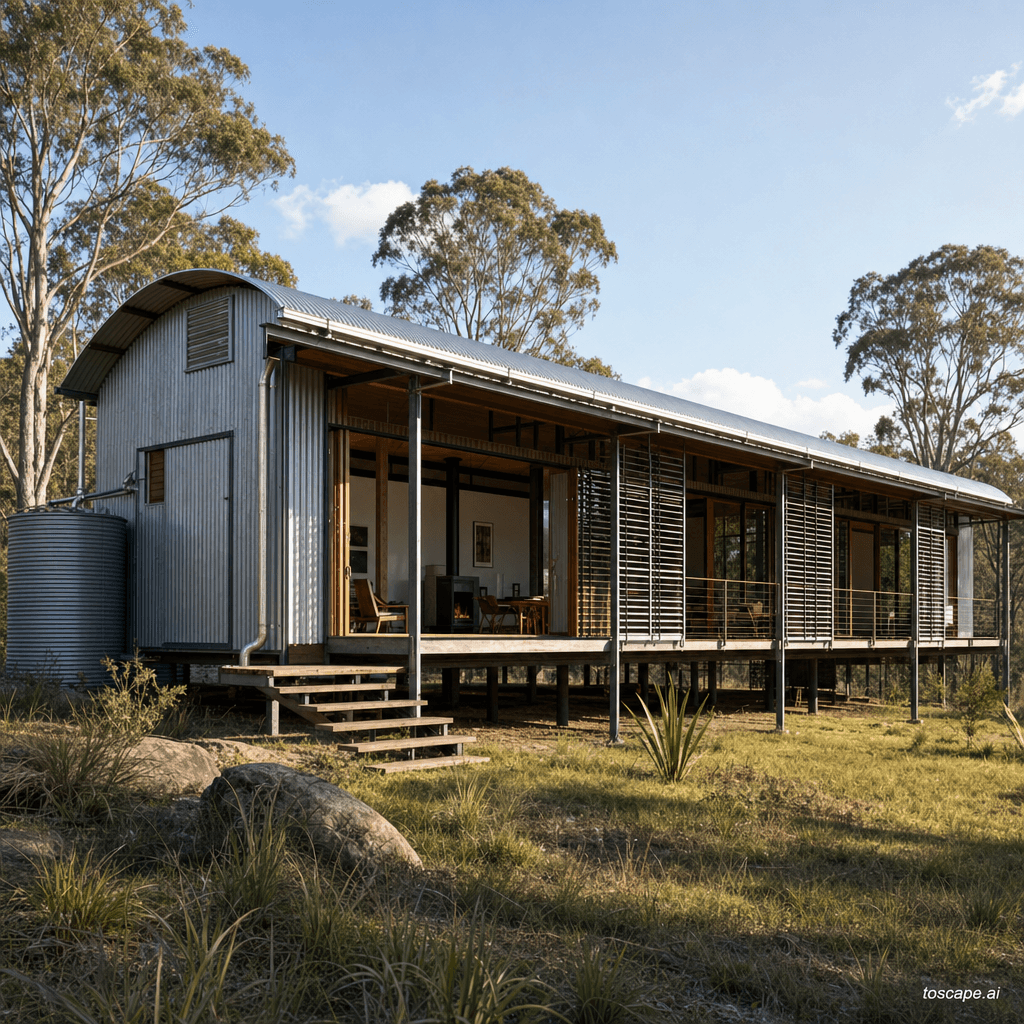
AUSTRALIAN CONTEMPORARY VERNACULAR
Australia (Glenn Murcutt, Richard Leplastrier, Troppo Architects, 1970s-present); Core... / Regional contemporary
Corrugated galvanized iron as roof and wall - lightweight linear pavilion forms - buildings that float above the ground on minimal piers - deep verandas and adjustable shading screens - northern orientation for passive solar - cross-ventilation through the long axis - materials...
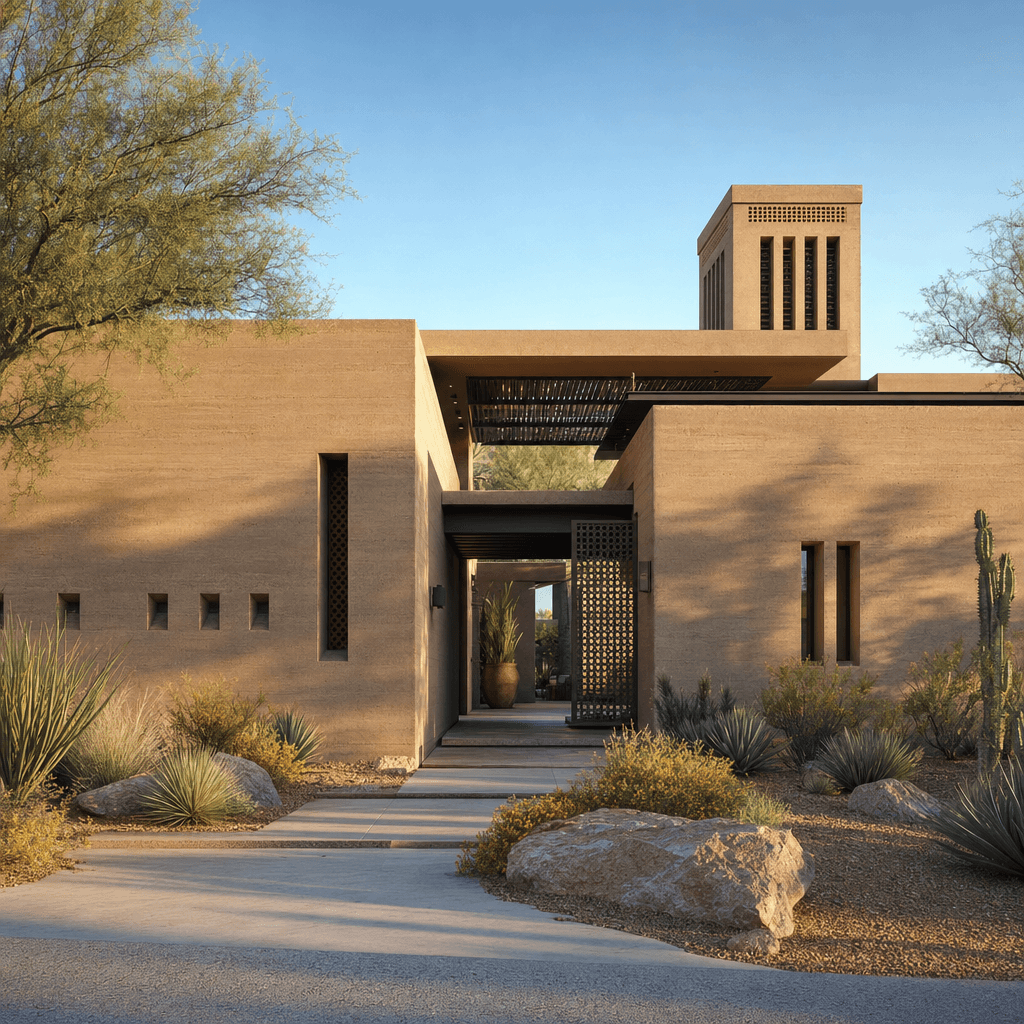
Desert Contemporary
Hot-arid and semi-arid climate zones - the American Southwest, Arabian Peninsula,... / Regional contemporary
Low sheltering heat-defensive volumes, matte mineral finishes, deep shade, and hot-arid performance. Quiet, protective, and geologically grounded.
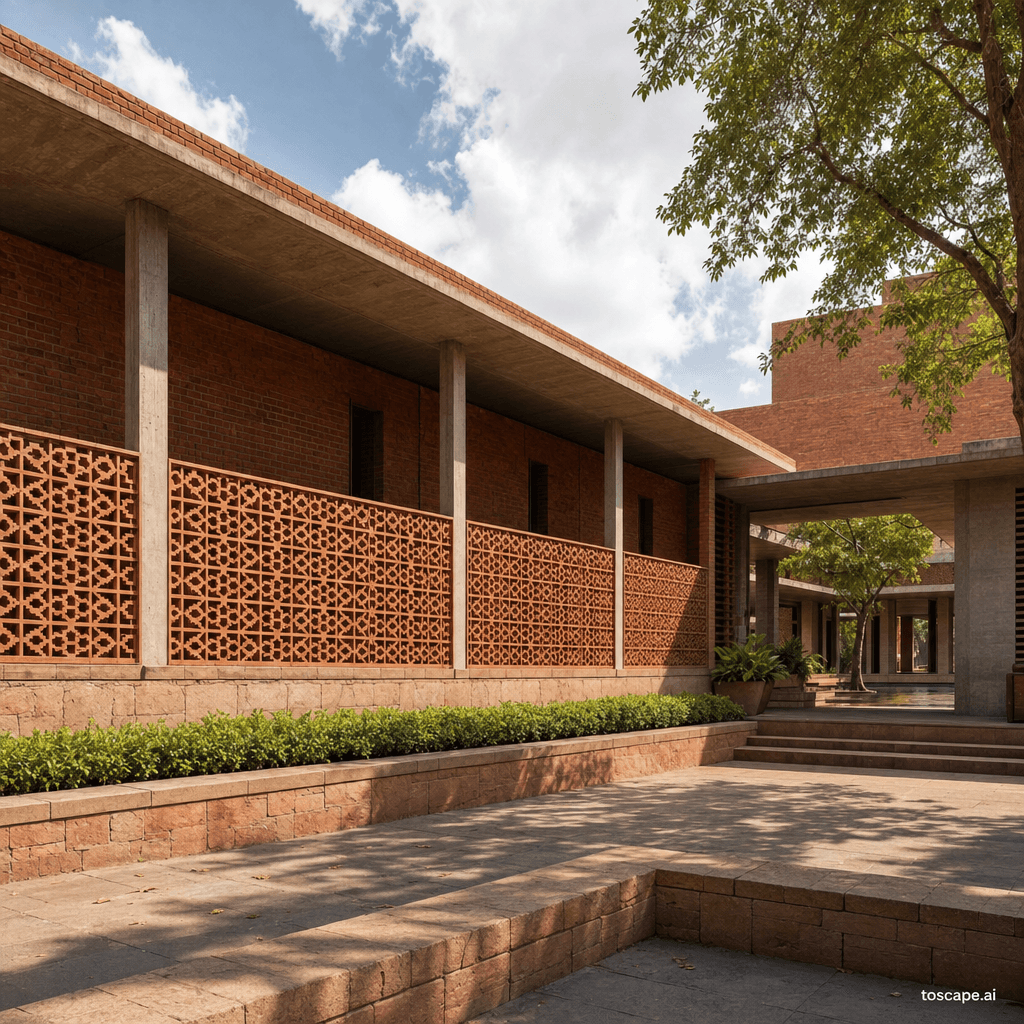
INDIAN CONTEMPORARY ARCHITECTURE
India (post-1947 independence, accelerating 1960s-present) / Regional contemporary
Courtyard-centered spatial organization - climate-responsive shading and natural ventilation - exposed brick and local stone - deep verandas and colonnades - integration of traditional craft (stone carving, terracotta, textile) - modern structure with vernacular material -...
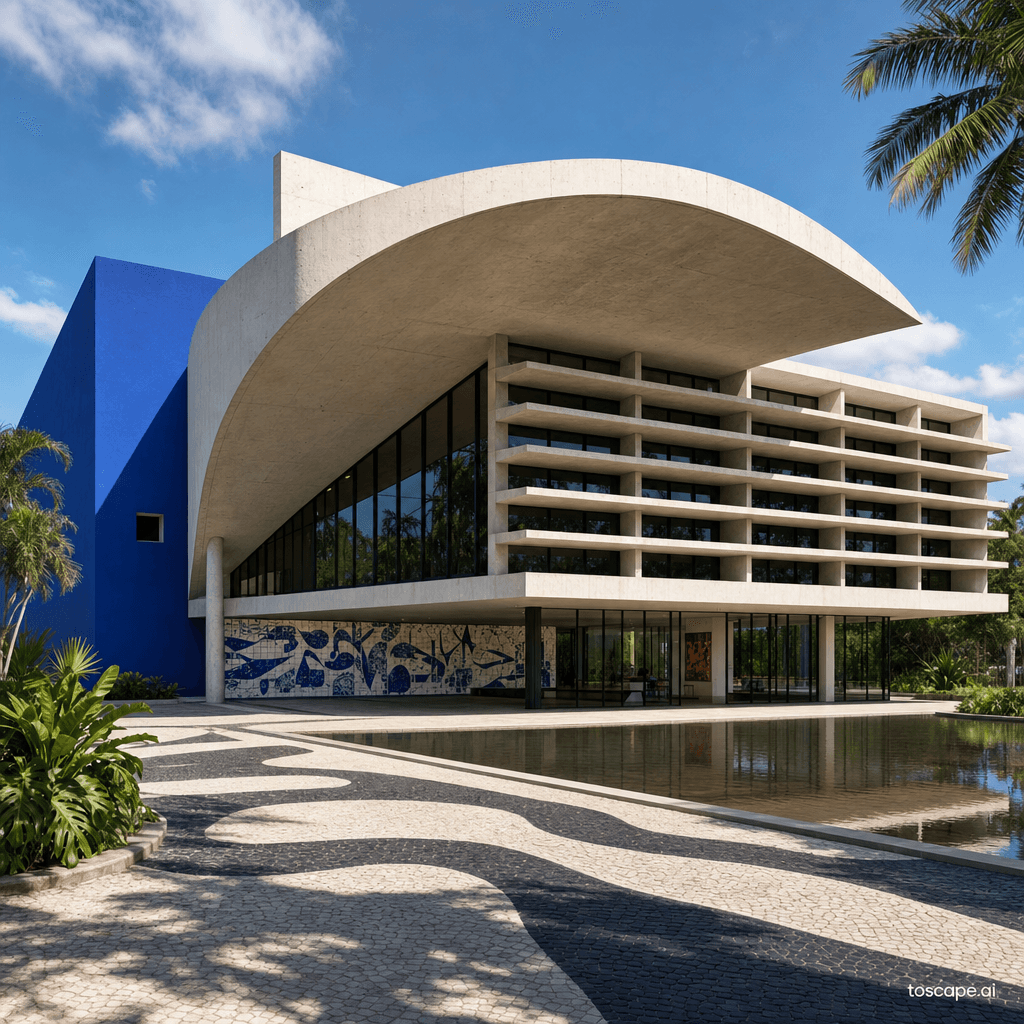
LATIN AMERICAN MODERNISM
Brazil, Mexico, Venezuela, Argentina, Uruguay, Colombia (1930s-1970s) / Regional contemporary
Sculptural reinforced concrete - bold sweeping curves and dramatic cantilevers - integration of mural art and landscape - climate-responsive brise-soleil and shading - vivid color accents - indoor-outdoor tropical living - architecture as nation-building and social progress -...
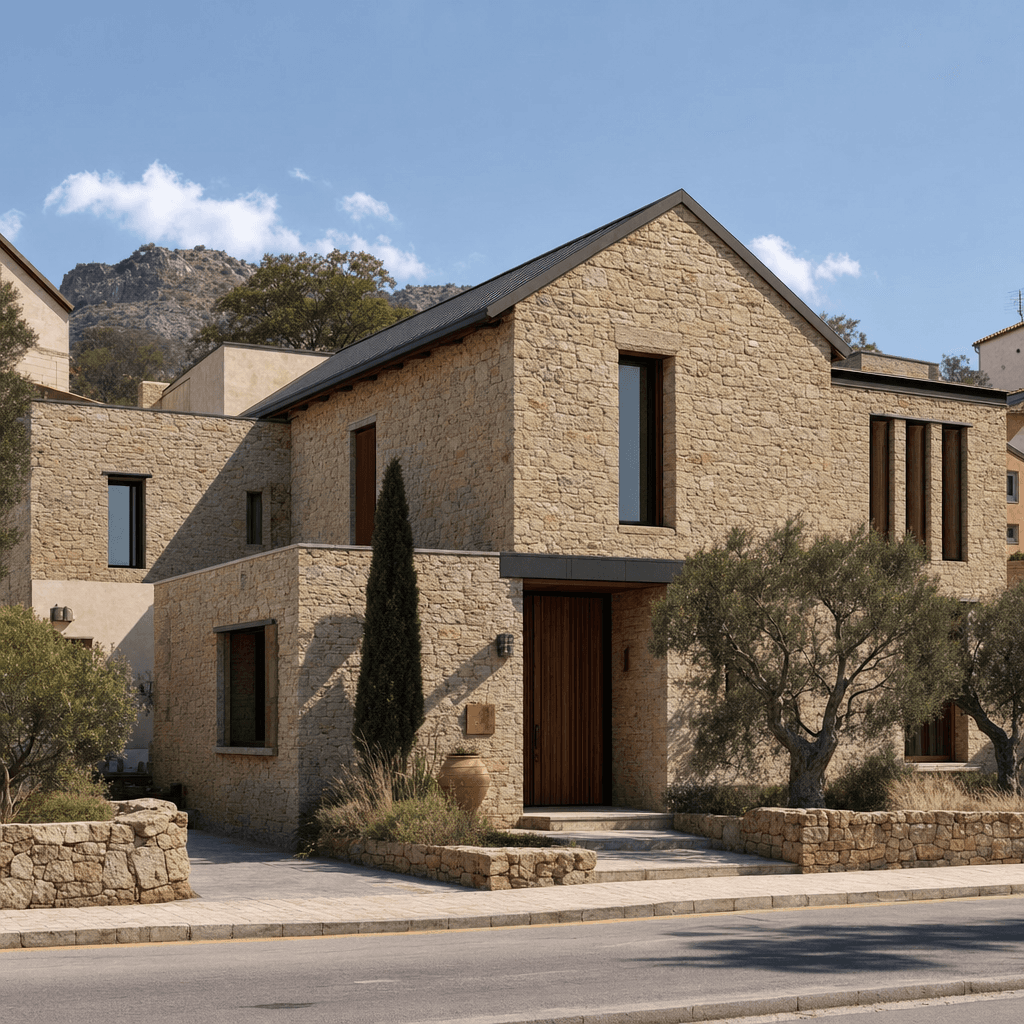
Neo Vernacular Contemporary
Region-specific - each application draws from a particular vernacular tradition (Mediterr... / Regional contemporary
Abstracted vernacular cues, local materials, simplified gables or courtyard walls, and contemporary restraint. Familiar yet fresh - the architecture evokes a sense of belonging and cultural continuity without nostalgia or pastiche.
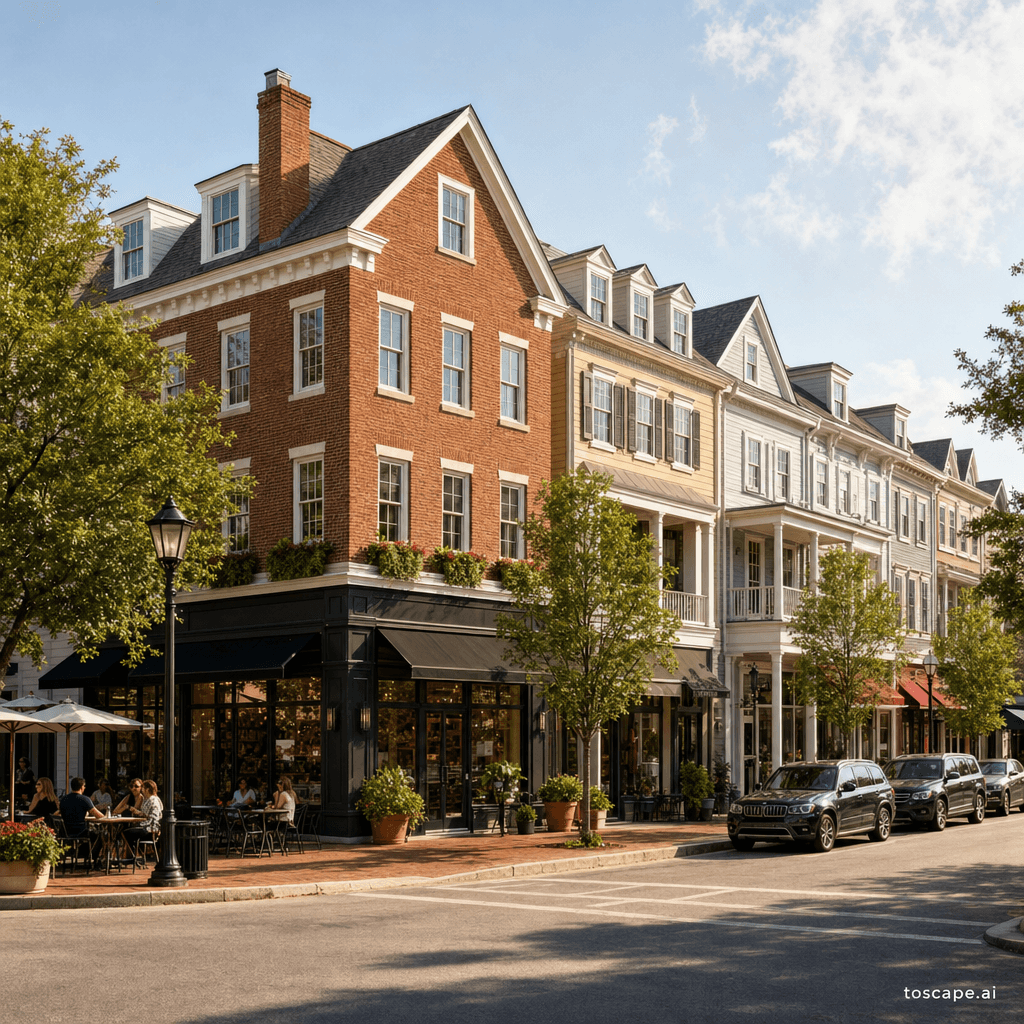
NEW URBANISM
United States (1980s-present); Core identity: Traditional neighborhood form - walkable... / Regional contemporary
Traditional neighborhood form - walkable street grid and interconnected blocks - mixed-use town centers within 5-minute walk - defined public realm with squares and greens - front porches and stoops facing the street - rear-access parking via alleys and rear garages - building...
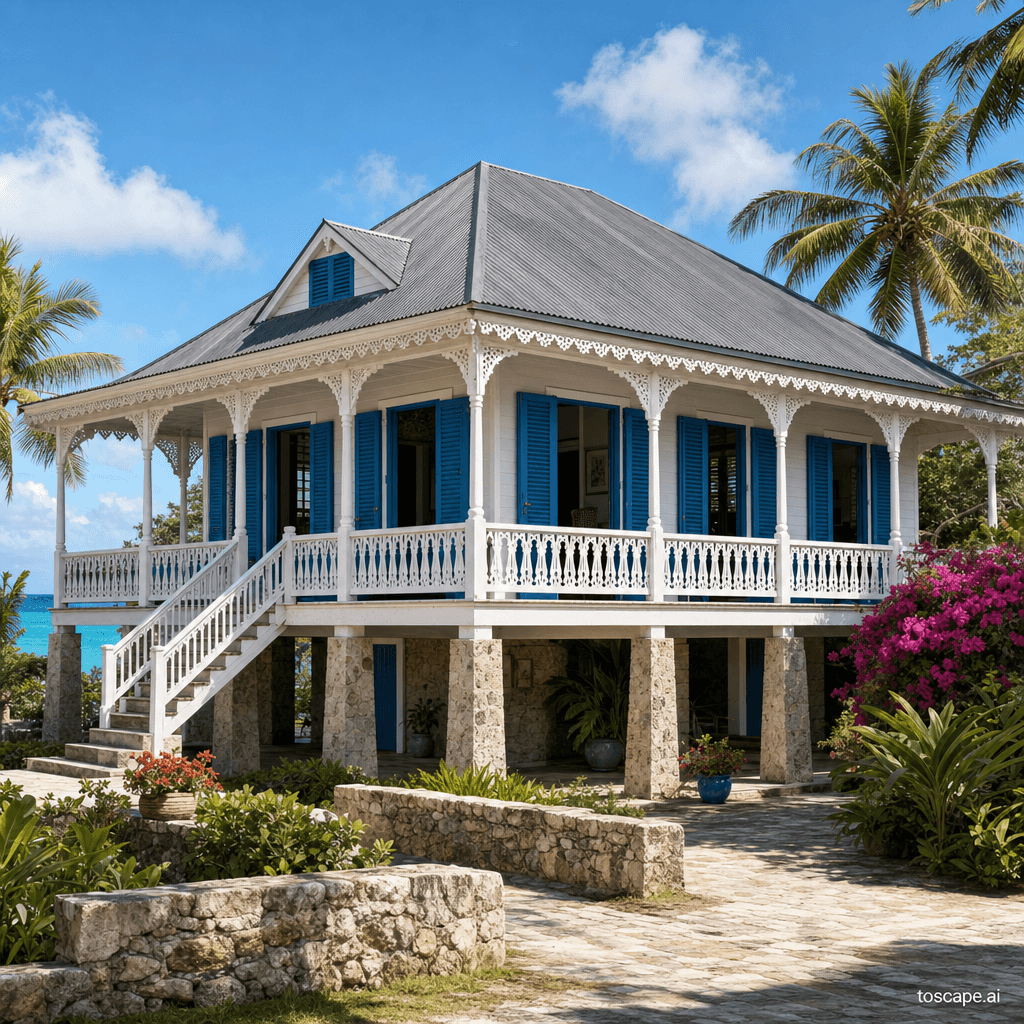
TROPICAL CARIBBEAN ARCHITECTURE
Caribbean Islands (Jamaica, Barbados, Trinidad, Cuba, Dominican Republic, etc.); Core... / Regional contemporary
Raised floors on stilts for flood and ventilation - operable timber shutters and jalousie windows - deep wrap-around verandas - steep hipped metal roofs for hurricane wind and rain - timber frame with stone base - bright colonial color palette - cross-ventilation as primary...
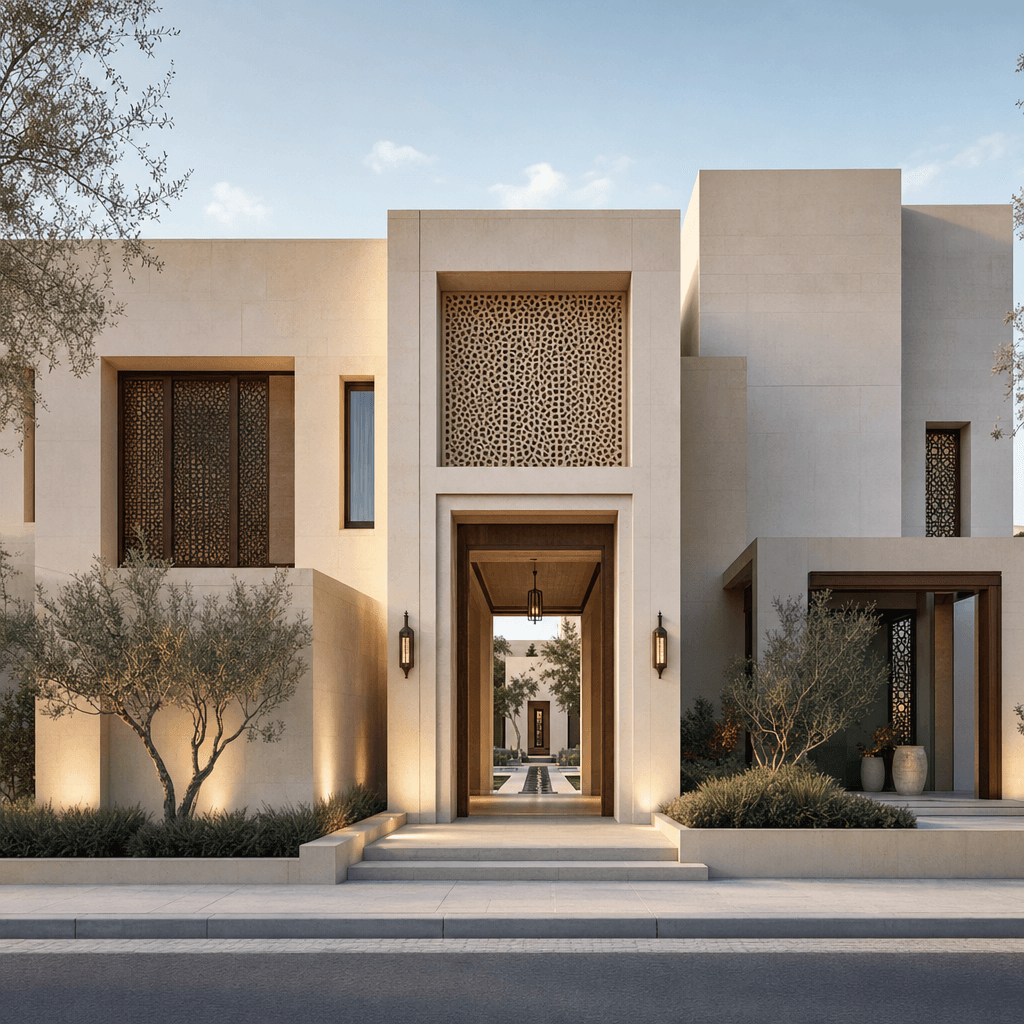
Modern Islamic
Islamic world - Middle East, North Africa, Central Asia, South Asia, and Southeast Asia. / Cultural heritage
Restrained mineral palette, courtyard logic, layered thresholds, wall depth, and contemporary Islamic order. Dignified, contemplative, and geometrically ordered.
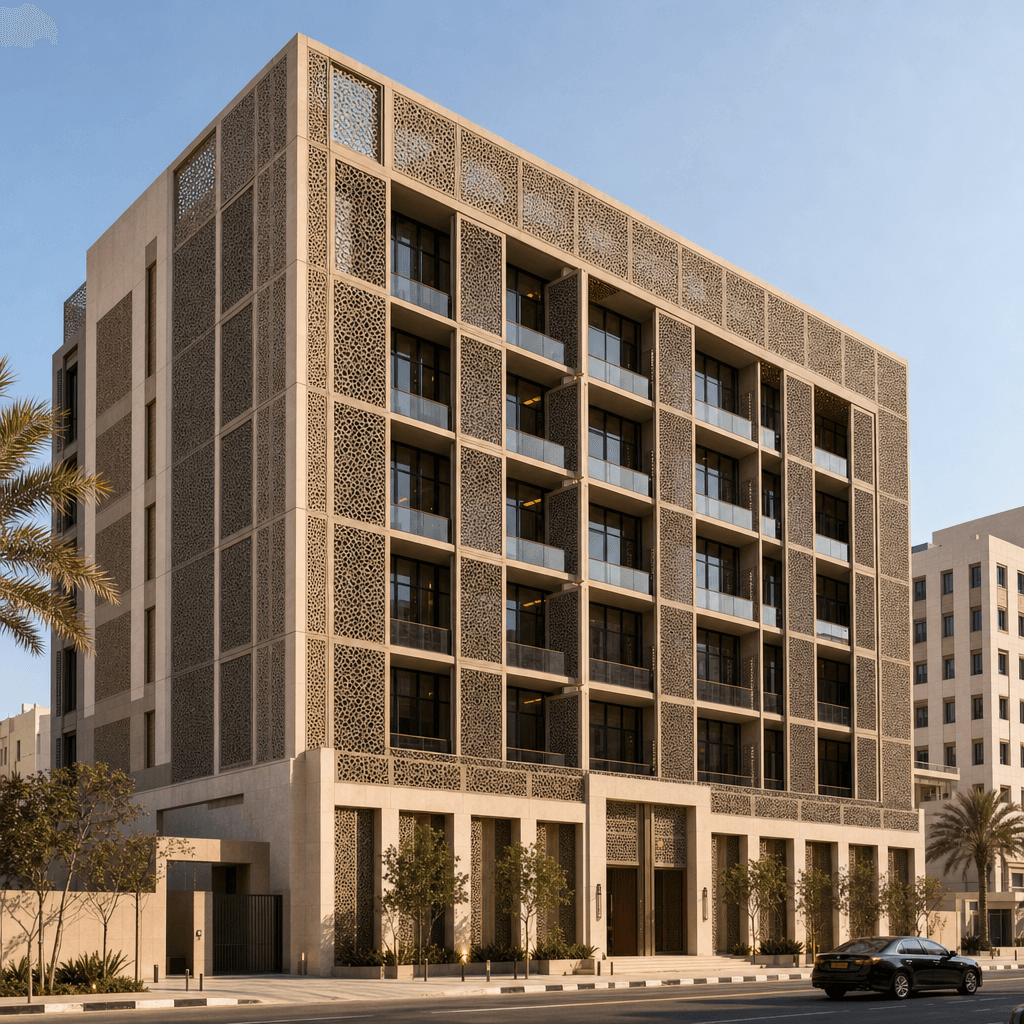
Mashrabiya Contemporary
Islamic world and hot-arid regions - Middle East, North Africa, southern Spain, and... / Cultural heritage
Filtered envelope, layered screening, solid core reading, and contemporary mashrabiya facade logic. Mysterious, layered, and optically rich.
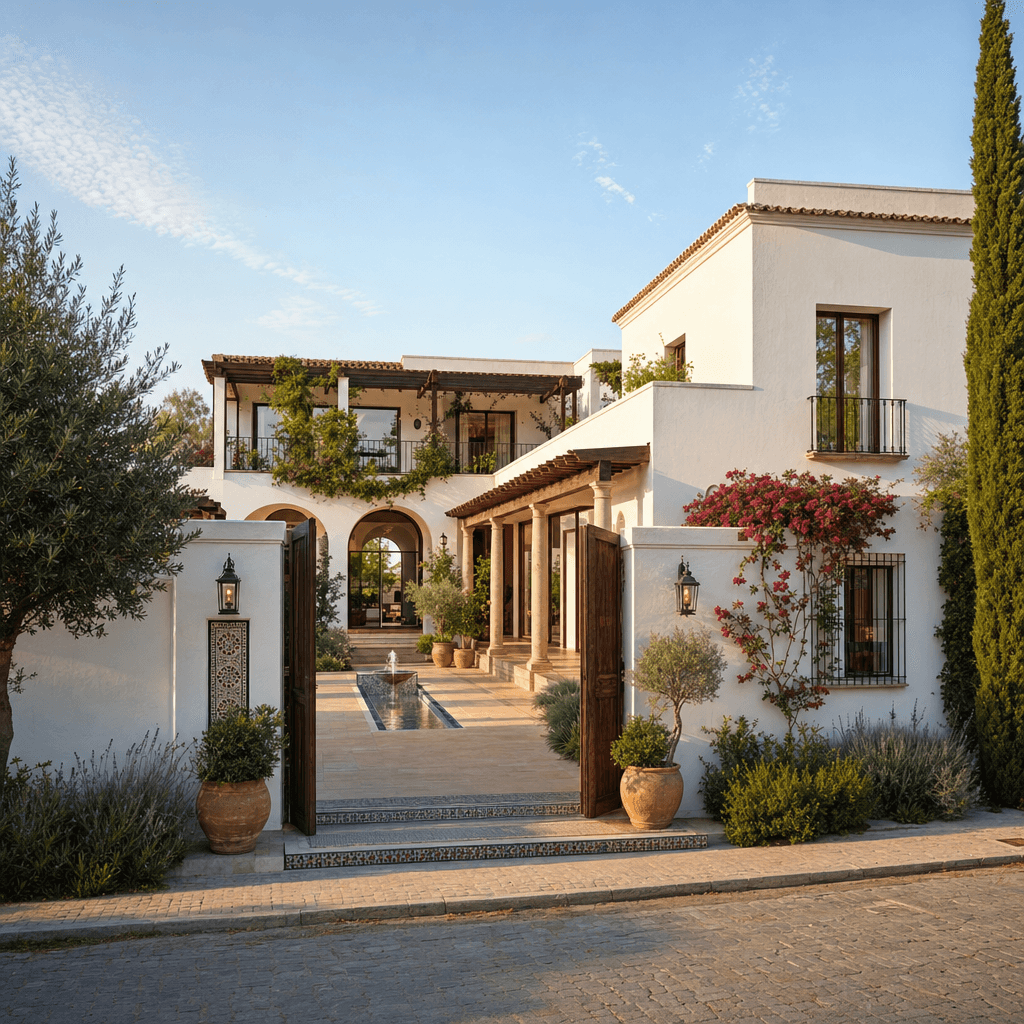
Andalusian Contemporary
Southern Iberian Peninsula - Andalusia, Spain, with cultural reach across the Mediterrane... / Cultural heritage
Southern Iberian palette, patio-based organization, terraces, and contemporary Mediterranean spatial character. Elegant, sun-drenched, and spatially poetic.
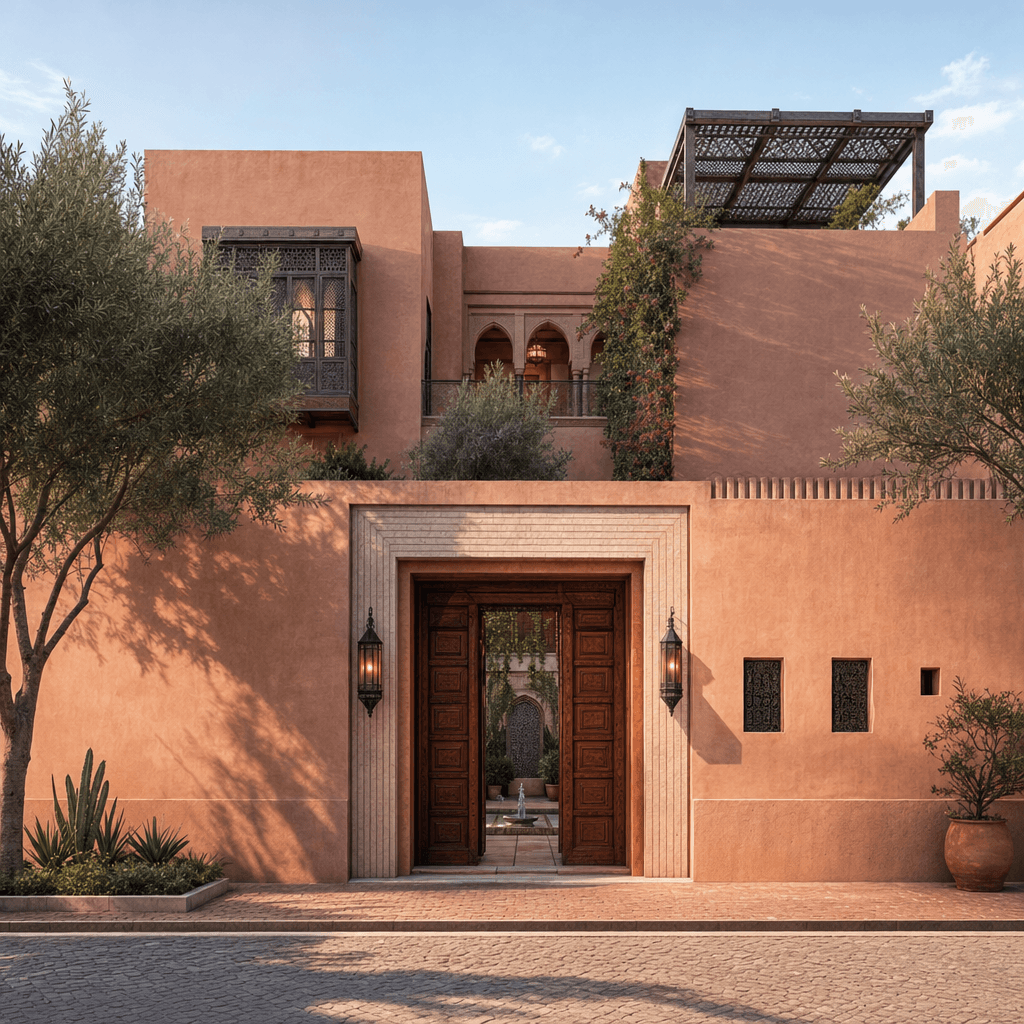
Moroccan Contemporary
Morocco and the broader Maghreb region - North Africa. / Cultural heritage
Warm Moroccan palette, tactile courtyard-oriented massing, sun-shaped forms, and crafted material depth. Rich, crafted, and sensually warm.
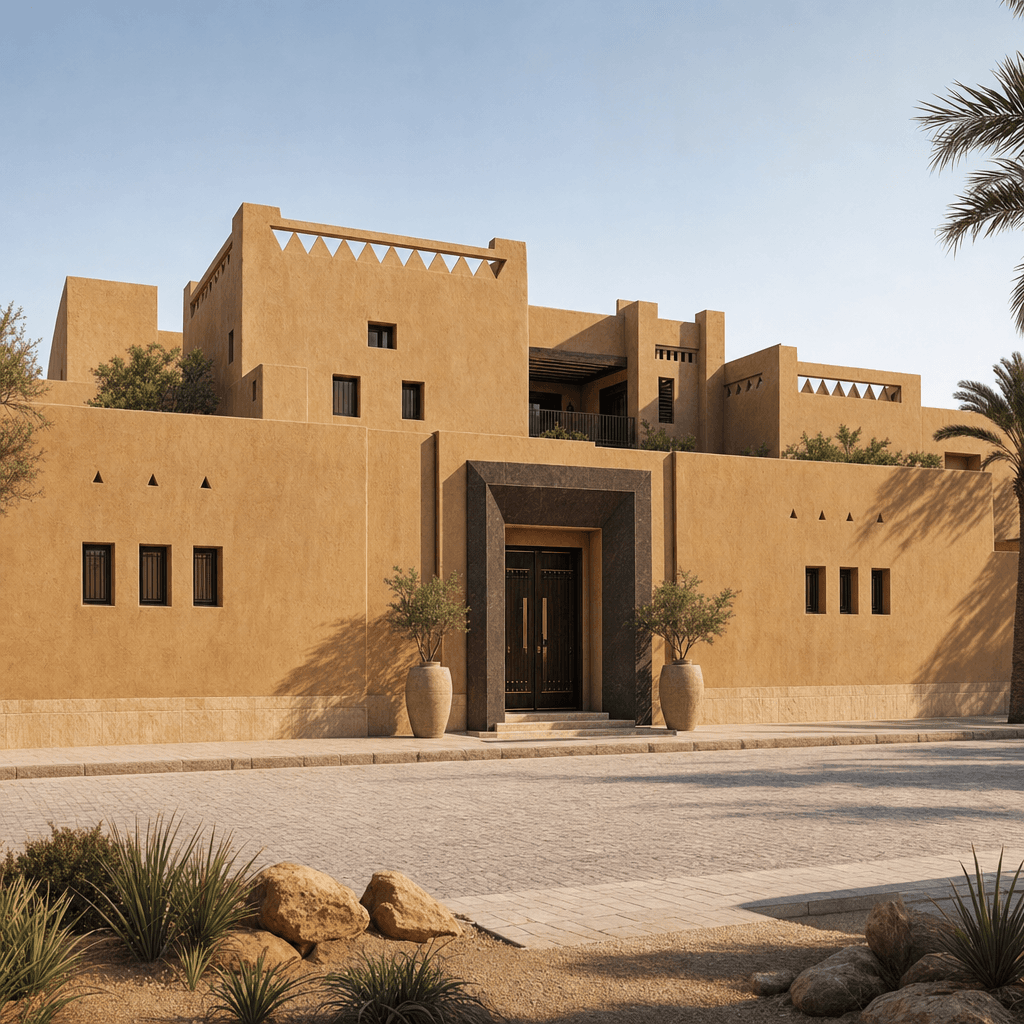
Najdi Contemporary
Central Arabian Peninsula - the Najd region of Saudi Arabia. / Cultural heritage
Hot-arid Najdi palette, thick inward-looking walls, solid massing, and regional desert character. Grounded, dignified, and authentically regional.
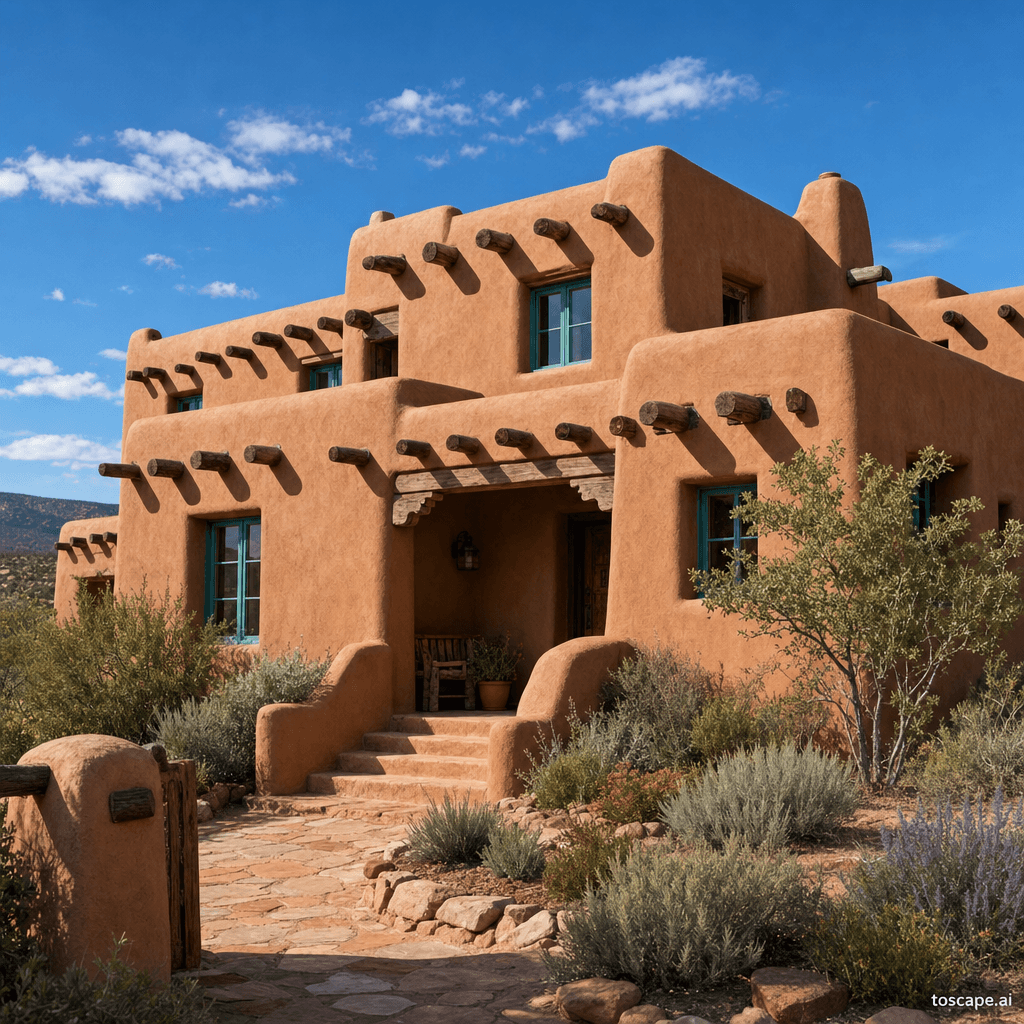
ADOBE / PUEBLO REVIVAL ARCHITECTURE
New Mexico / Arizona, USA (Pueblo Revival 1910s-1930s; continued adaptation to present);... / Cultural heritage
Rounded organic earth forms - thick adobe or adobe-like walls (earth plaster over frame or true adobe brick) - projecting vigas (round timber roof beams) - flat roof with parapet and canales (wooden roof drains) - deep-set windows - corner fireplaces (kiva style) - stepped,...
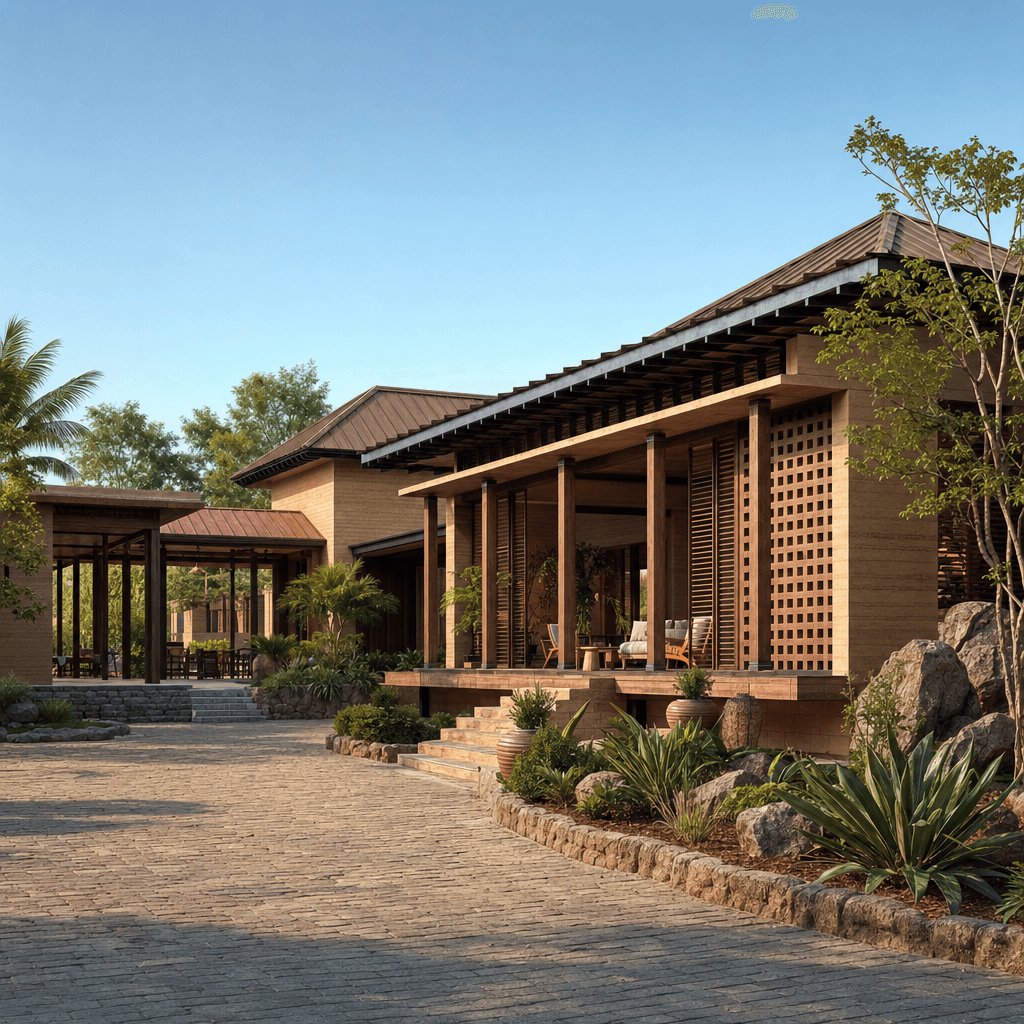
African Contemporary Vernacular
Sub-Saharan Africa - encompassing diverse climatic zones from Sahel to savanna to... / Cultural heritage
Regionally grounded tectonics, compound logic, courtyard organization, veranda edges, and vernacular reinterpretation. Grounded, communal, and climatically intelligent.
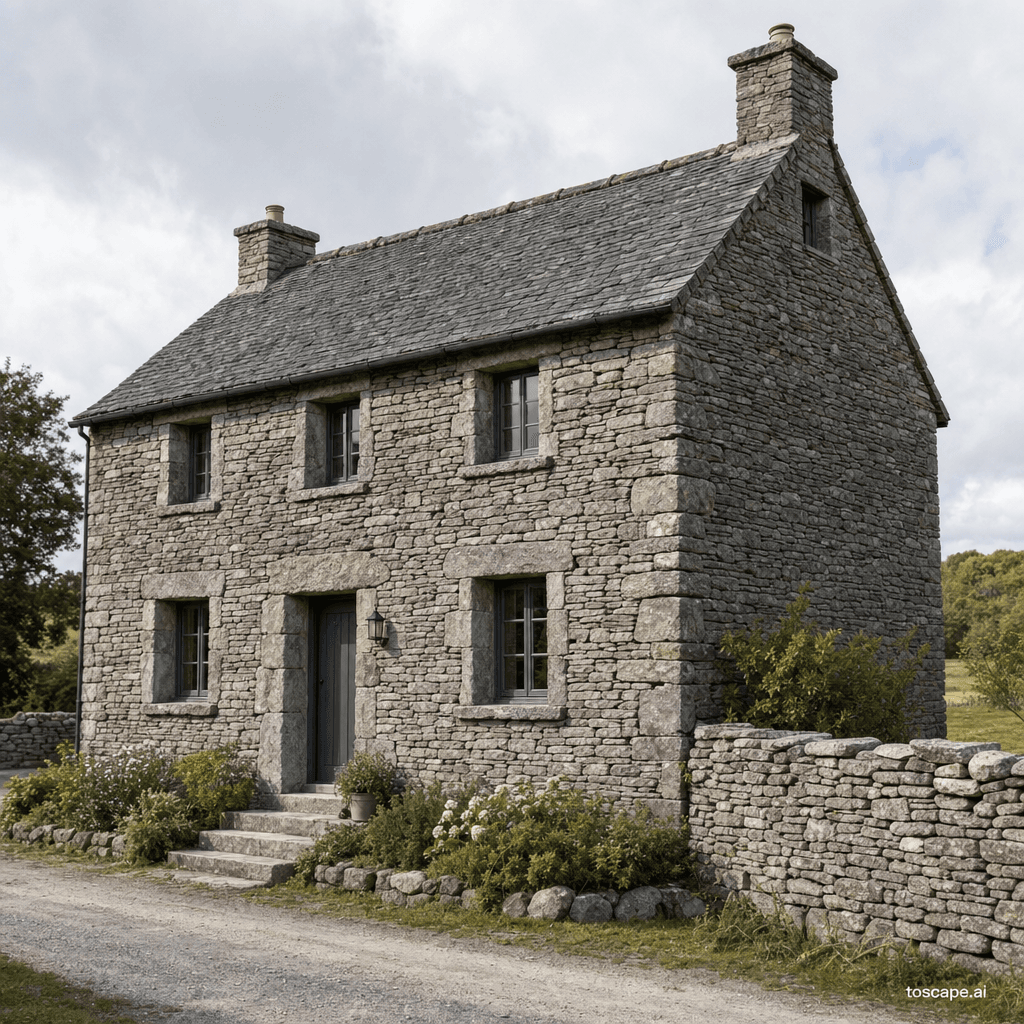
DRY STONE / STONEMASONRY WITHOUT MORTAR
Global (vernacular: Ireland, UK, Peru, Ethiopia, Mediterranean); Core identity: Stone... / Cultural heritage
Stone walls built without mortar - stones selected and placed to interlock by weight and friction alone - visible stone texture as primary facade - double-faced walls with through-stones - massive wall thickness (450-900 mm) - stone sourced from site or immediate vicinity - the...
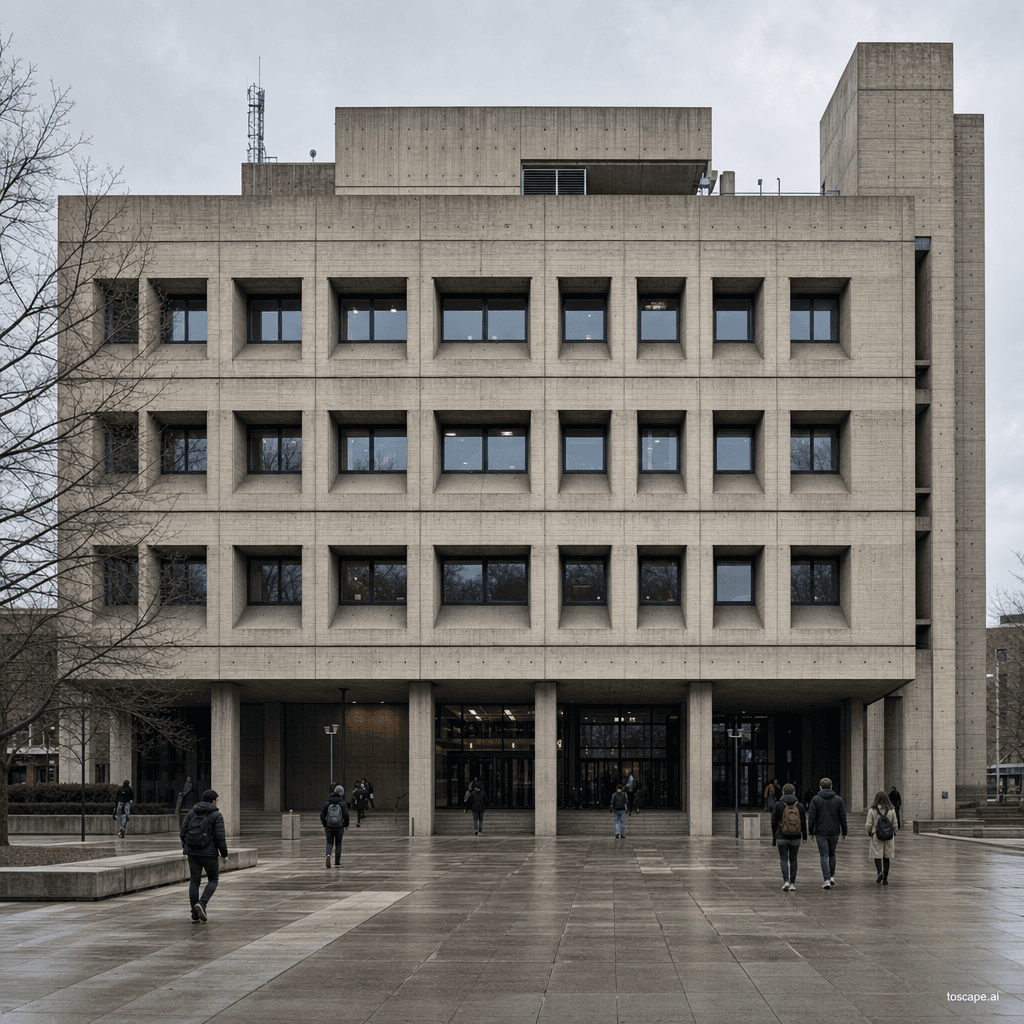
BRUTALISM
United Kingdom / France (1950s), global spread / Modernist lineage
Exposed board-marked concrete - massive sculptural block geometry - repetitive punched openings - expressed structure as ornament - anti-bourgeois material honesty - dramatic shadow casting through deep reveals
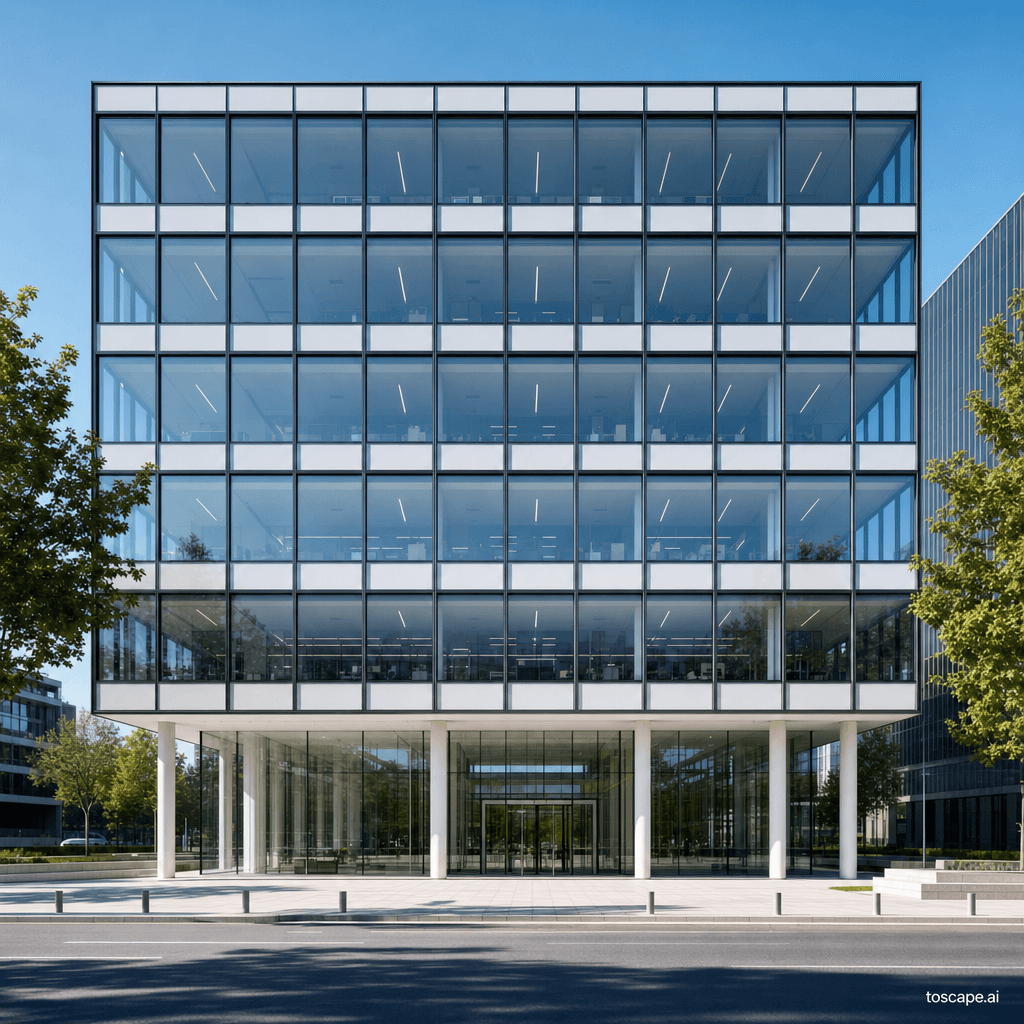
INTERNATIONAL STYLE / BAUHAUS CONTEMPORARY
Western Europe (Bauhaus, Dessau 1920s) / United States (MoMA exhibition 1932) / Modernist lineage
Rectilinear glass-and-steel volume - expressed structural grid - flat roof with no overhang - smooth white or neutral curtain wall - asymmetry of plan-asymmetry of elevation - absence of ornament - transparency as architectural idea
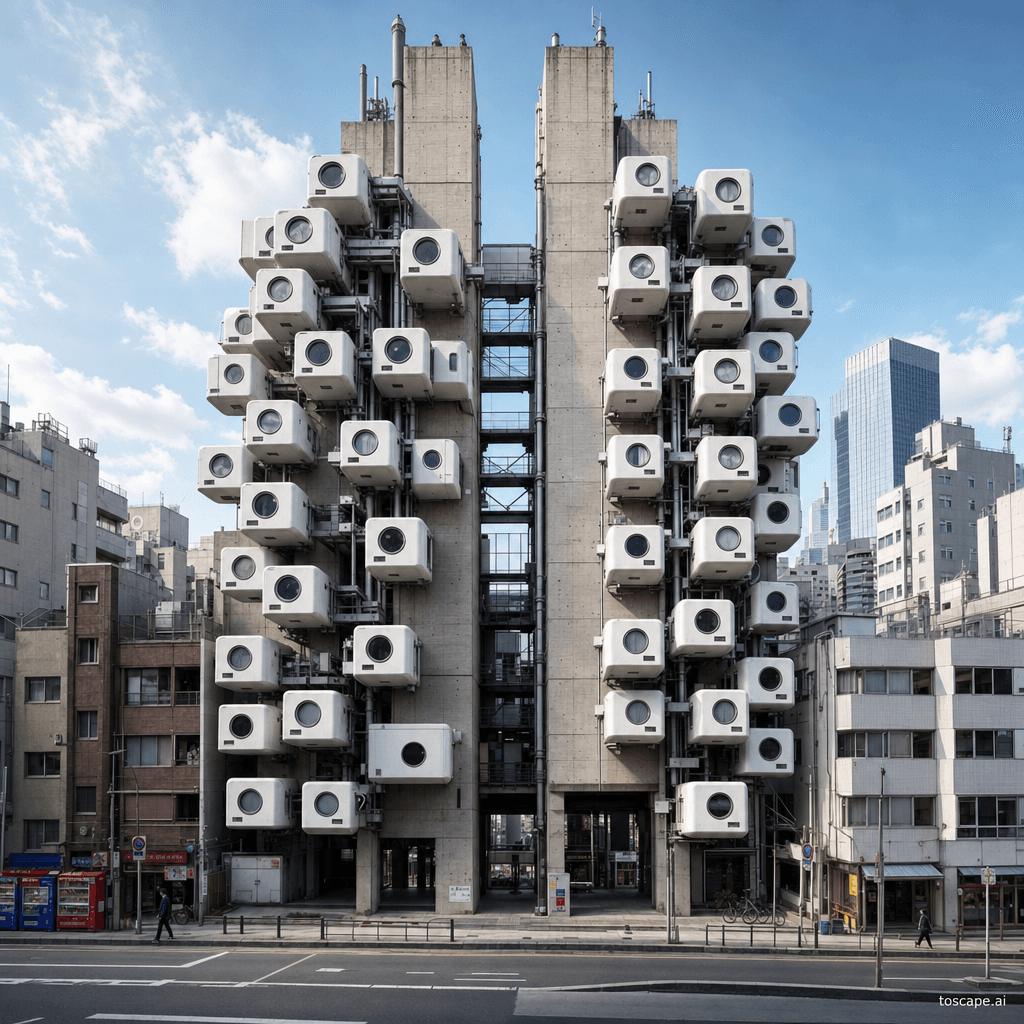
METABOLISM
Japan (Metabolism 1960 manifesto, Tokyo) / Modernist lineage
Megastructural core with attachable/detachable modular capsules - building as living organism with growth cycles - exposed concrete and expressed joints - cellular repetition at urban scale - infrastructure as architectural form - plug-in adaptability - biological metaphor made...
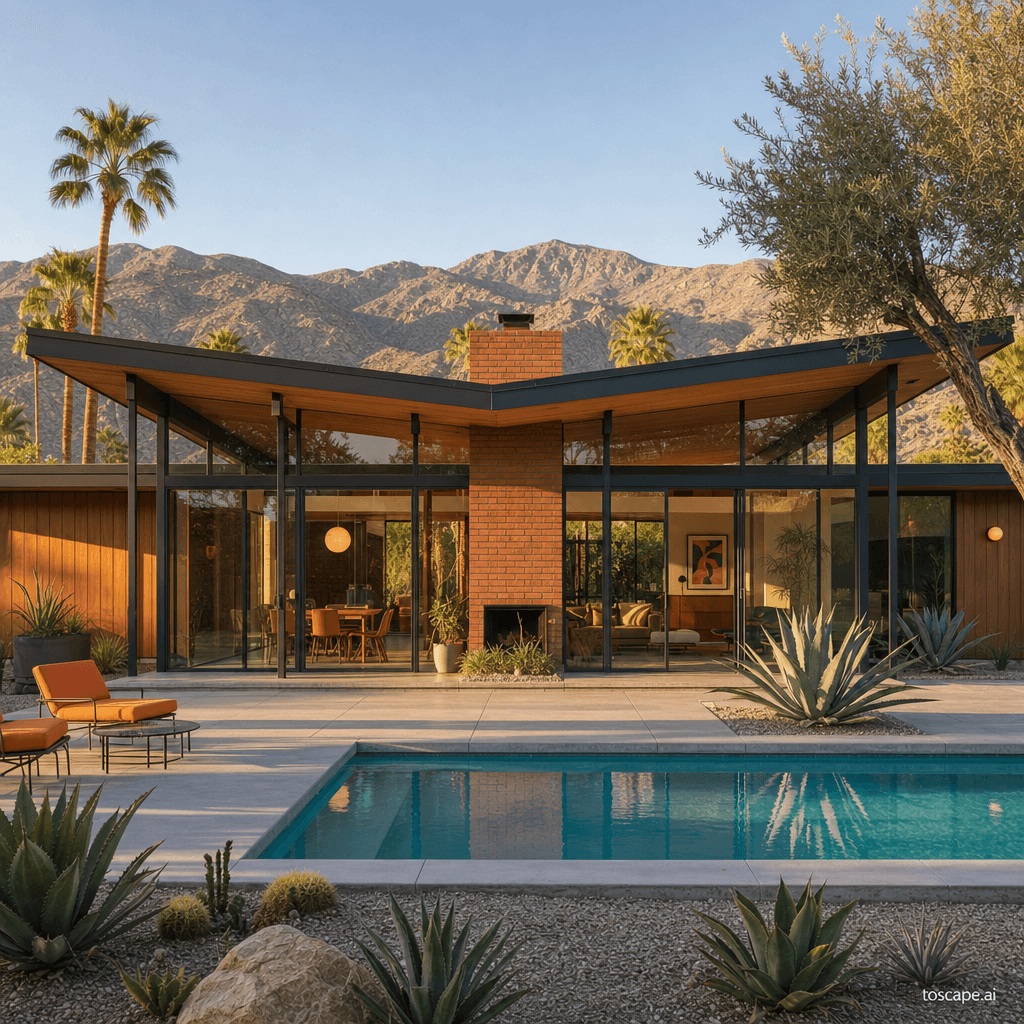
MID-CENTURY MODERNISM
United States (California / Palm Springs school; also Florida, Northeast) / Modernist lineage
Low horizontal mass - butterfly or flat roof with wide overhangs - post-and-beam structure - floor-to-ceiling glass - indoor-outdoor continuity - warm natural materials (wood, brick, stone) alongside glass and steel - open plan - carport, not garage - built-in furniture and...
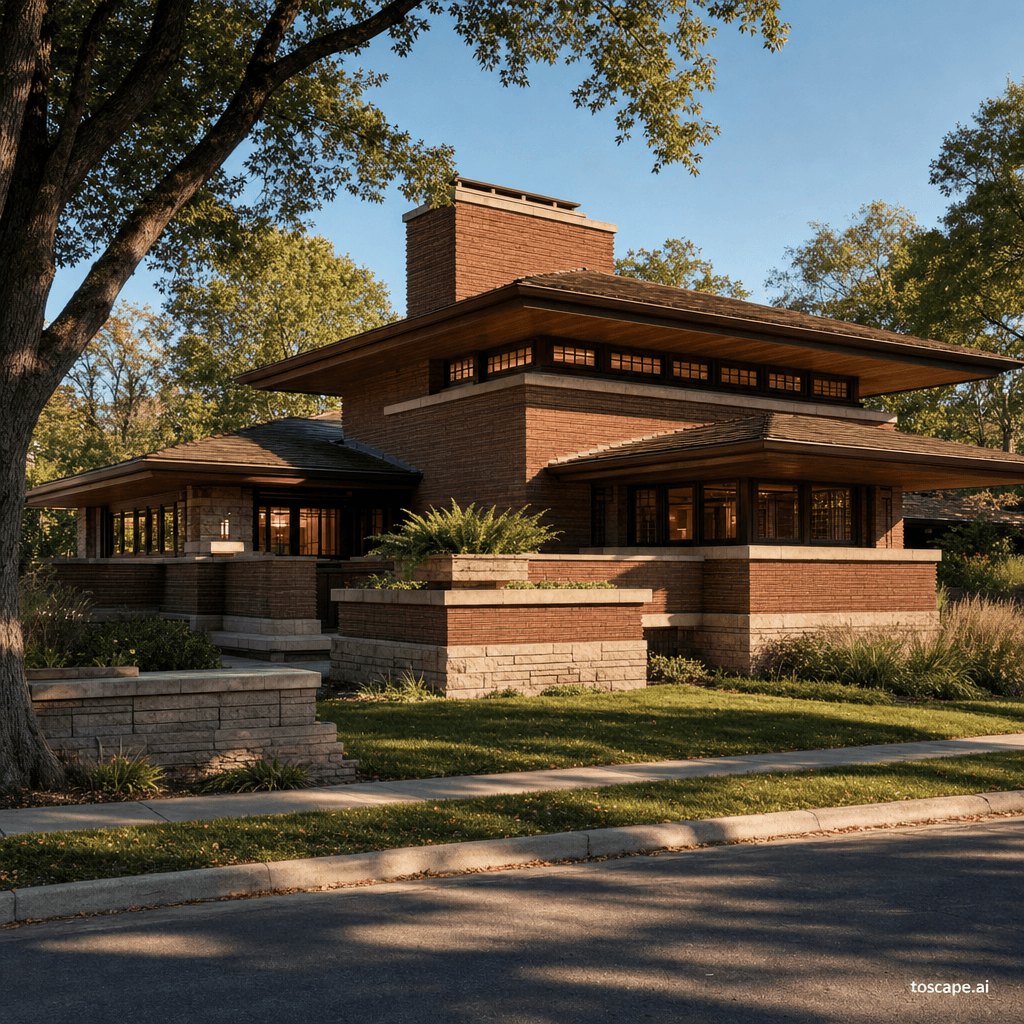
ORGANIC ARCHITECTURE / PRAIRIE SCHOOL CONTEMPORARY
United States (Frank Lloyd Wright, 1890s onward) / Modernist lineage
Horizontal lines anchored to the prairie - deep overhanging sheltering roofs - central hearth as spatial nucleus - continuous interior flow without box-like rooms - materials from the site - building as unified organism growing from the ground - nature as primary design...
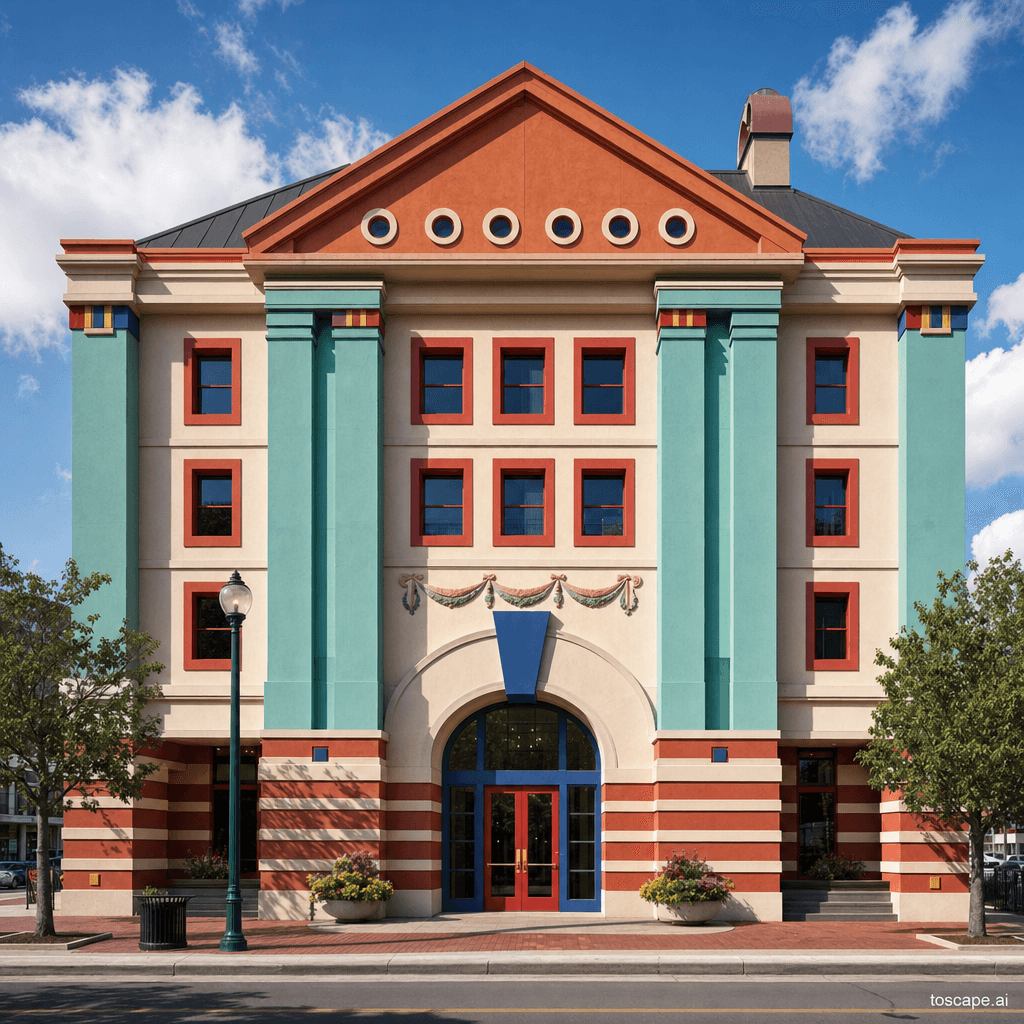
POSTMODERN ARCHITECTURE
United States / Western Europe (1960s-1980s) / Postmodern lineage
Historical quotation as communication - polychromatic facades - classical elements abstracted and ironized - pitched roofs and pediments returned - applied ornament celebrated - architecture as sign and symbol - double-coding (elite + popular meaning)
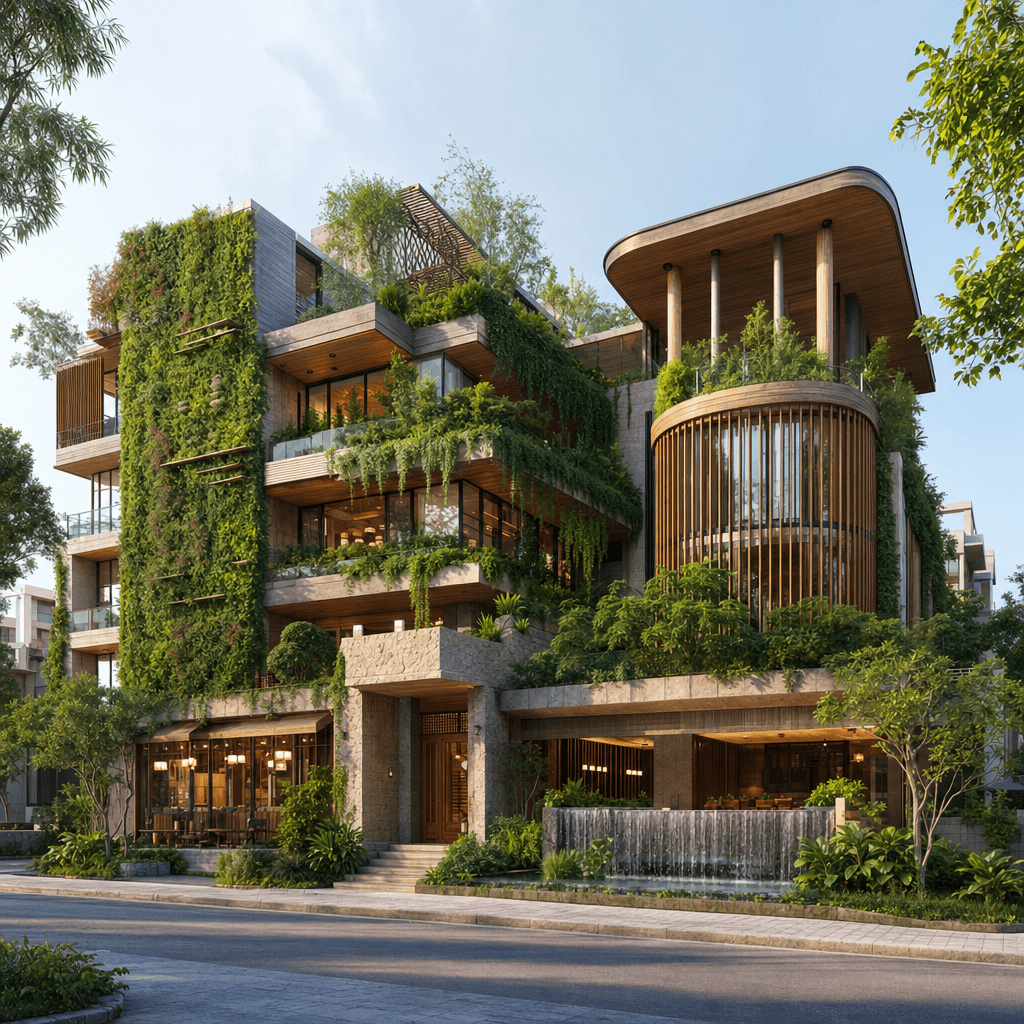
Biophilic
Global - applicable in any climate and context. / Sustainable performance
Natural materials, visible nature integration, planted facade logic, and tactile weatherable surfaces. Alive, sensory, and nurturing.
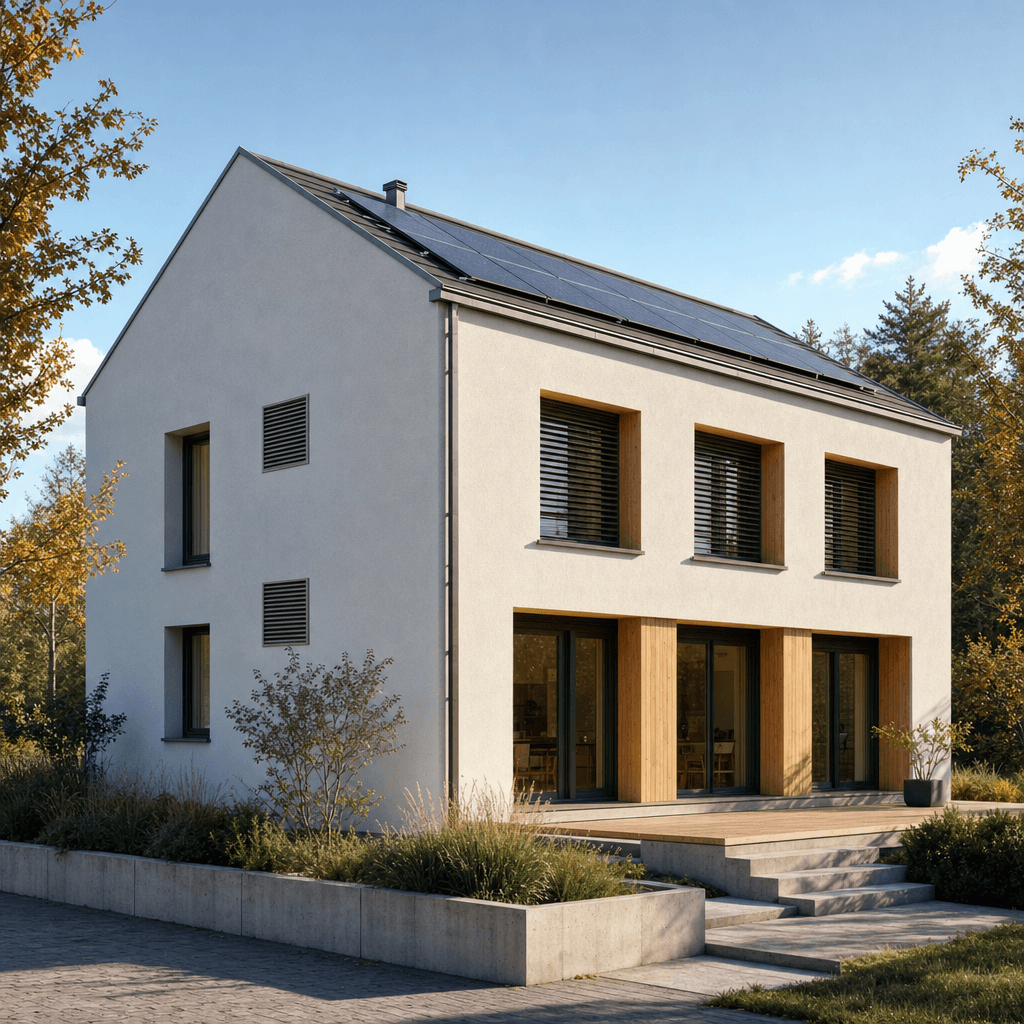
Passive House
Originated in Germany (Passivhaus standard) - now a global certification standard... / Sustainable performance
Compact thermally efficient form, super-insulated envelope, deep reveals, and performance-driven triple glazing. Rational, calm, and thermally intelligent.
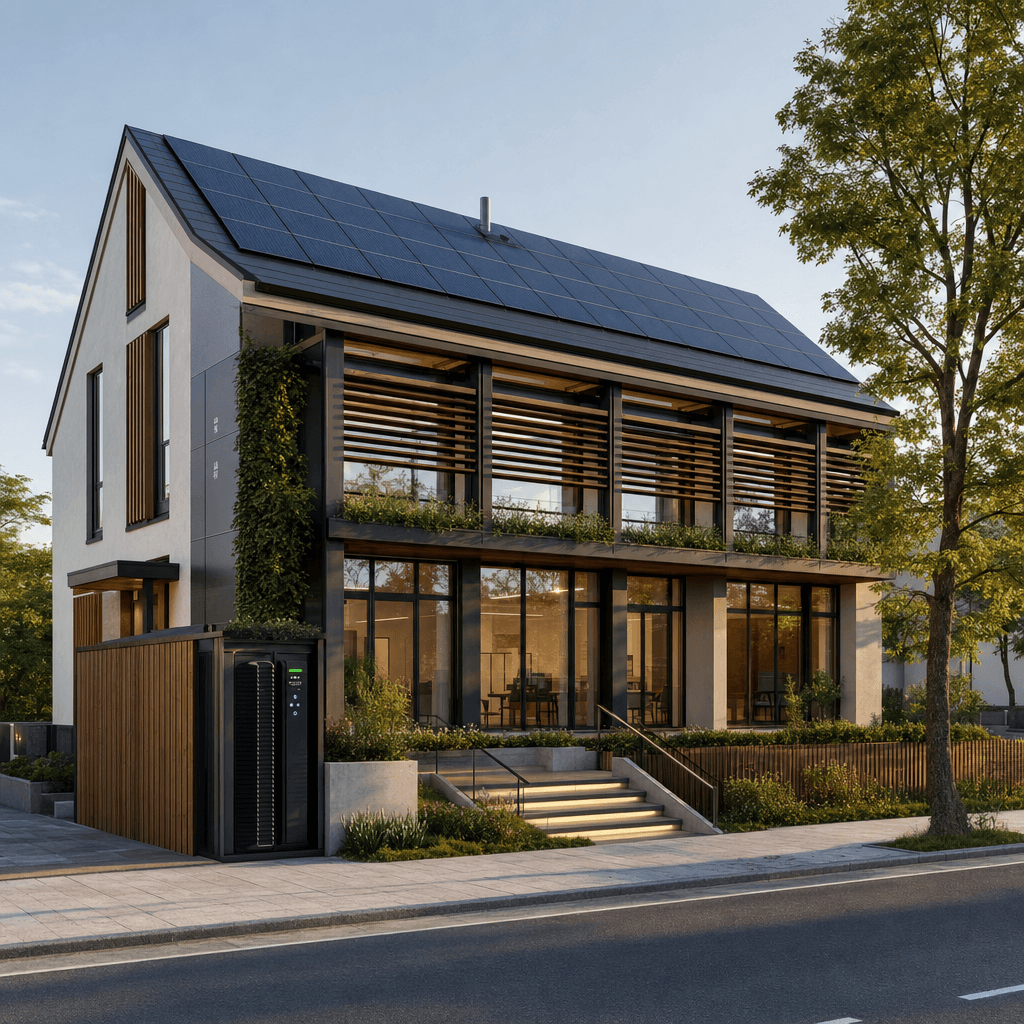
Net Zero
Global - applicable in all climate zones. / Sustainable performance
Integrated PV roof surfaces, low-demand envelope, deeper shading, and technically credible energy harvesting. Energy-literate, rational, and technologically confident.
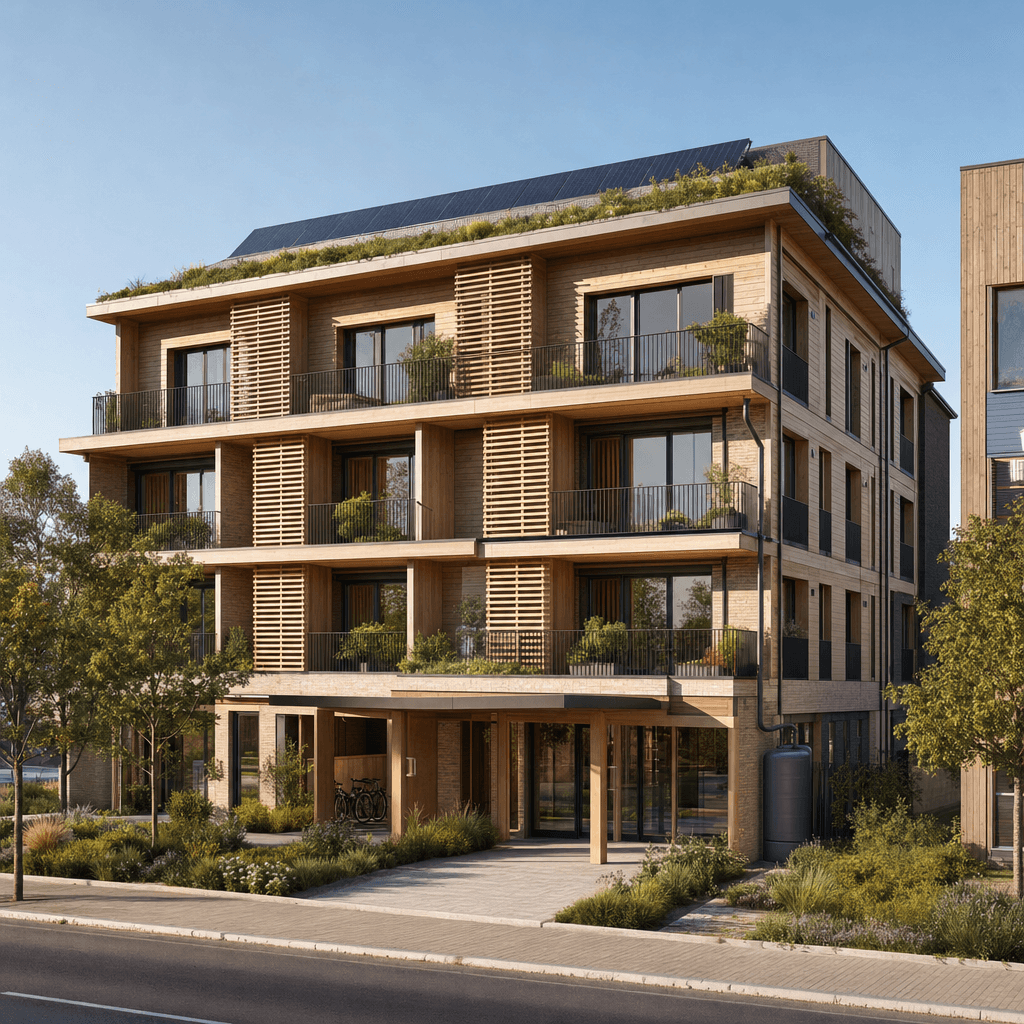
Sustainable Contemporary
Global - applicable in all climate zones. / Sustainable performance
Lower-carbon materials, compact rational form, and durable climate-responsible contemporary expression. Responsible, intelligent, and quietly confident.
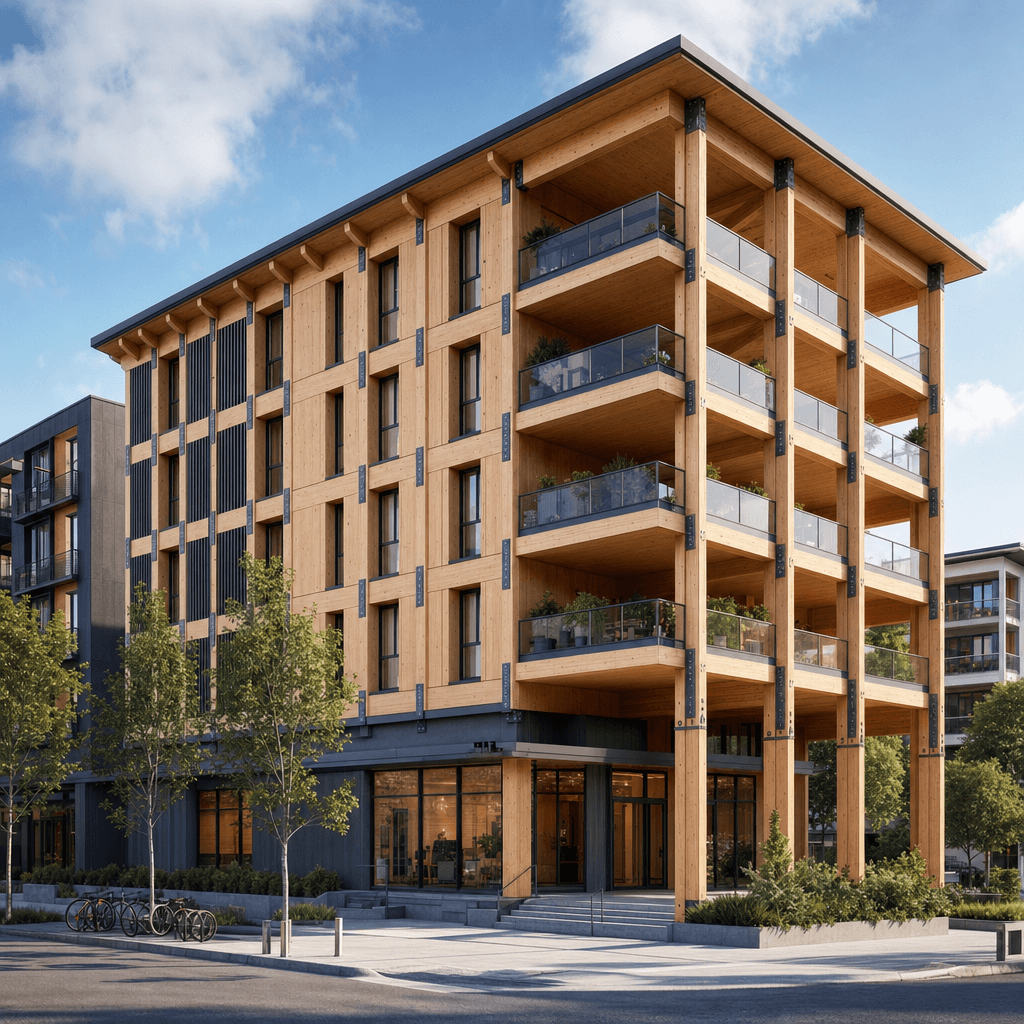
Mass Timber / CLT
Originated in central Europe (Austria, Germany, Switzerland) in the 1990s with the... / Sustainable performance
Engineered timber structure, CLT panels, exposed soffits, module-based rhythm, and clean prefabrication logic. Warm, precise, and tectonically expressive.
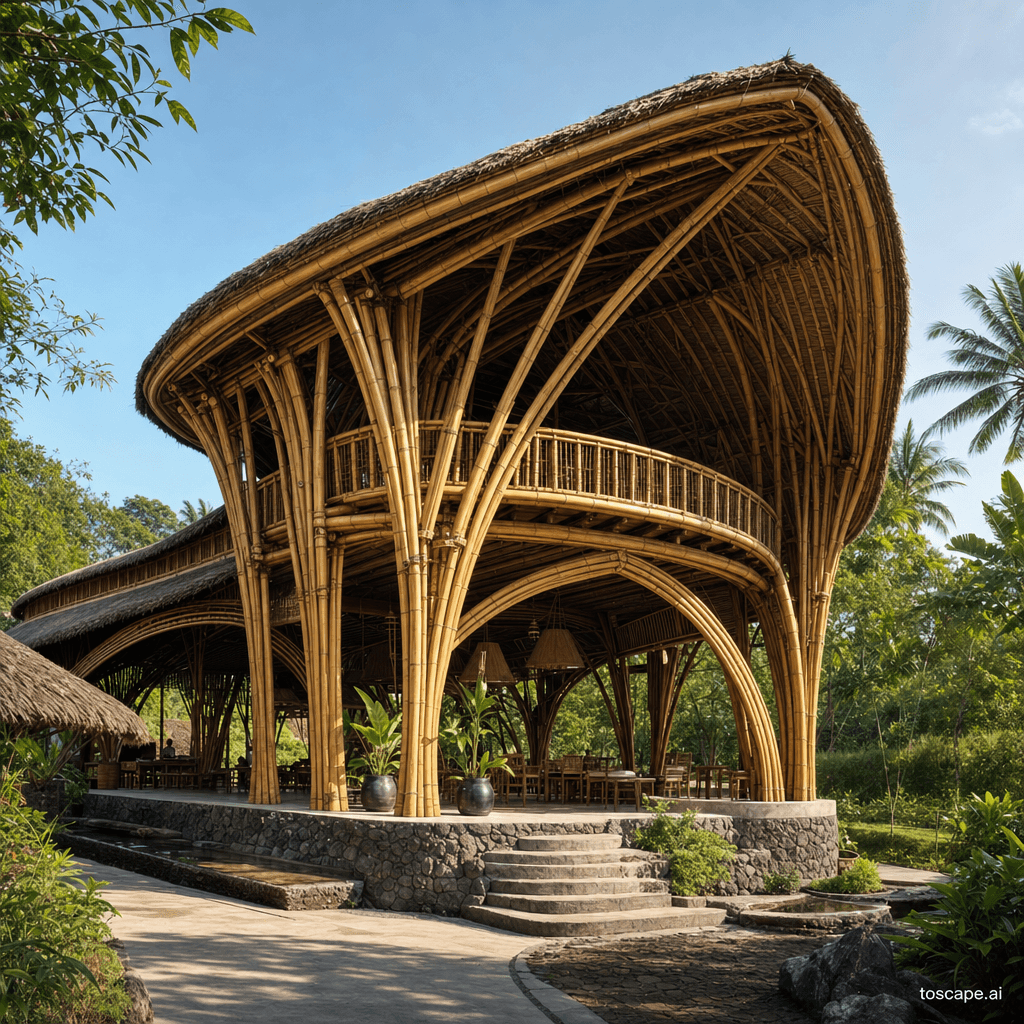
BAMBOO CONTEMPORARY ARCHITECTURE
Southeast Asia / Latin America (2000s-present); Core identity: Bamboo as primary structur... / Sustainable performance
Bamboo as primary structural AND aesthetic material - curved organic forms derived from bamboo's natural flexibility - open-air tropical pavilions - traditional joinery modernized - thatch or lightweight roofs - connection to craft traditions - carbon-sequestering architecture
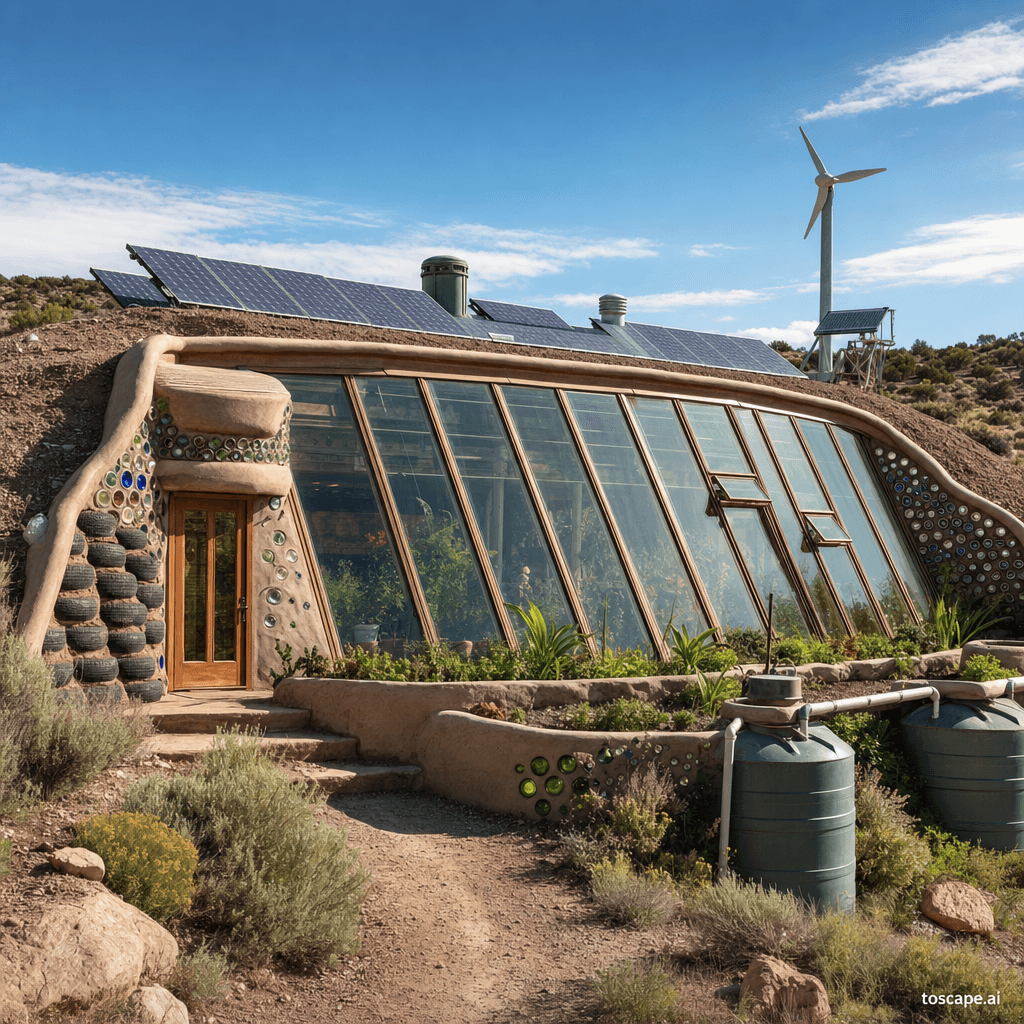
EARTHSHIP / BIOTECTURE
New Mexico, USA (Michael Reynolds, 1970s-present); Core identity: Tire-rammed earth... / Sustainable performance
Tire-rammed earth walls - U-shaped earth-bermed plan facing south - passive solar heating from glazed south wall - recycled materials as primary construction (tires, cans, bottles) - off-grid systems integrated (solar, wind, rainwater harvesting, greywater botanical cells) -...
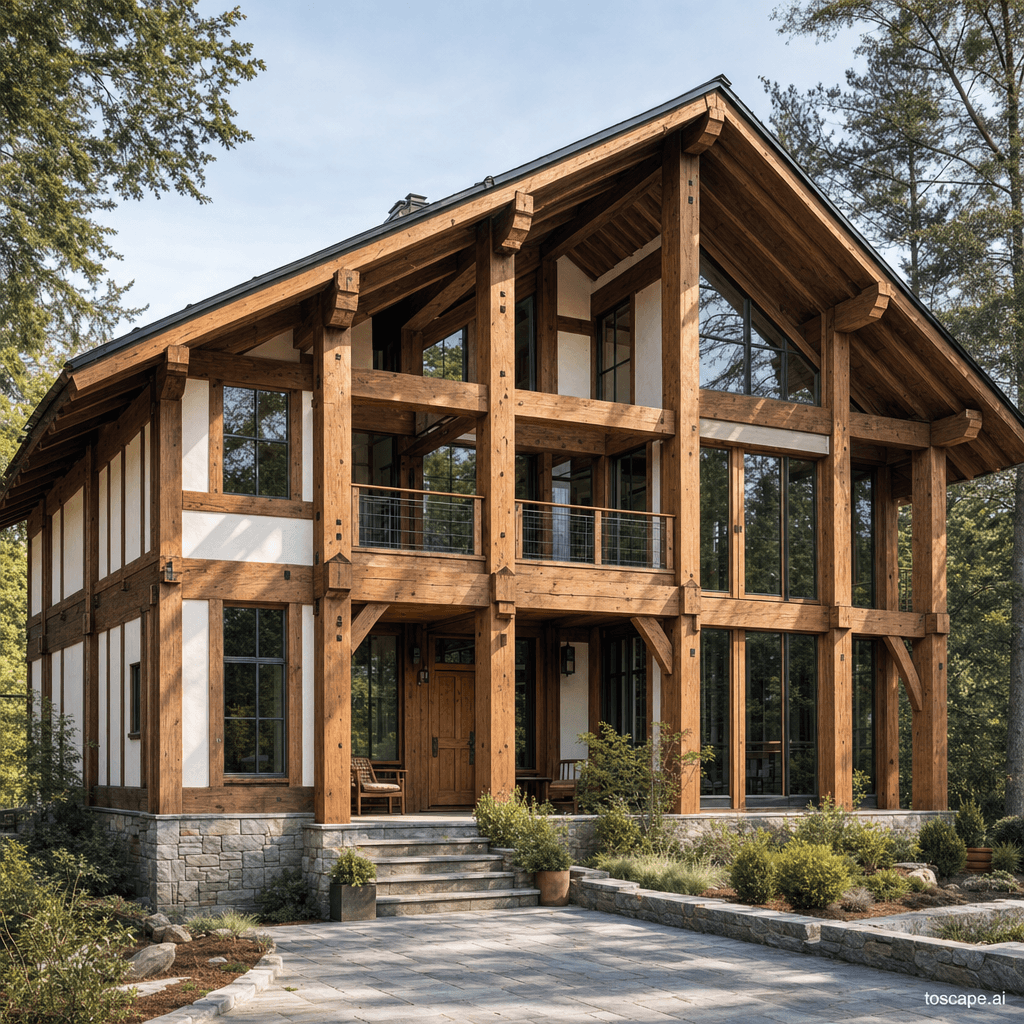
HEAVY TIMBER JOINERY / TIMBER FRAME
Global (Japan, Europe, Scandinavia, North America); Core identity: Exposed heavy timber... / Sustainable performance
Exposed heavy timber structural frame - mortise-and-tenon joinery (traditional) or steel connectors (contemporary) - the timber frame IS the architecture - no concealed structure - beams, posts, braces, and trusses visible as primary visual content - warm wood tones - infill...
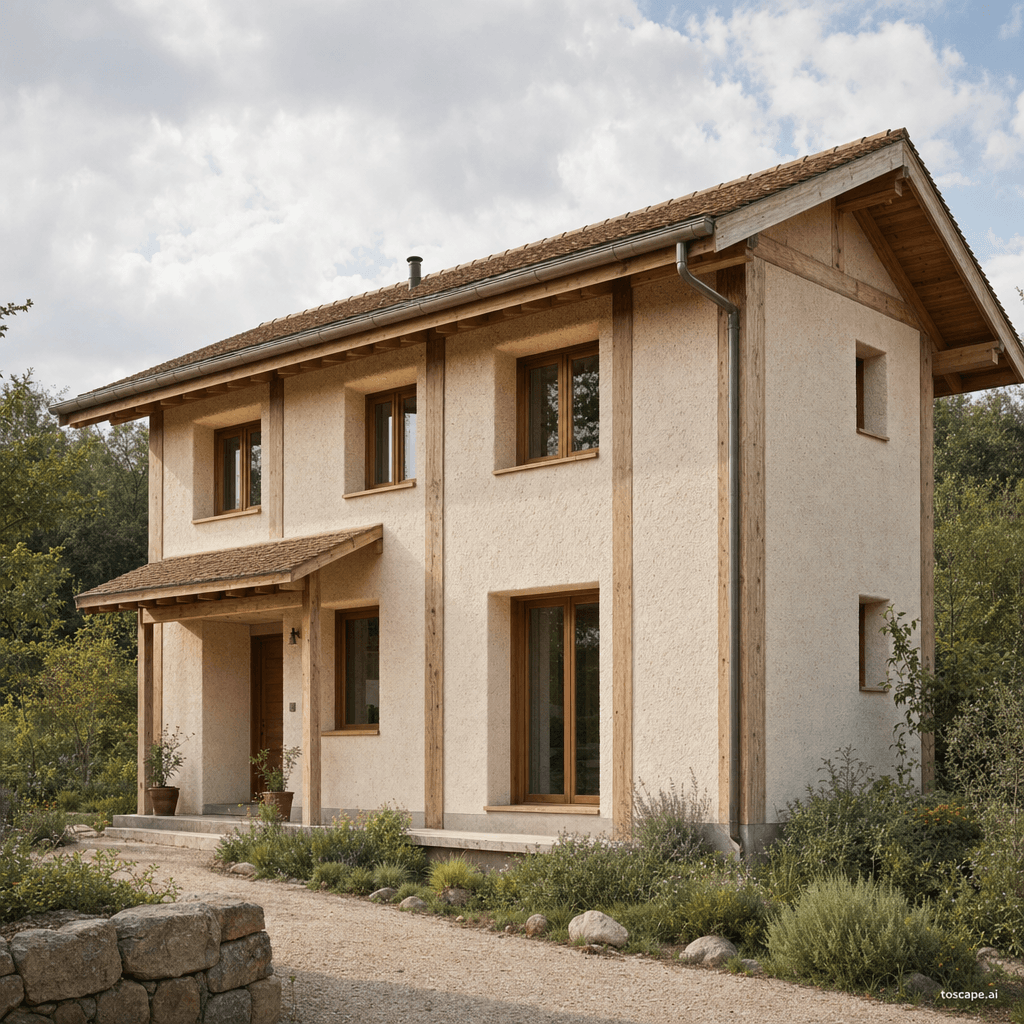
HEMPCRETE / BIO-COMPOSITE ARCHITECTURE
France (1980s), UK/EU (2000s-present), North America (2010s-present); Core identity:... / Sustainable performance
Hemp hurds (the woody core of hemp stalks) mixed with lime binder - cast or sprayed into formwork - monolithic wall 250-400 mm thick - warm off-white to pale tan color - visible texture of hemp particles in the wall surface - carbon-negative (hemp sequesters CO₂ during growth)...
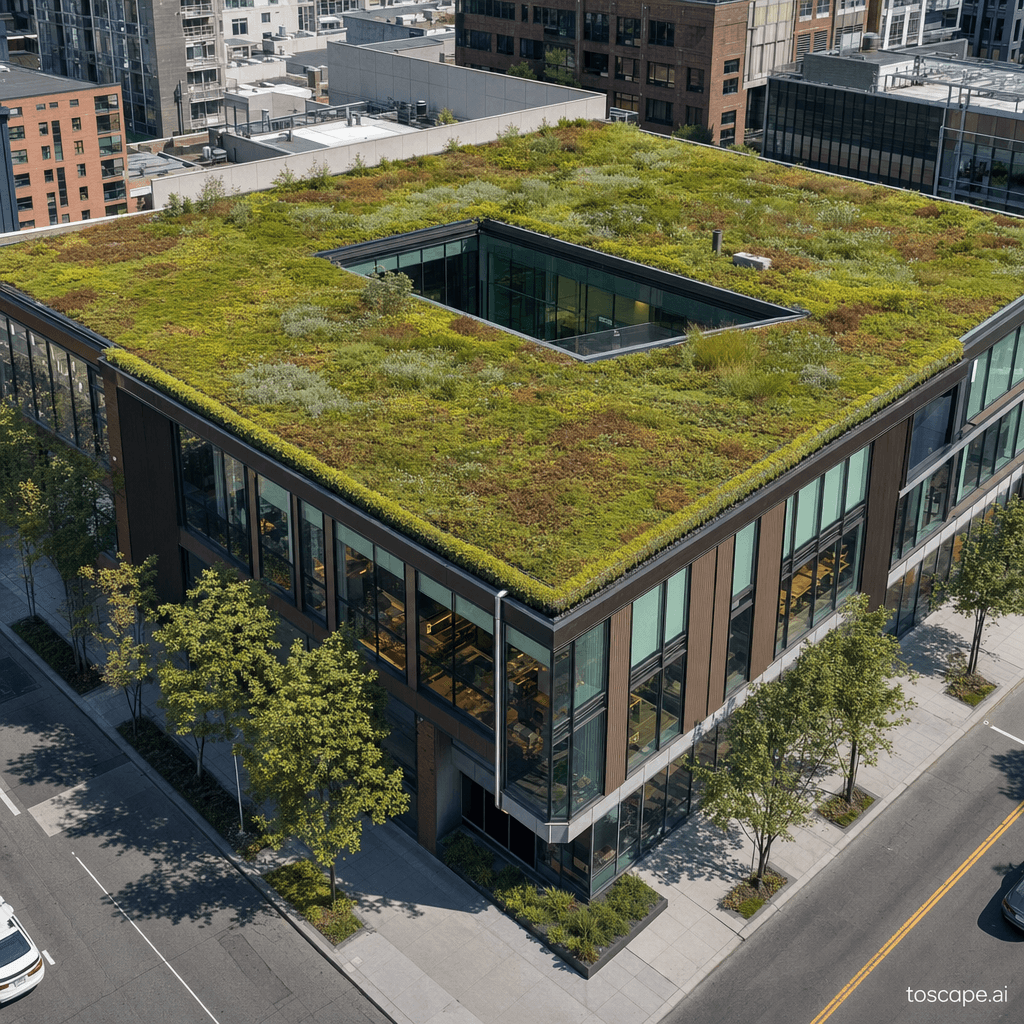
LIVING ROOF / GREEN ROOF ARCHITECTURE
Germany (1970s-present, extensive green roof systems), global; Core identity: The roof... / Sustainable performance
The roof as planted landscape - vegetation replaces traditional roofing material as the visible surface - building merges with landscape from above - visible planted roof profile - stormwater absorbed and filtered by the roof - urban heat island mitigation - biodiversity...
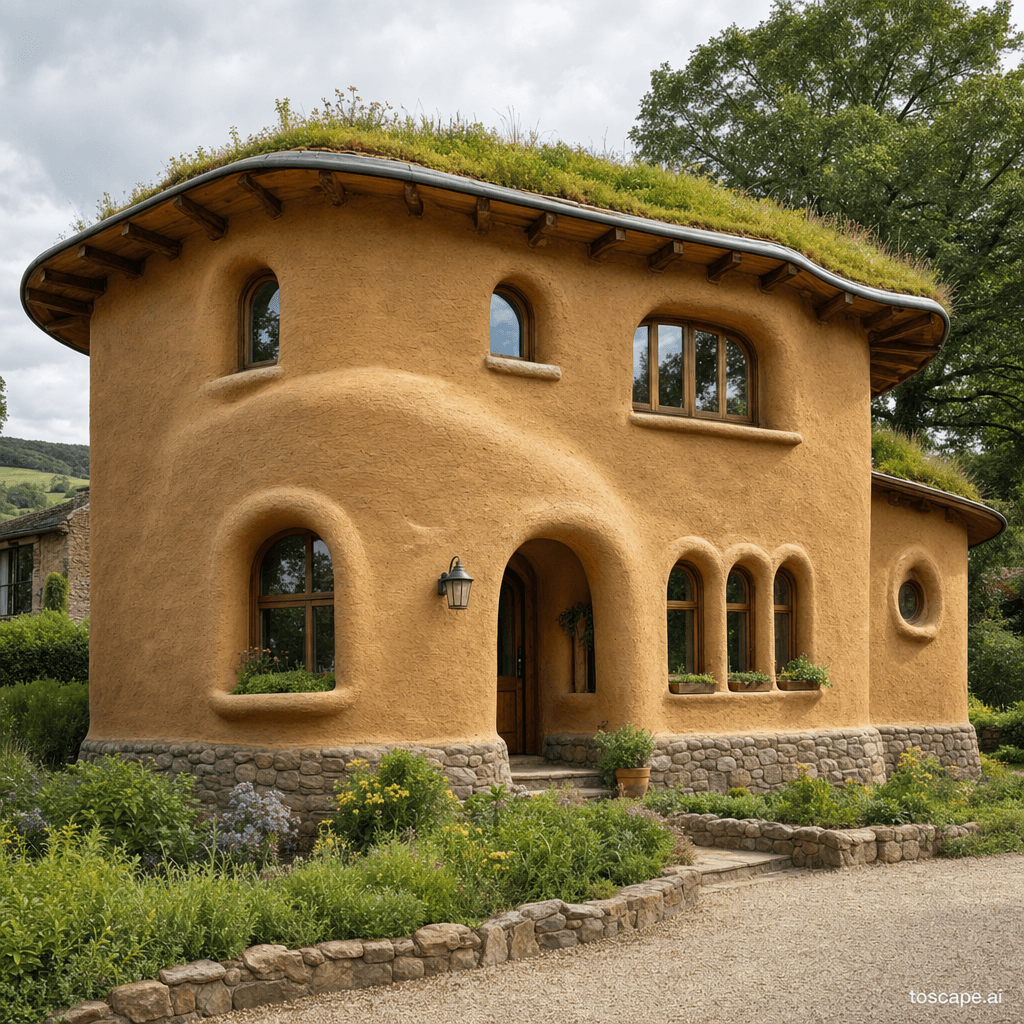
MODERN COB / CONTEMPORARY EARTH CONSTRUCTION
United Kingdom / Global revival (1990s-present); Core identity: Monolithic hand-built... / Sustainable performance
Monolithic hand-built earth walls - sculptural organic forms - no formwork (distinction from rammed earth) - thick thermal mass - lime-stabilized mixes - curved openings and niches - deep window reveals - living roof integration
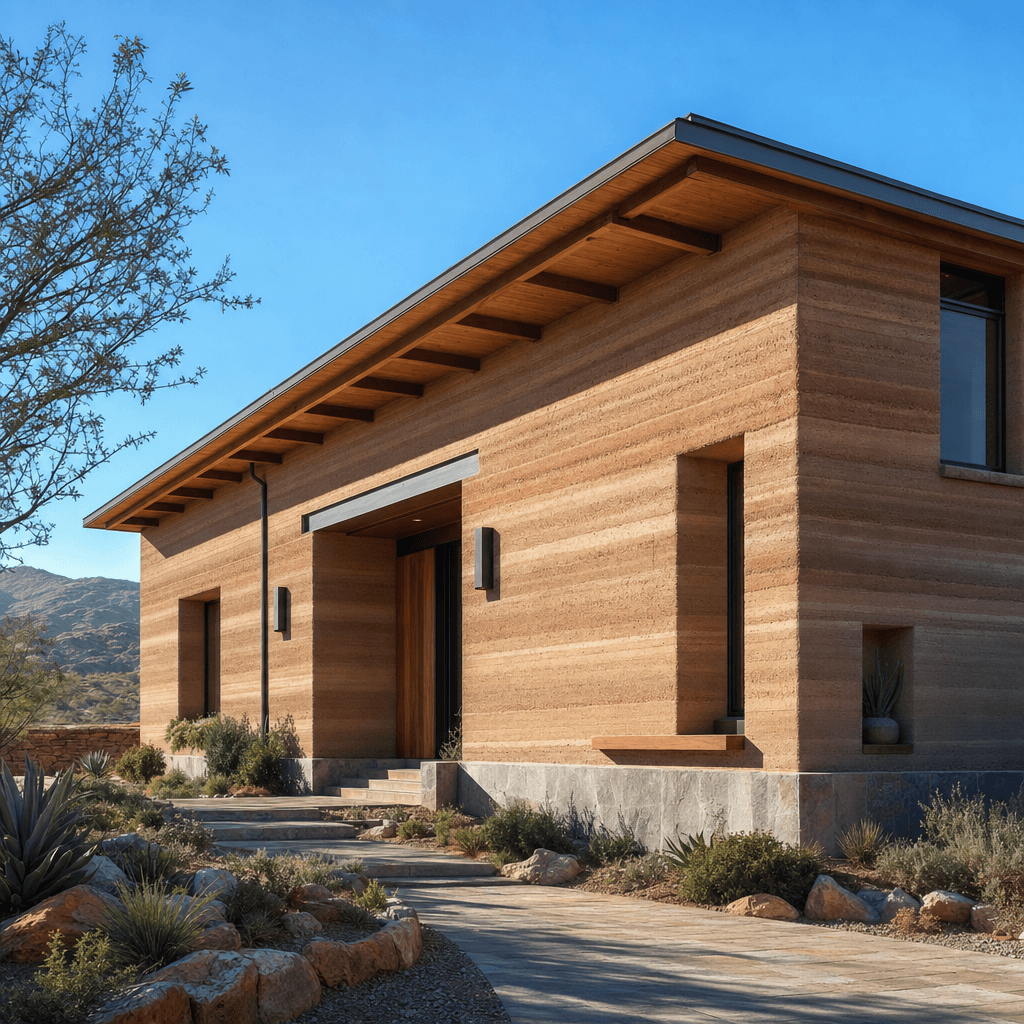
Rammed Earth / Earth Architecture
Global - practiced on every inhabited continent for millennia. / Sustainable performance
Thick monolithic earthen walls, deeply carved openings, stratified rammed earth, and tactile mineral mass. Elemental, grounded, and tectonically honest.
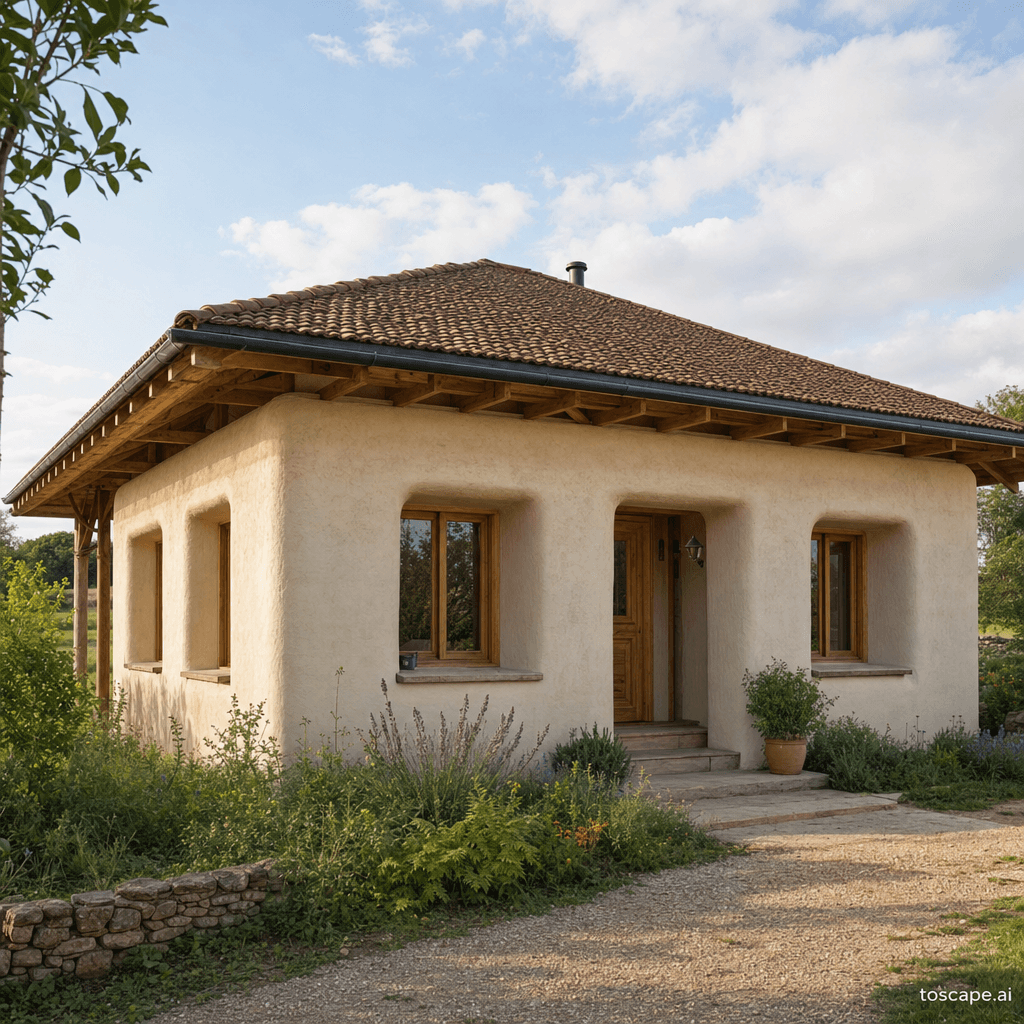
STRAW BALE CONSTRUCTION
Nebraska, USA (late 19th C.), global revival (1980s-present); Core identity: Straw bales... / Sustainable performance
Straw bales as wall material - thick walls (450-600 mm) with deep window reveals - visible plaster finish (lime or earth) - rounded corners at openings - the bale module expressed in wall thickness - straw as agricultural waste upcycled - exceptional insulation (R-30 to R-40) -...
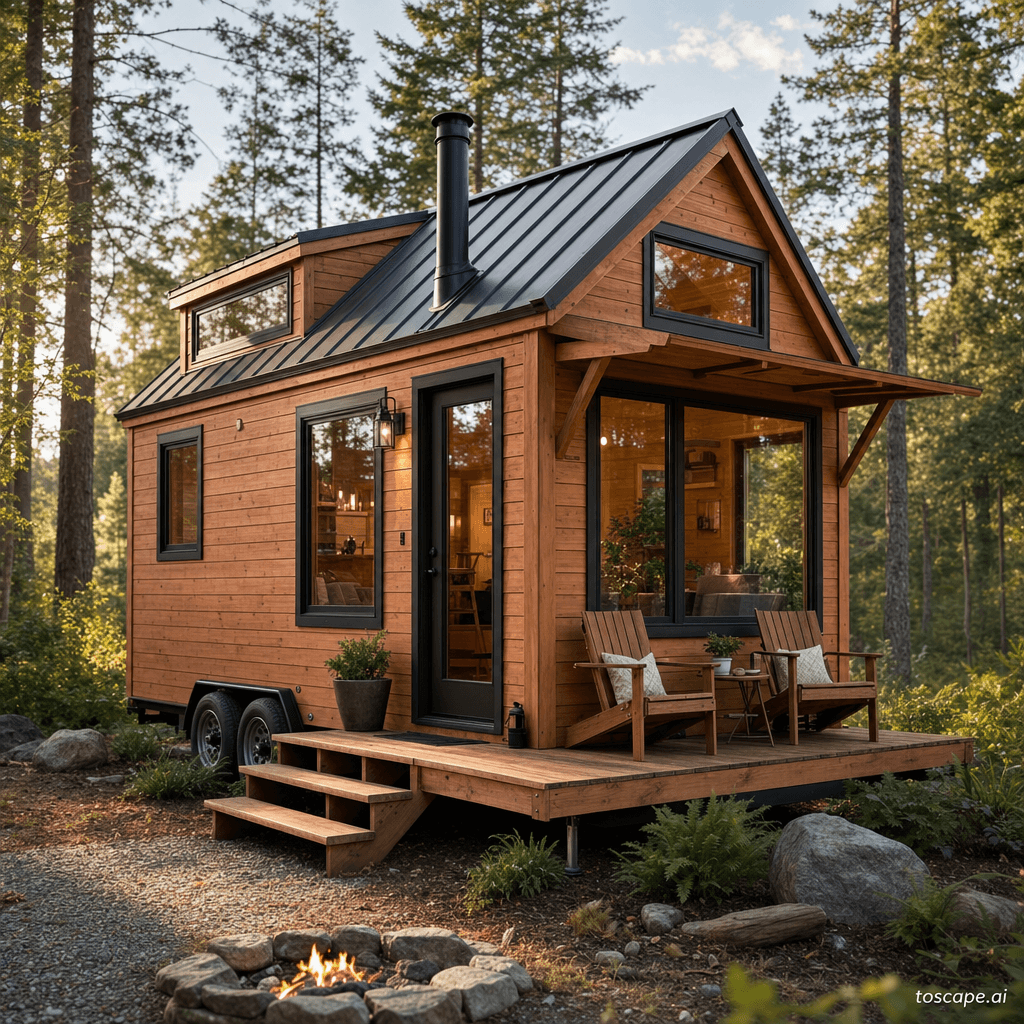
TINY HOUSE MOVEMENT / MICRO-ARCHITECTURE
United States (1990s-present, accelerating post-2008); Core identity: Dwelling under 400... / Sustainable performance
Dwelling under 400 sq ft (37 sq m) - space efficiency as architectural philosophy - multifunctional transformable furniture and built-ins - loft sleeping areas accessed by ladder or alternating-tread stairs - tiny wood stove or mini-split for climate - connection to outdoors...
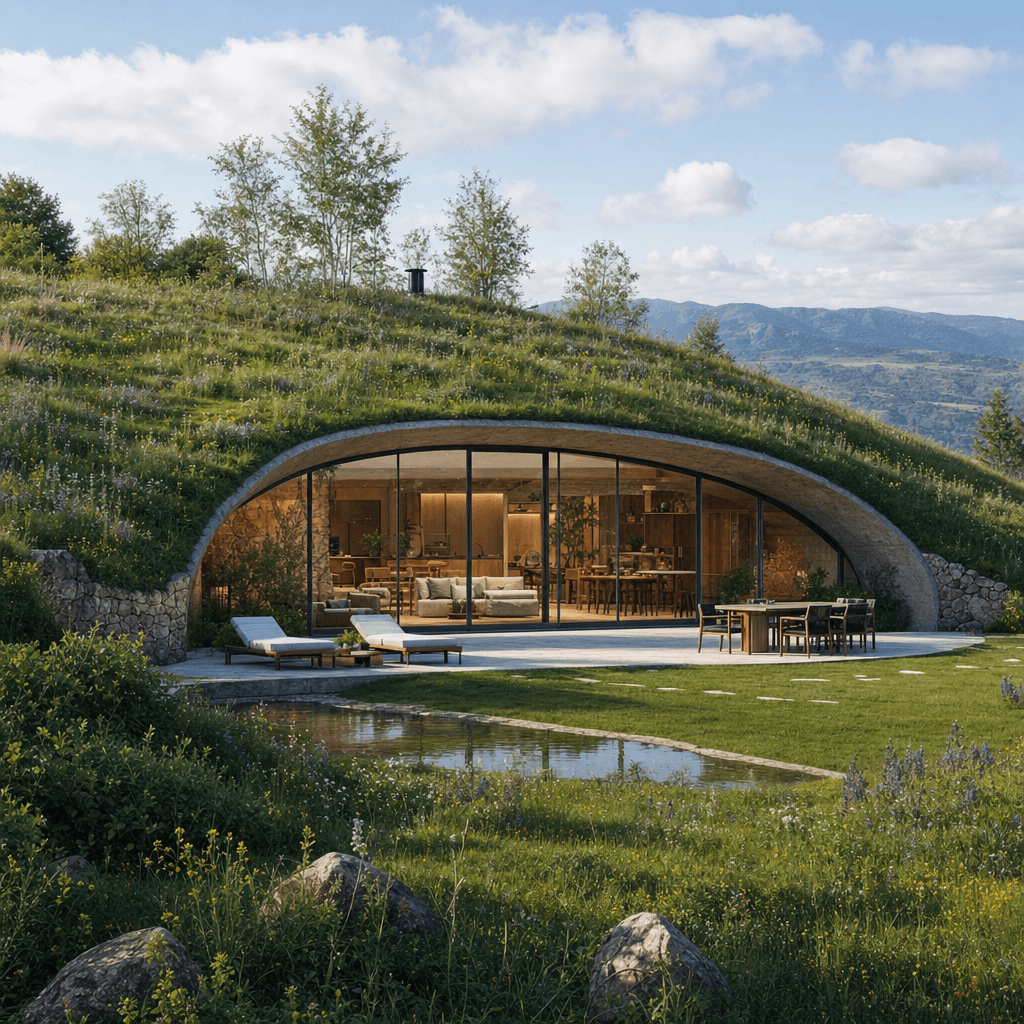
UNDERGROUND / EARTH-SHELTERED ARCHITECTURE
Global (vernacular: China, Tunisia, Iceland; contemporary: USA, Australia, 1970s-present)... / Sustainable performance
Building partially or fully buried - earth-covered roof as landscape - south-facing glazed elevation (north in southern hemisphere) for daylight and solar gain - the roof IS the ground plane - thermal stability from earth mass (constant ~10-15°C) - architecture that disappears...
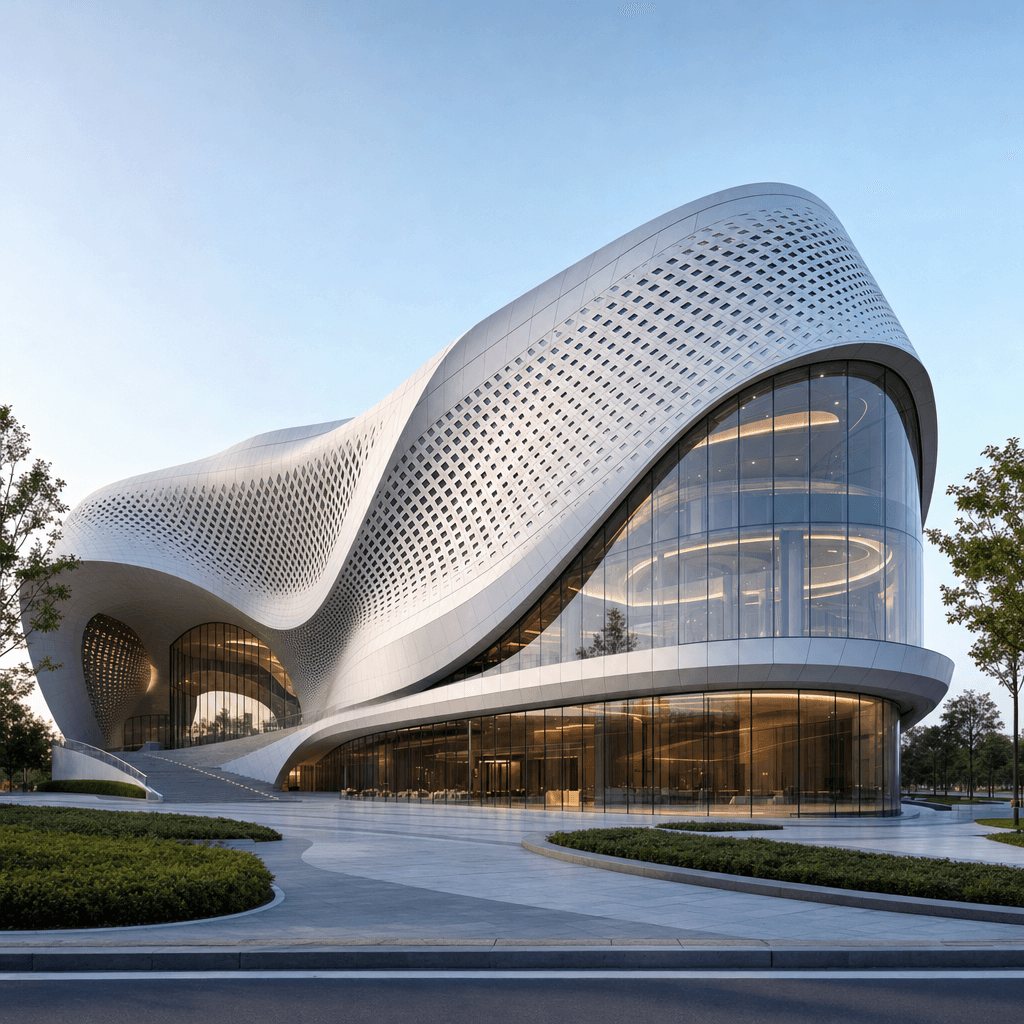
Parametric
Global - not tied to any region, culture, or climate. / Digital and technology
Rule-driven geometry, continuous surfaces, panel families, gradients, and visibly computational facade control. Fluid, systematic, and computationally articulate.
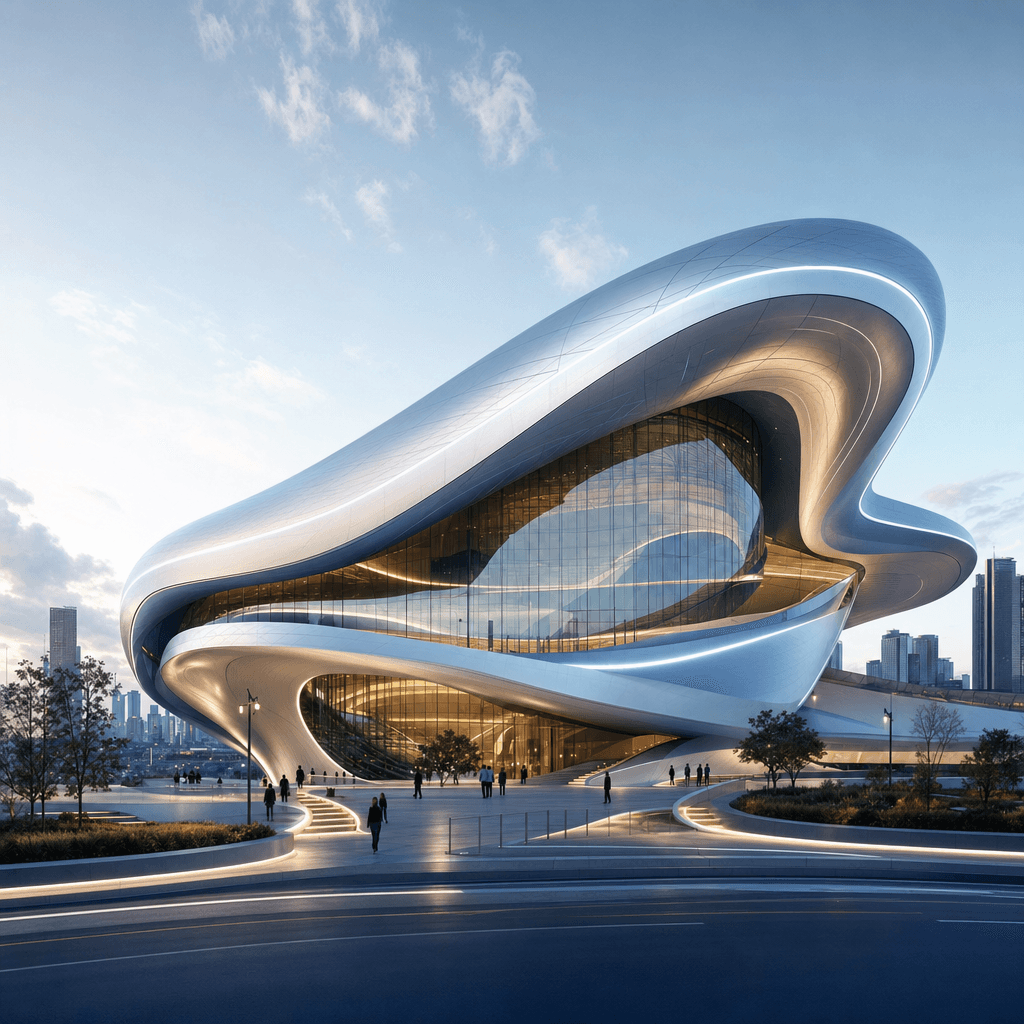
Neo Futurism
Global - Neo Futurism has no single geographic origin. / Digital and technology
Dramatic sweeping silhouette, expressive long-span structure, premium iconic massing, and forward-looking engineering. Iconic, expressive, and technologically spectacular.
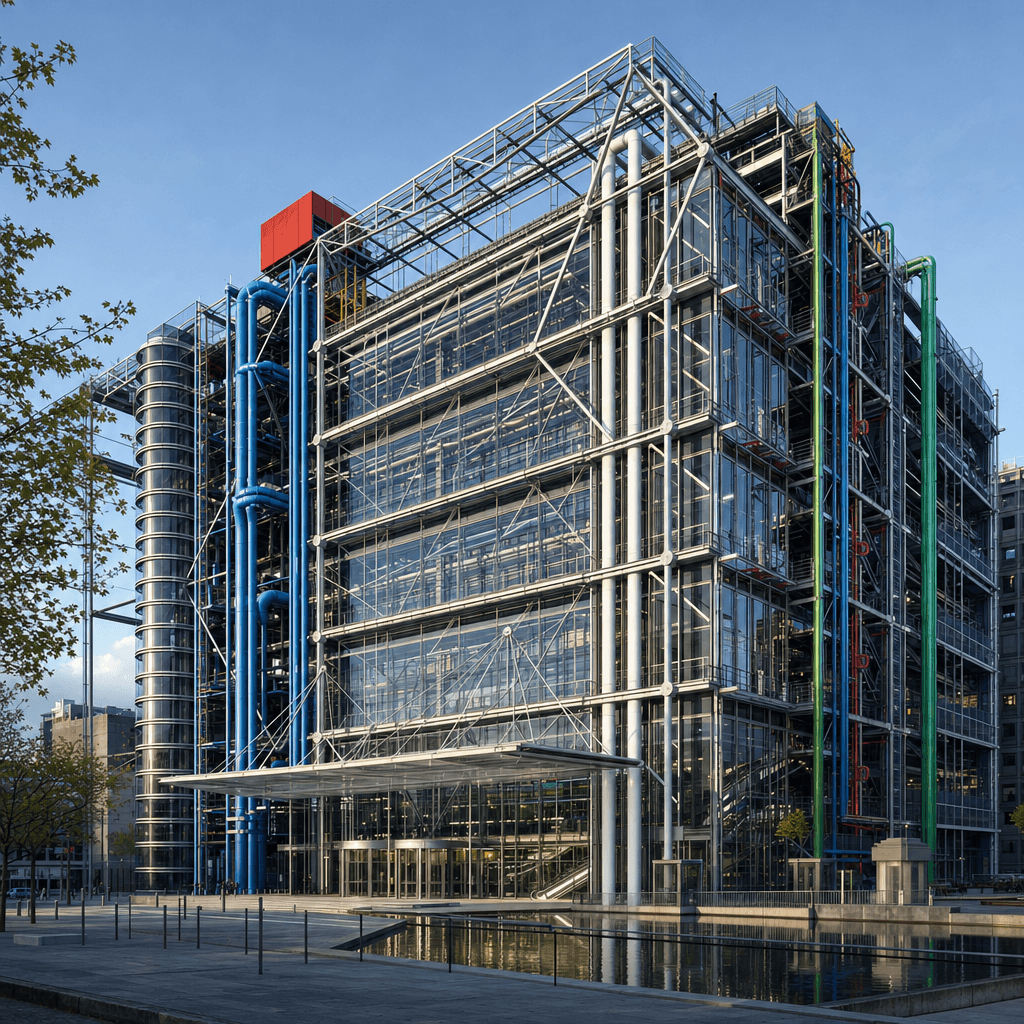
High Tech
Originated in Britain in the 1970s with architects Norman Foster, Richard Rogers,... / Digital and technology
Exposed structure, curtain wall systems, visible service bands, modular joints, and legible technical assemblies. Technical, transparent, and systematically legible.
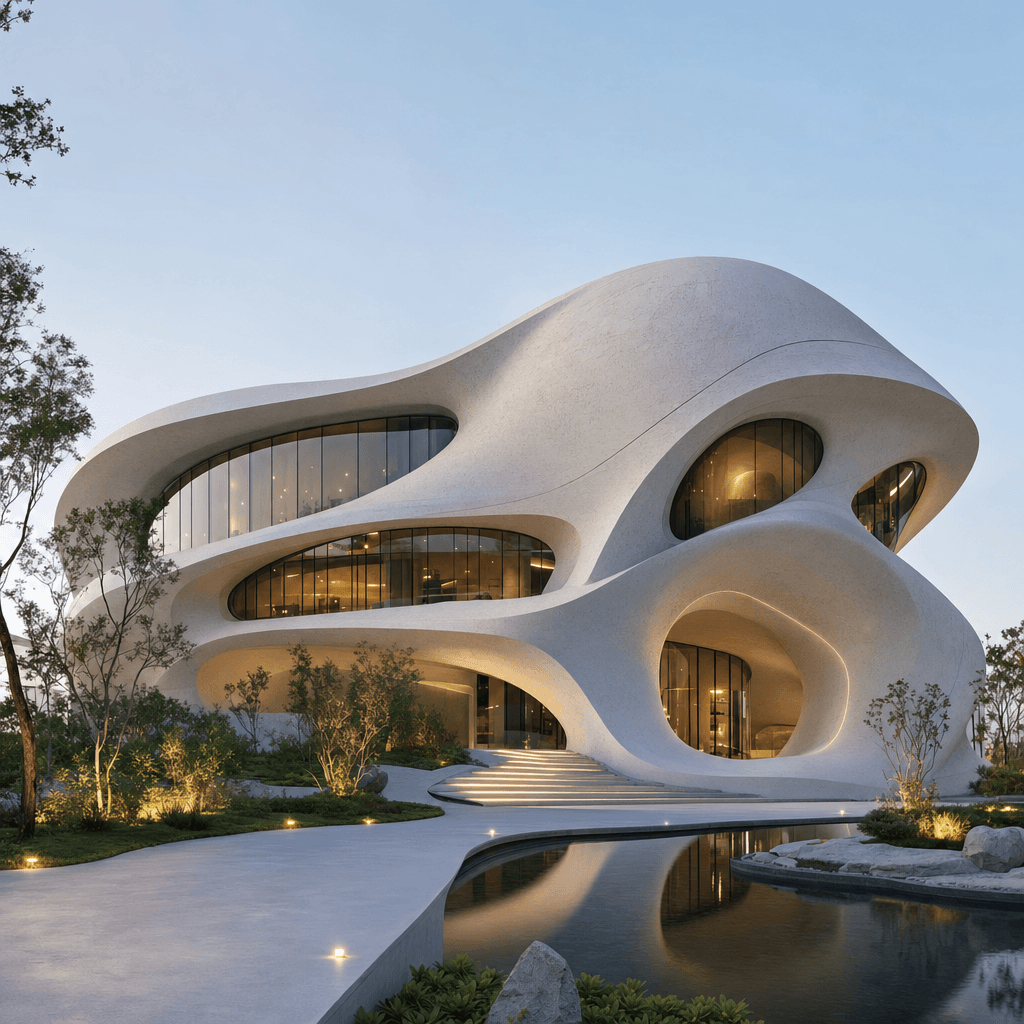
Organic Digital
Global - Organic Digital architecture emerged in the 2000s-2010s at the intersection of... / Digital and technology
Biomorphic shell-like forms, carved voids, soft ridges, and integrated quiet structure. Fluid, calm, and biologically inspired.
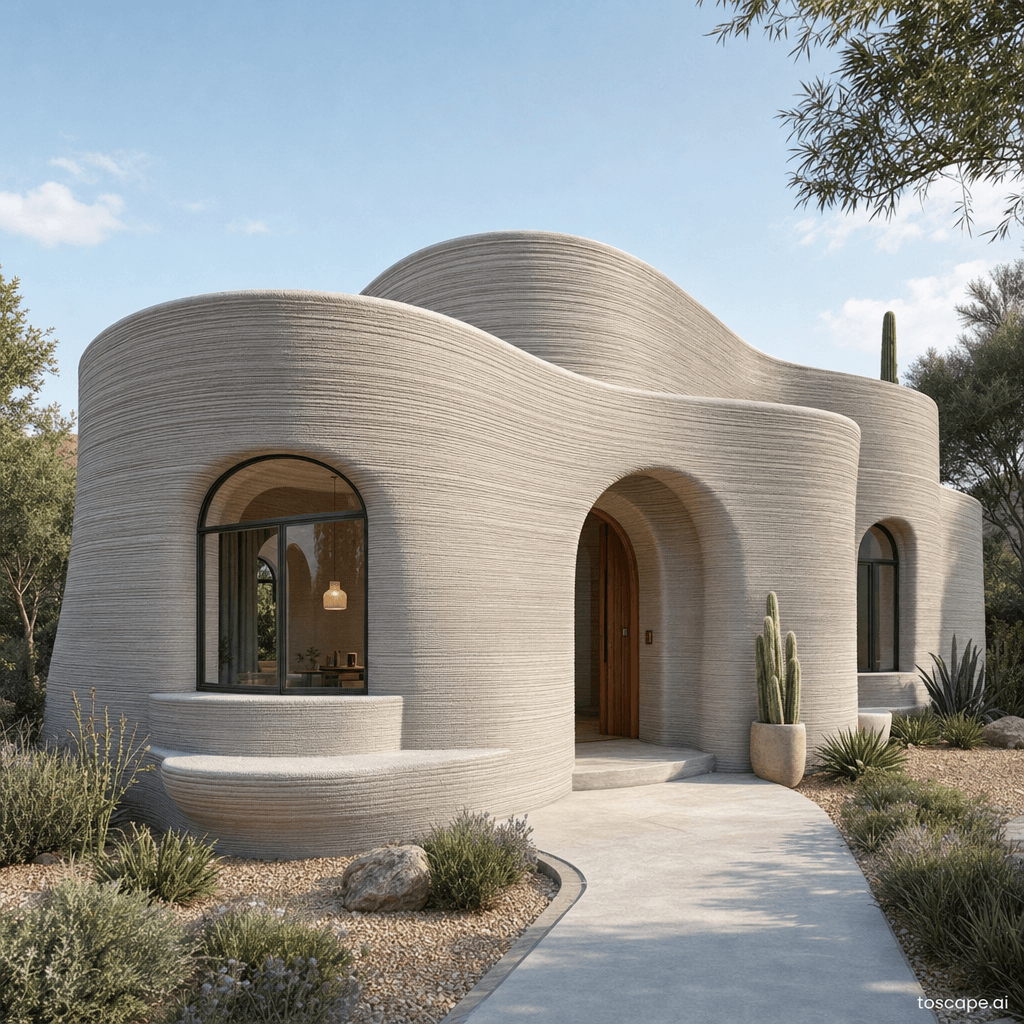
3D PRINTED ARCHITECTURE / ADDITIVE CONSTRUCTION
Global (WASP/Italy, Apis Cor/Russia-USA, ETH Zurich, ICON/Texas, 2010s-present); Core... / Digital and technology
Walls printed layer by layer through robotic extrusion - visible horizontal layer lines as primary surface texture - curved and organic forms impossible with conventional construction - material economy through optimized geometry - concrete, clay, or earth-based printing mixes...
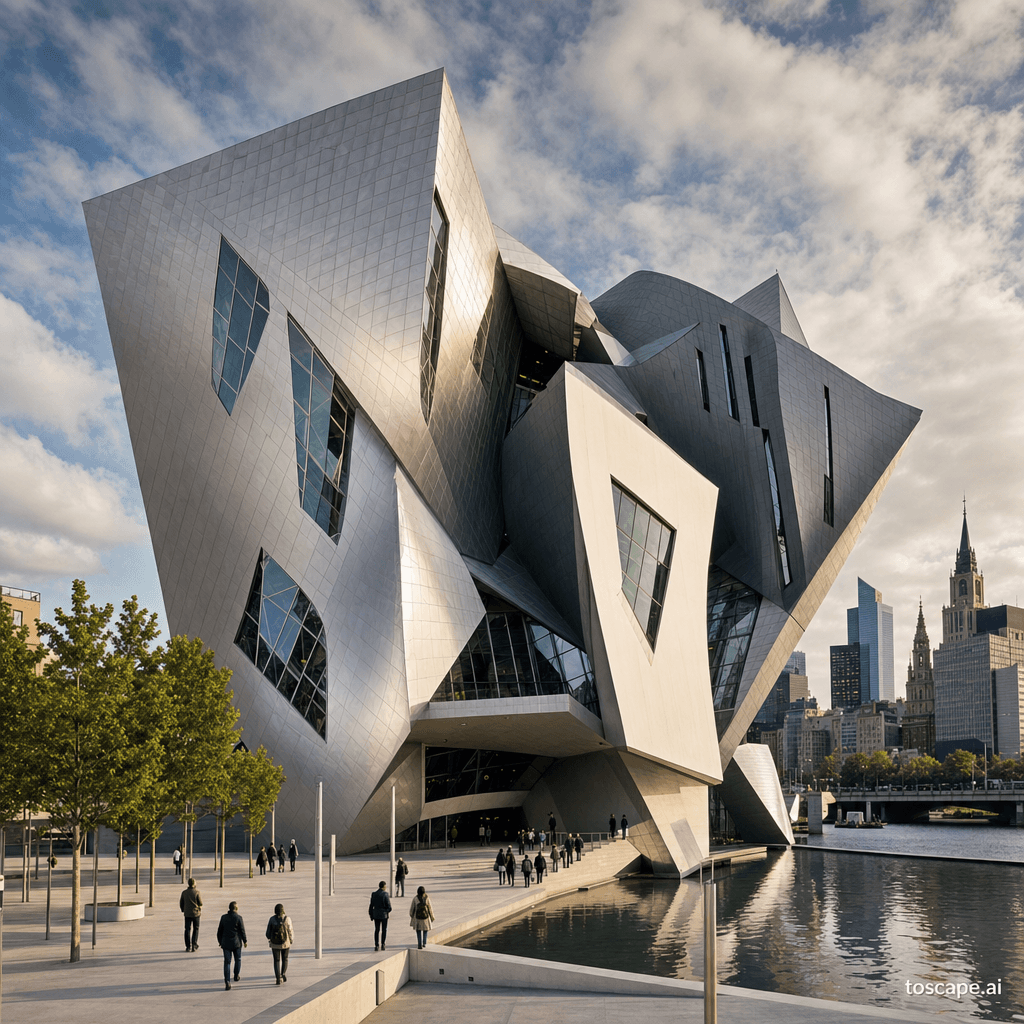
DECONSTRUCTIVISM
United States / Western Europe (MoMA exhibition 1988) / Digital and technology
Fragmented volumes colliding at non-orthogonal angles - tilted planes and skewed grids - surfaces folding and shearing - no single organizing axis - structure expressed as disrupted rather than resolved - material skins wrapping complex geometry - architecture as critical,...
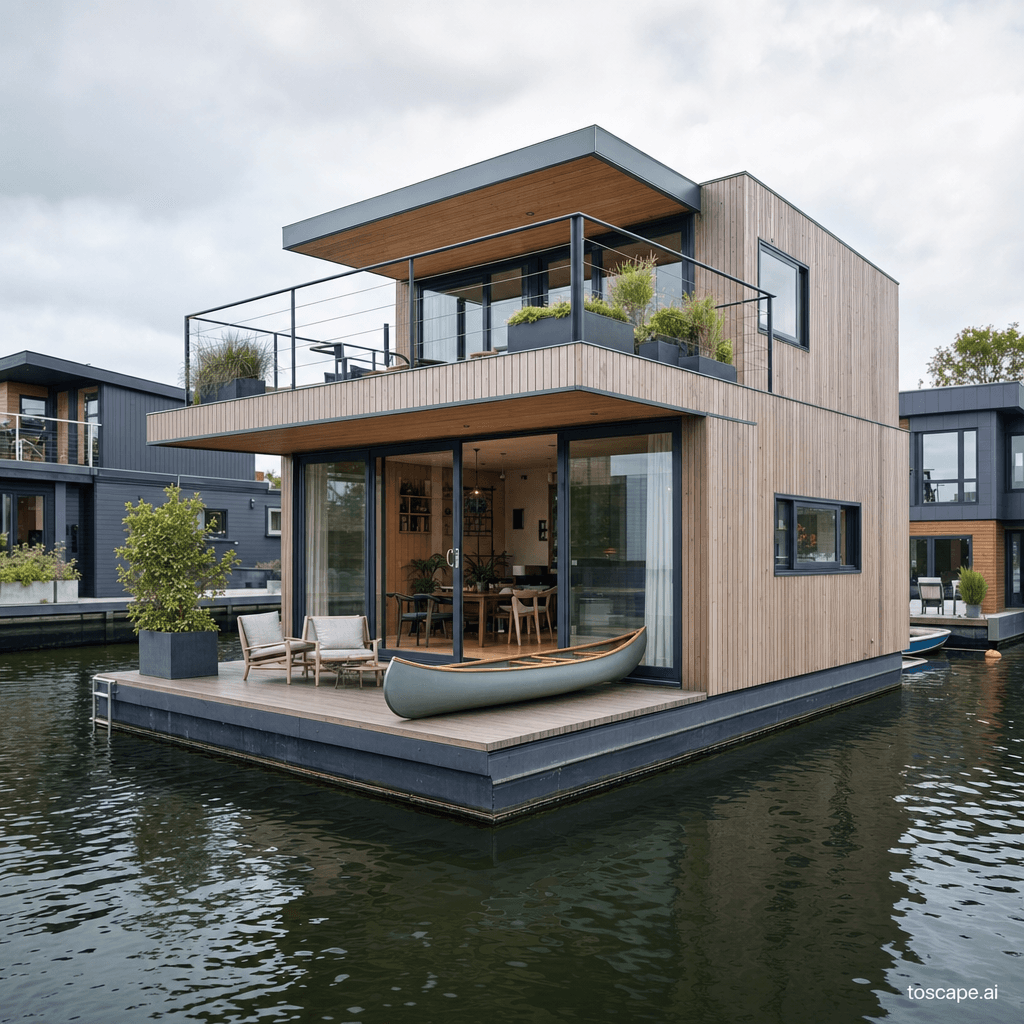
FLOATING ARCHITECTURE / AQUATECTURE
Netherlands (Waterstudio.NL, 2000s), global (Thailand, Bangladesh, Maldives, Nigeria);... / Digital and technology
Buildings that float on water - pontoon or concrete-hull foundations - amphibious houses that rise with floodwater - stilt houses raised above tidal/seasonal water levels - water as site, not obstacle - buoyancy as structural logic - connection to marine/riparian ecosystem -...
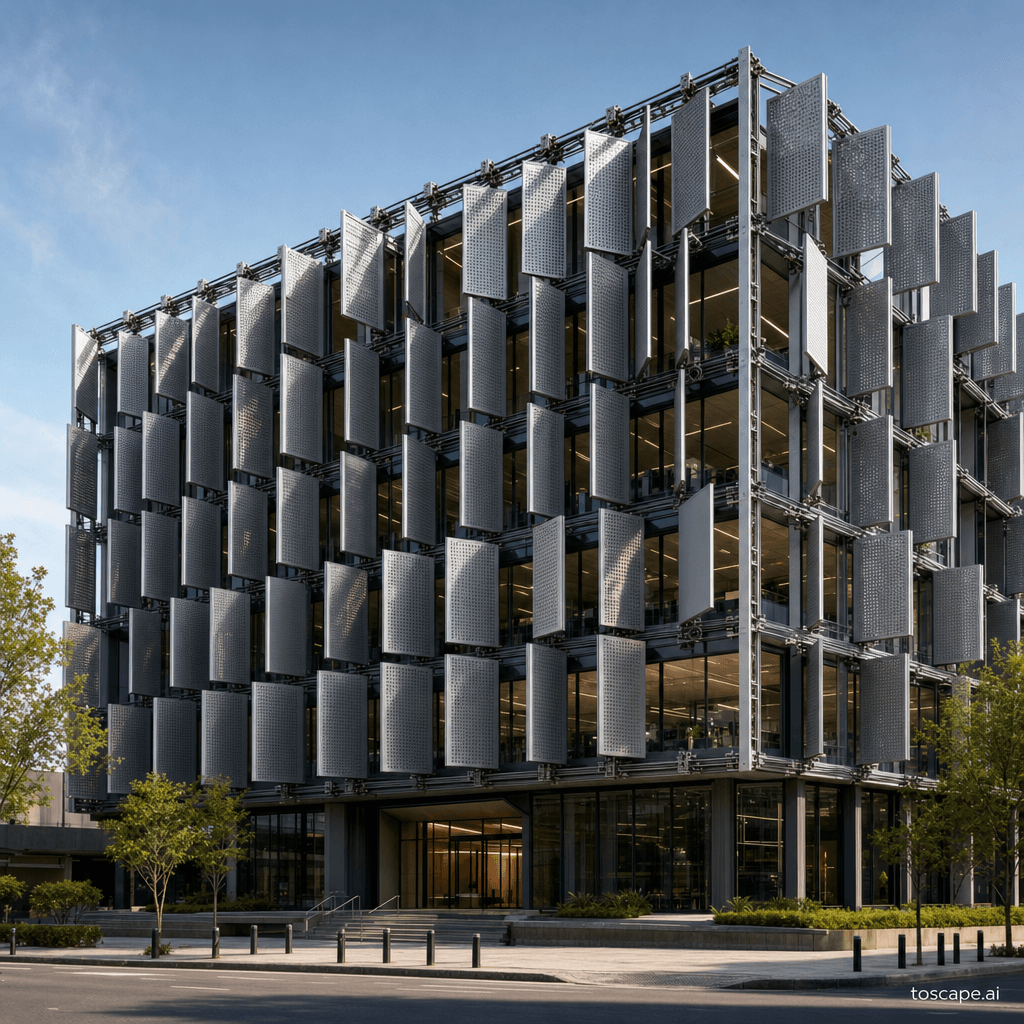
KINETIC ARCHITECTURE
Global (Calatrava, Jean Nouvel, Ned Kahn, 1990s-present); Core identity: Building... / Digital and technology
Building elements that physically move - operable facade panels and shutters that transform throughout the day - retractable roofs and walls - rotating, sliding, or folding architectural surfaces - the building changes its appearance and performance - movement as architectural...
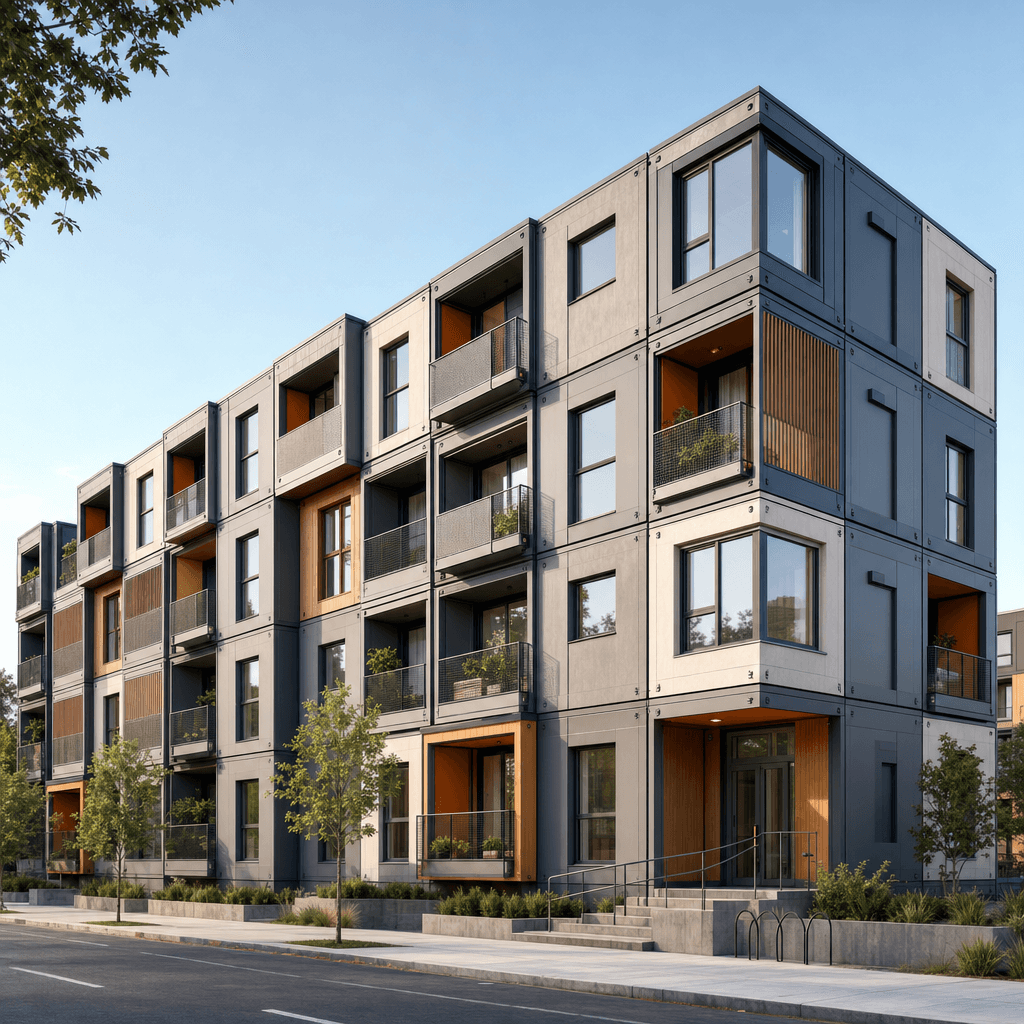
Modular / Prefab
Global - modular and prefabricated construction has roots in early 20th-century industria... / Digital and technology
Stacked linked units, repeated module logic, prefabricated clarity, and efficient compositional variation. Systematic, efficient, and compositionally articulate.
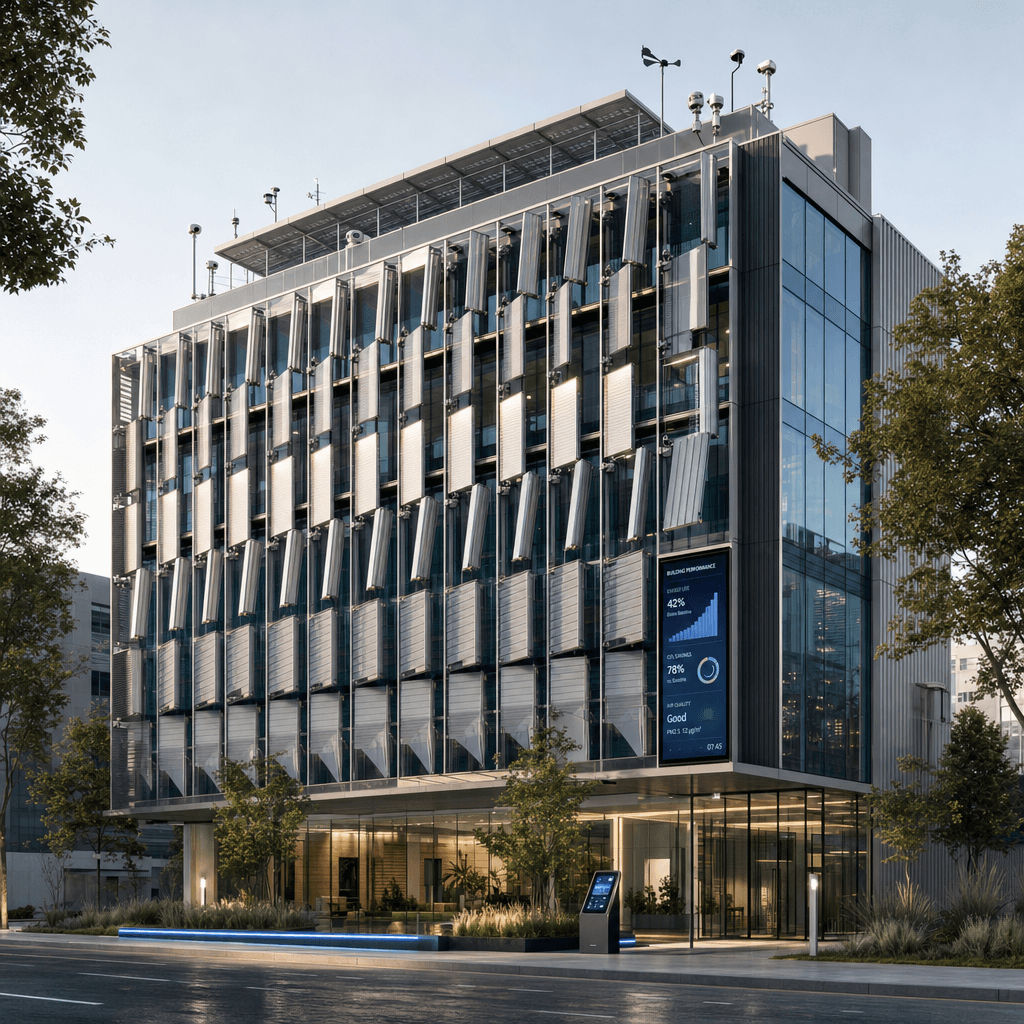
Smart Interactive Architecture
Global - Smart Interactive Architecture has no geographic origin. / Digital and technology
Responsive skins, kinetic louvers, smart glass, adaptive shading, and buildable interactive facade systems. Dynamic, responsive, and technologically alive.
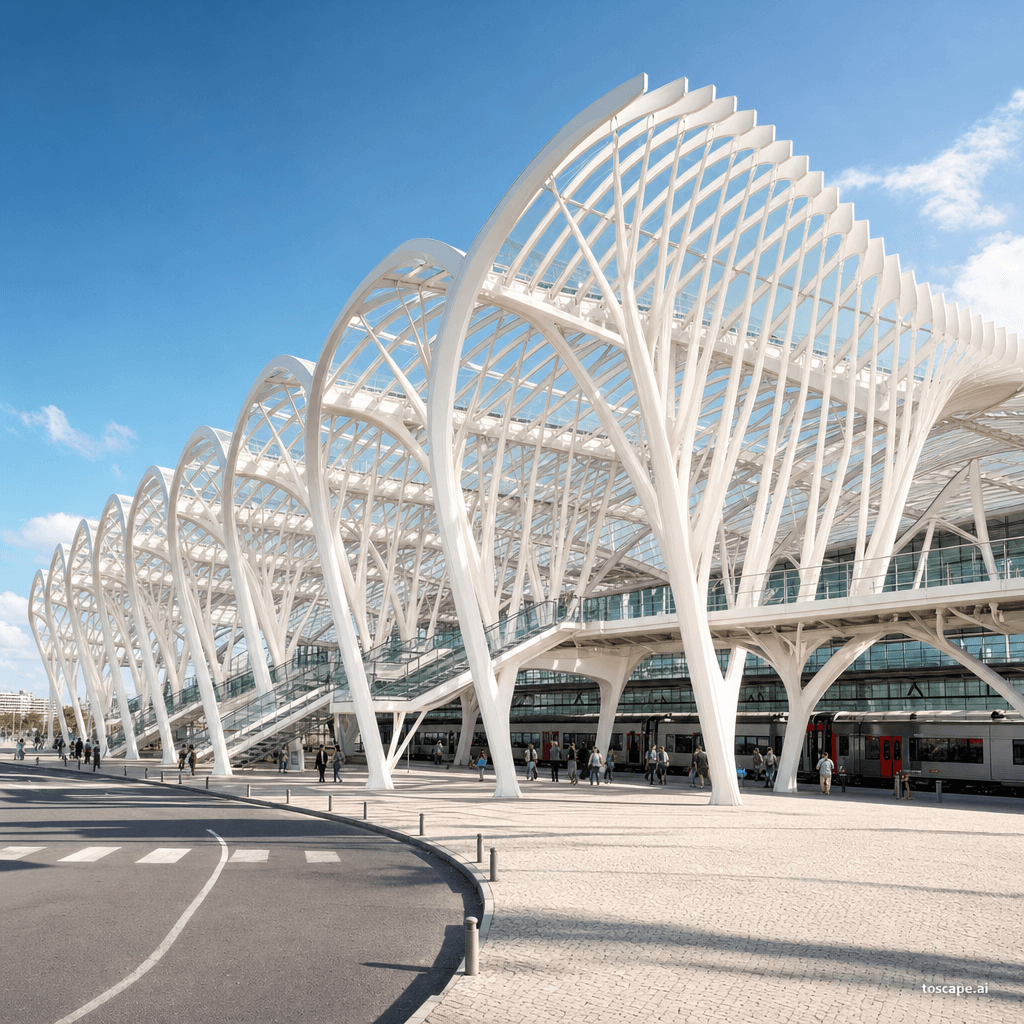
STRUCTURAL EXPRESSIONISM / NEO-EXPRESSIONISM
Global (Calatrava/Spain, Foster/UK, Utzon/Denmark, Nervi/Italy); Core identity: Structure... / Digital and technology
Structure IS the architecture - exposed skeletal frame and load paths celebrated as visual content - dramatic long-span forms - white or light-toned structural members (steel, concrete) - building as a constructed organism with bones, ribs, and spine - engineering as the...
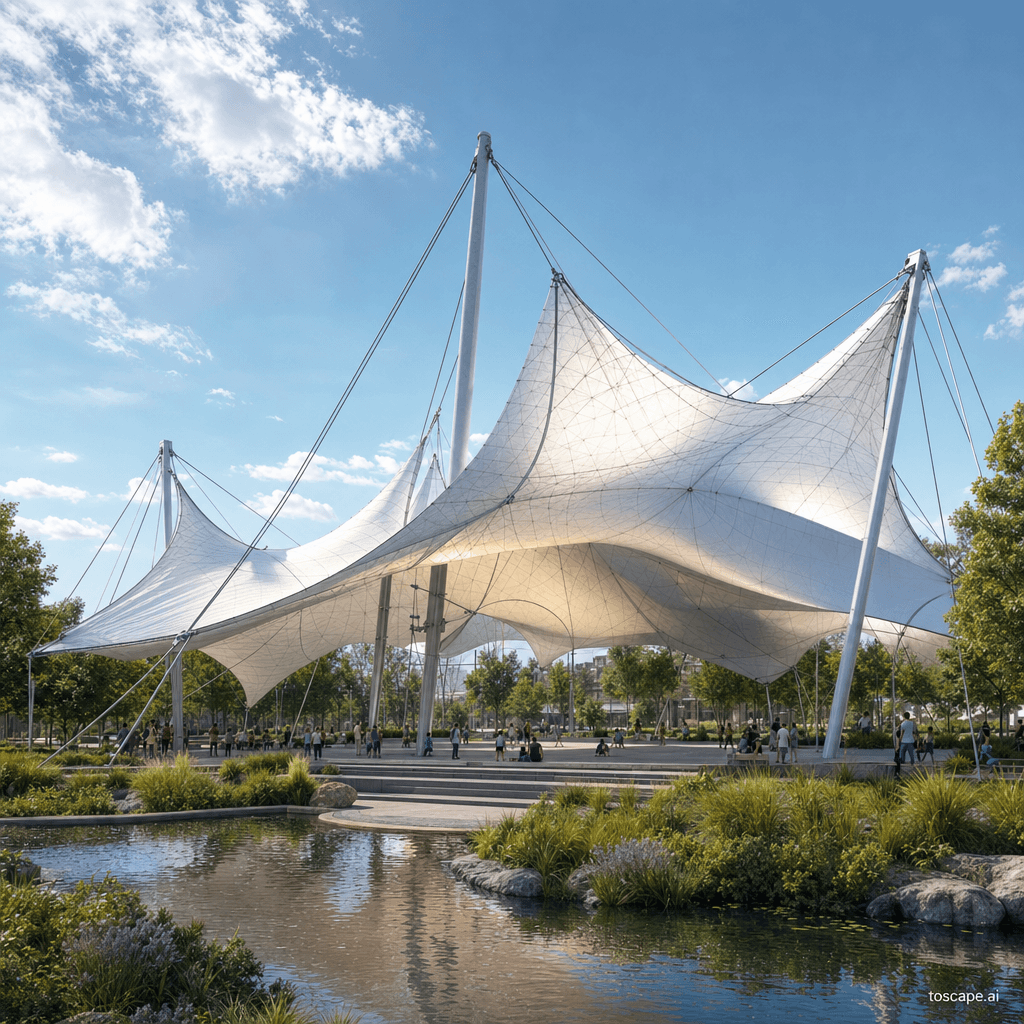
TENSILE / LIGHTWEIGHT MEMBRANE ARCHITECTURE
Germany (Frei Otto, 1950s-70s), global (Horst Berger, Buro Happold); Core identity: Form... / Digital and technology
Form found through physical forces - tensioned cable nets and fabric membranes - minimal structure achieving maximum span - translucent PTFE/ETFE or PVC-coated polyester membranes - anticlastic curvature (saddle shapes) for stability - lightweight, demountable,...
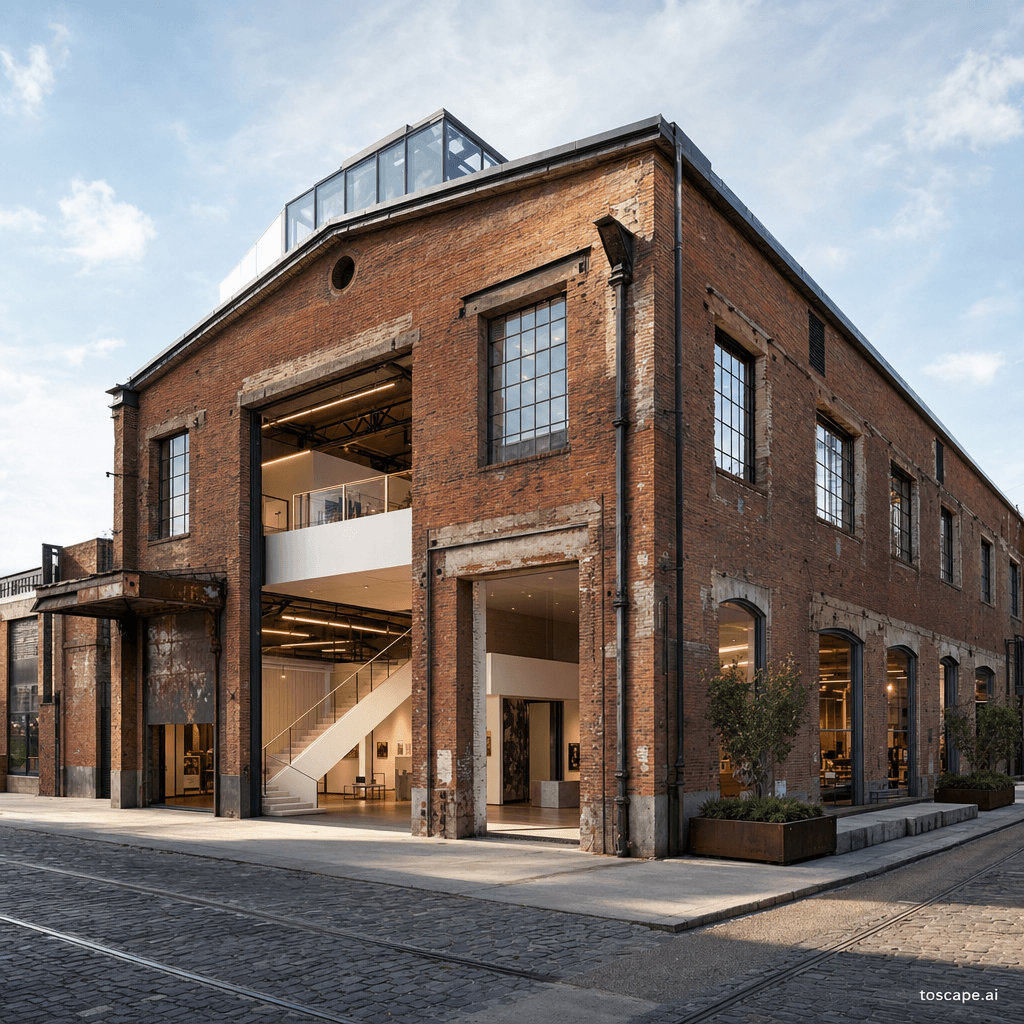
ADAPTIVE REUSE / INDUSTRIAL HERITAGE CONVERSION
Global (1960s-present, accelerating 1990s); Core identity: Existing industrial/warehouse/... / Transformation and reuse
Existing industrial/warehouse/religious/infrastructure structure retained as primary architectural content - new insertions contrast with old fabric - raw original materials (brick, steel, concrete, timber) left exposed - new interventions clearly legible as contemporary -...
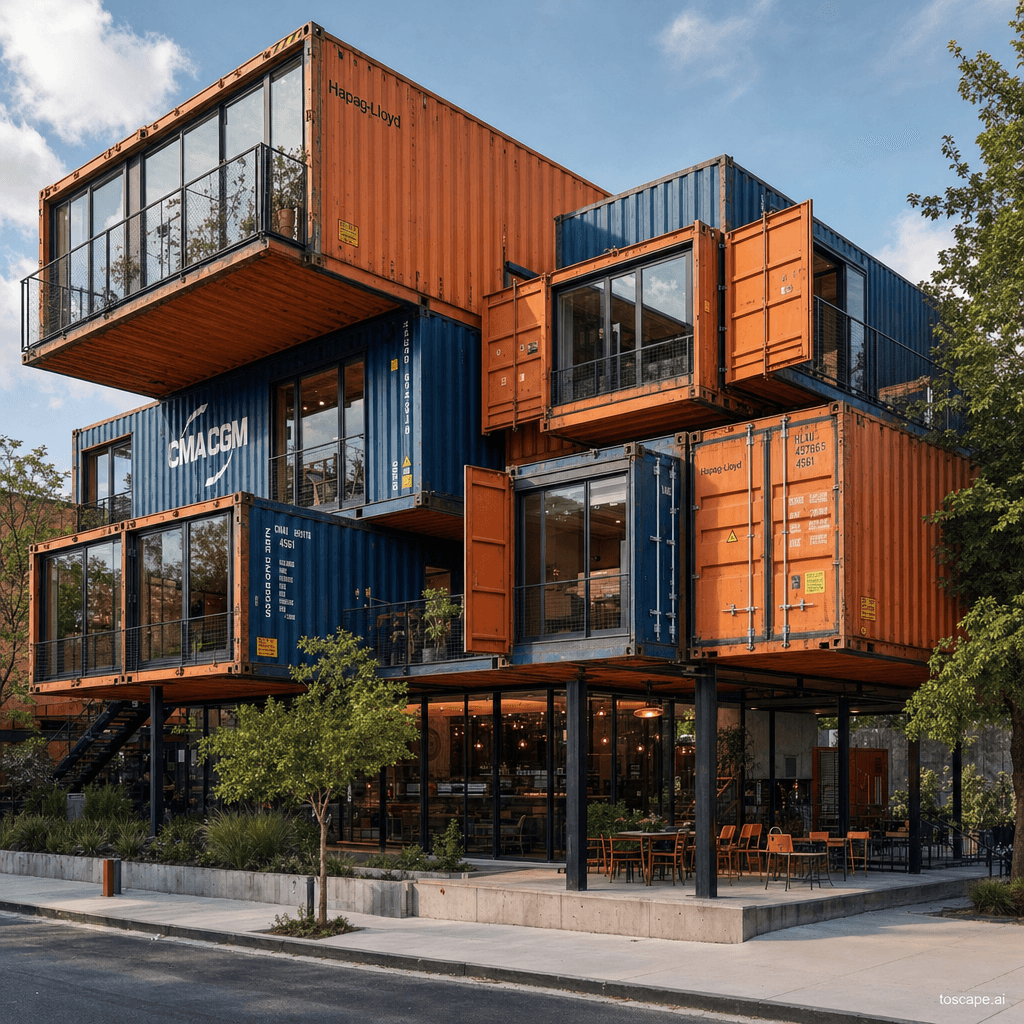
SHIPPING CONTAINER ARCHITECTURE
Global (1980s-present, accelerating 2000s); Core identity: ISO shipping containers as... / Transformation and reuse
ISO shipping containers as primary building module - corrugated Corten steel walls - industrial colors (orange, blue, grey, rust) - stacked, cantilevered, and offset arrangements - visible container markings and numbers - doors retained as architectural feature - rapid assembly...
Visualize any style in Toscape
Apply architectural style directions directly inside the desktop app. Use Facade Re-Style, Interior Design, and Design Options workflows to explore style alternatives for your active projects.